


ENDO 2026 Sugar-Free Diet Study: The Complexities of Complete Elimination


The medical community gathered in Chicago this weekend for a rigorous exchange of data. The halls of the Endocrine Society’s annual meeting buzzed with conversations about the new ENDO 2026 Sugar-Free Diet Study. Researchers presented a surprising narrative about nutritional extremes. They revealed that completely removing sucrose might not be the panacea modern wellness culture suggests.
Total deprivation comes with a steep physiological cost.
The Dasman Diabetes Institute in Kuwait conducted a fascinating 16-week scientific trial. Scientists examined mice fed a low-fat diet completely devoid of sucrose. They compared these subjects against a control group consuming a low-fat diet that included standard table sugar. Both groups maintained identical body weights and caloric intakes throughout the observation period. The metabolic results defied conventional dietary logic entirely.
Dr. Rasheed Ahmad led the meticulous investigation. He serves as the principal scientist of the Immunology and Microbiology Department. His team monitored glucose tolerance and insulin sensitivity daily.
The sugar-free subjects developed severe metabolic complications.

Mice deprived of sucrose exhibited alarming health markers by the end of the trial. They suffered from impaired glucose control and pronounced insulin resistance. Their gut microbiomes displayed significant pathogenic imbalances. Researchers noted a sharp decline in beneficial bacteria like Lactobacillus murinus. This depletion was accompanied by marked intestinal inflammation and early signs of fatty liver disease.
The findings challenge the bedrock of modern diet culture. Eliminating a single ingredient does not automatically guarantee superior health outcomes. The biological ecosystem is incredibly delicate.
Balance supersedes restriction in the metabolic hierarchy.
Medical professionals are analyzing the data with measured caution today. Dr. Mir Ali is a bariatric surgeon who reviewed the preliminary findings. He expressed surprise at the negative outcomes associated with carbohydrate restriction. He maintains that reducing added sugars remains a highly effective weight loss strategy for humans. The key distinction lies in targeted reduction rather than absolute eradication.
Dr. Nneoma Oparaji offered a complementary perspective on the research. She specializes in lifestyle and obesity medicine. She emphasized that gut bacteria regulate glucose metabolism and systemic inflammation constantly.

The average American consumes roughly 17 teaspoons of added sugar daily. This volume vastly exceeds the American Heart Association guidelines. Men should limit intake to nine teaspoons. Women should consume no more than six. Chronic overconsumption drives obesity and cardiovascular disease. Yet this new research suggests the opposite extreme poses its own unique set of hidden gastrointestinal hazards.
Nutrition demands a nuanced approach rather than absolute zero.
Sugar naturally exists in whole foods like fruits and dairy. These sources provide essential dietary fiber and antioxidants. The physical body processes natural sugars gradually over several hours. This prevents the sharp insulin spikes associated with highly processed commercial foods.
Future dietary recommendations may shift their focus entirely. Experts might prioritize cultivating a healthy gut microbiome over militant sugar restriction. Preventing metabolic disorders requires a comprehensive view of human digestion. Isolating single nutrients often obscures the larger picture of physiological harmony. The science of eating well is an exercise in elegant moderation.
The era of extreme crash diets is slowly ending.
The Dasman Diabetes Institute operates under the Kuwait Foundation for the Advancement of Sciences. Their mandate involves deepening the global understanding of metabolic disease. This particular study fulfills that scientific mission perfectly.
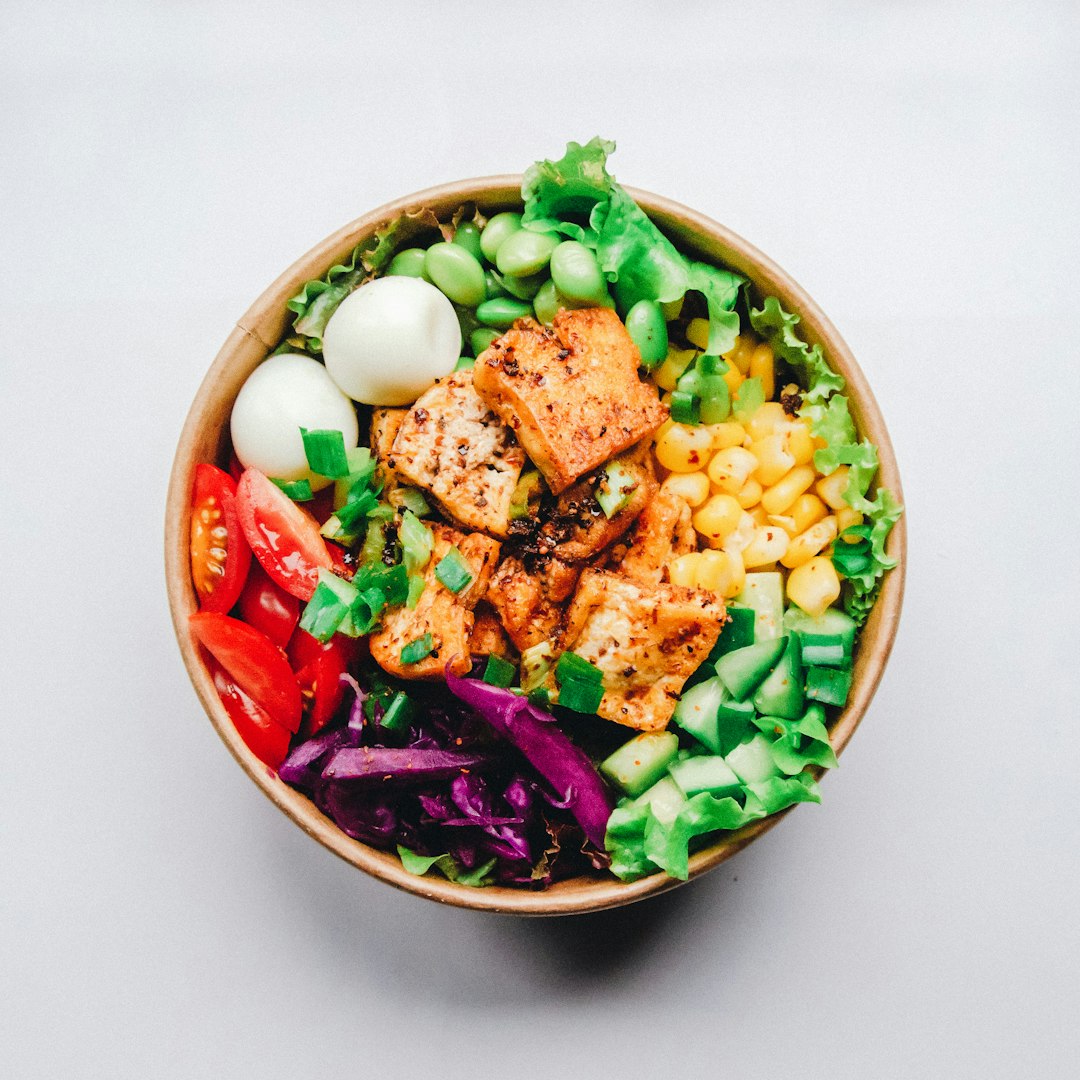
Popular eating plans often demonize carbohydrates completely. The trendy carnivore diet removes nearly all dietary sources of sugar. Followers report rapid weight loss and increased daily energy. This new data suggests these restrictive protocols might inflict silent damage on the digestive tract. The colon requires diverse inputs to maintain a healthy defensive barrier. Complete deprivation starves beneficial microbes.
Starved bacteria cannot regulate the immune system effectively.
Fasting insulin levels dropped significantly in the sugar-free mouse group. Hormones responsible for appetite regulation also fluctuated wildly during the study. The liver showed undeniable signs of inflammatory distress.
Faisal Hamed Al-Refaei serves as the Acting Director General of the institute. He praised the research for advancing evidence-based scientific discoveries. The medical community needs rigorous data to combat rampant nutritional misinformation. Public health outcomes depend on translating complex microbiological interactions into practical advice. Extreme eating is a modern invention.
Humans evolved to process diverse food sources.
We must wait for human trials to confirm these exact metabolic pathways. The foundational takeaway remains crystal clear today. You cannot hack your biology by aggressively crossing items off a grocery list. Optimal physical function requires a symphony of different dietary components.
Processed sweeteners poured into baked goods and sodas remain harmful. They extend shelf life at the cost of human vitality. Consumers should continue to scrutinize nutrition labels carefully. The goal is to avoid the physiological rollercoaster of energy crashes and irritability. True wellness rests in the quiet space between overindulgence and asceticism.
Healthy eating is a consistent pattern of behavior.
Frequently Asked Questions
What was the ENDO 2026 Sugar-Free Diet Study?
It was a 16-week scientific trial conducted by the Dasman Diabetes Institute in Kuwait. Researchers studied the health impacts of completely removing sucrose from a low-fat diet in mice. The findings were presented at the Endocrine Society’s annual meeting in Chicago.
Did the mice on the sugar-free diet lose more weight?
No. The mice on the sucrose-free diet maintained similar body weights to the control group. Both groups consumed the same amount of daily calories.
How does a completely sugar-free diet affect the gut microbiome?
Complete sucrose elimination led to significant imbalances in gut bacteria. Researchers observed a sharp decrease in beneficial microbes like Lactobacillus murinus. This caused an increase in intestinal inflammation.
Is it healthy to eliminate all carbohydrates from my diet?
Current research suggests that completely removing all carbohydrates and sugars may disrupt metabolic function. Diets lacking diverse carbohydrates can starve beneficial gut bacteria. Experts recommend a balanced intake rather than total restriction.
What is the recommended daily limit for added sugar?
The American Heart Association recommends strict limits for daily added sugar consumption. Men should consume no more than nine teaspoons per day. Women should limit their intake to six teaspoons.
What is the difference between natural sugar and added sugar?
Natural sugars exist inherently in whole foods like fruits, vegetables, and dairy products. Added sugars are processed sweeteners mixed into foods and beverages during manufacturing to enhance flavor or shelf life. Natural sugars are accompanied by beneficial fiber that slows digestion.
Related
Articles
Readers always have access to latest trends and perspectives.








Comments: