

Circadian Depression Study 2026: The Biological Architecture of a Broken Sleep Clock


The newly identified circadian depression subtype, detailed in the Australian Genetics of Depression Study, proves that the mind and the bed are inextricably linked. We have spent decades treating insomnia as a mere symptom of psychological distress. A sweeping new analysis from the University of Sydney is flipping that narrative entirely. The clock inside your cells matters most.
Published recently in the British Journal of Psychiatry, the research introduces a classification known as circadian depression.
The study surveyed an unprecedented 11,380 individuals battling severe depression. Lead author Emiliana Tonini and her colleagues analyzed an immense volume of clinical and genetic data. They discovered that nearly a quarter of these patients met the criteria for this newly proposed subtype. It is a revelation that forces the medical community to rethink the standard diagnostic playbook.
Biology strictly dictates the daily boundaries of our mood.
This condition is not simply a matter of tossing and turning at night. Circadian depression presents with a highly distinct biological signature. Saliva analysis revealed genetic variants linking these patients to a higher risk of ADHD and anxiety.
Standard antidepressant treatments like SSRIs perform poorly for this specific demographic and trigger more side effects.
The typical chemical interventions are failing. Patients require targeted chronotherapy to reset the fundamental rhythm of their internal waking state.
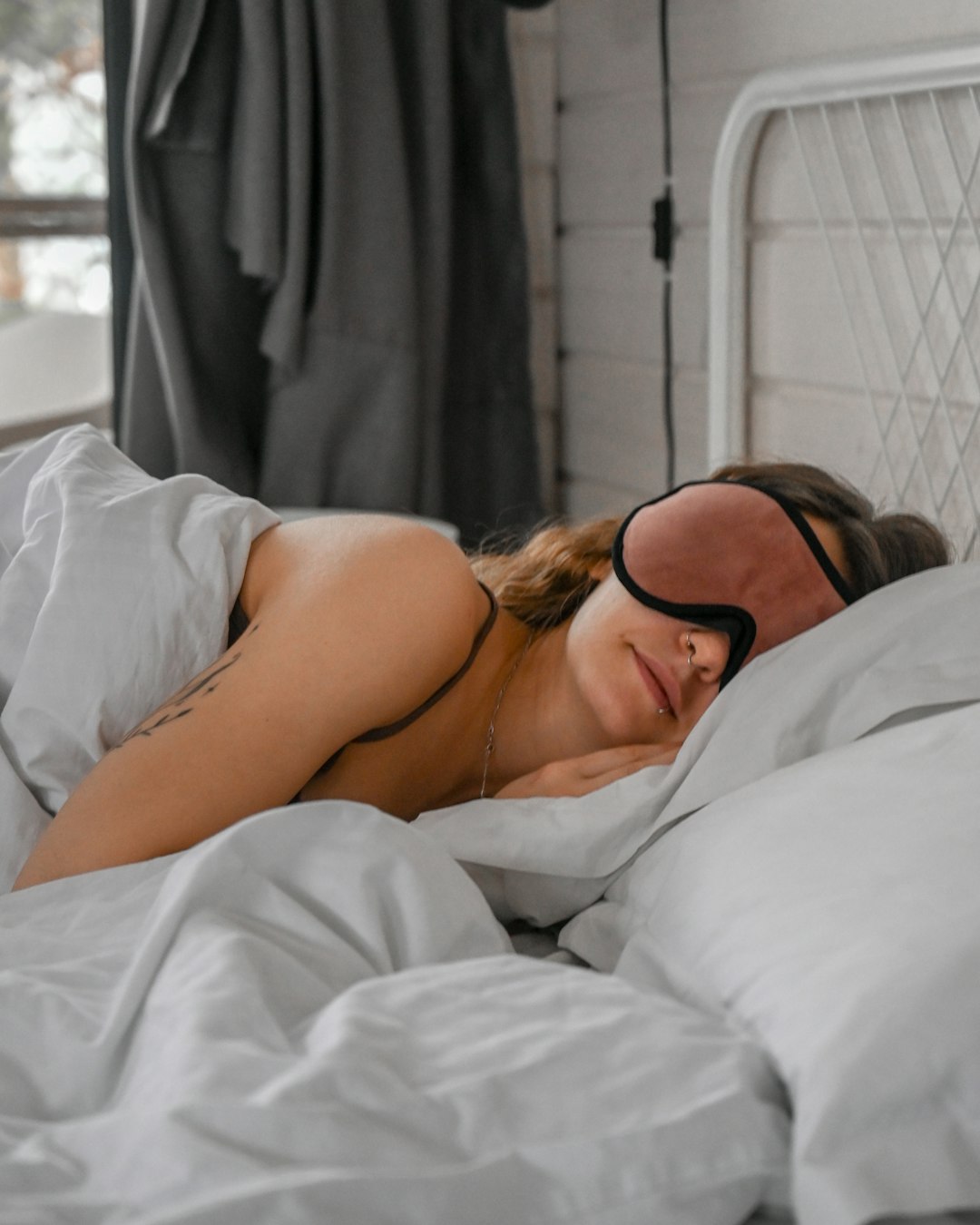
Night owls bear the absolute brunt of this biological misalignment. The diagnostic criteria highlight individuals who sleep far longer when depressed and struggle immensely to wake up. These patients experience intense morning exhaustion regardless of their total sleep duration. Their natural rhythms drift completely out of step with the relentless demands of the modern workday.
Symptoms of this specific depression subtype tend to begin at a significantly earlier age than other variations of the illness.
The physical ramifications extend well beyond mental fatigue. The genetic data points toward a severe intersection of metabolic and cardiovascular issues. These patients show a marked predisposition for insulin resistance and a higher body mass index. This underlying biology separates circadian depression from standard seasonal affective disorder. The body is fundamentally out of sync.
Women report these disrupted sleep patterns most frequently.
The data shows an overwhelming female majority among those affected. However, experts note that menopause significantly disrupts sleep and was not isolated in this study. The genetic profile requires further replication across diverse populations.
Light exposure remains the most powerful environmental signal for synchronizing the human body with the outside world.
Bright daylight in the morning anchors the biological clock. Evening artificial light shatters that delicate balance and deepens the depressive state.
Dr. Ian Hickie of the Brain and Mind Centre emphasized the poor response to conventional therapies. He suggested that interventions like melatonin or clinical light therapy may offer superior results. The architecture of our daily habits directly constructs our mental resilience. Aligning our physical routines with natural daylight is no longer just a lifestyle suggestion. It is medicine.
The clinical landscape is currently grappling with how to define this condition officially. US chronotherapeutics expert Michael Terman acknowledges the plausibility of the findings. The medical field still views this as a proposed subtype rather than a formal diagnosis. Researchers readily admit that self-reported sleep cycles present a limitation that demands further inquiry.
Seasonal shifts absolutely aggravate the symptoms of this condition. They do not act as the primary trigger for the depression.
Clinical psychologist Amy Marschall highlights that natural sleep cycles vary wildly from person to person. Society pushes a rigid schedule that forces individuals to conform to arbitrary waking hours. This forced adherence damages those with naturally delayed biological rhythms. The friction between genetic disposition and corporate scheduling accelerates the onset of severe depressive episodes.
We are diagnosing the symptom instead of the actual disease.
Sophie Bostock advises capturing any available outdoor light during the darkest months of the year. Even a cloudy winter sky provides significantly more lux than standard indoor office lighting. This daily exposure is critical for mental stability.
Future medical guidelines may soon require doctors to assess a patient's circadian habits before writing a prescription.
Tailoring treatments to an individual's genetic profile is the inevitable future of psychiatry. We must stop prescribing uniform pills for unique DNA.
Frequently Asked Questions
What is circadian depression?
Circadian depression is a proposed subtype of severe depression linked to a disrupted internal body clock. It is characterized by irregular sleep patterns, low daytime energy, and extreme morning fatigue.
How does the Australian Genetics of Depression Study define this condition?
The study identified this subtype in patients who exhibit at least three specific traits. These traits include being a night owl, experiencing severe morning exhaustion, and sleeping significantly longer during depressive episodes.
Do standard antidepressants work for circadian depression?
Research indicates that standard antidepressants like SSRIs are less effective for this specific subtype. Patients also report experiencing a higher rate of adverse side effects from these conventional medications.
What are the recommended treatments for a disrupted sleep-wake cycle?
Medical professionals suggest therapies that directly target the internal body clock. Clinical light therapy and melatonin supplements are currently viewed as the most promising interventions.
Why are women more likely to experience circadian depression?
The study data showed an overwhelming female majority among those affected by this subtype. Experts point out that hormonal shifts, particularly those related to menopause, heavily disrupt natural sleep architectures in women.





Comments: