

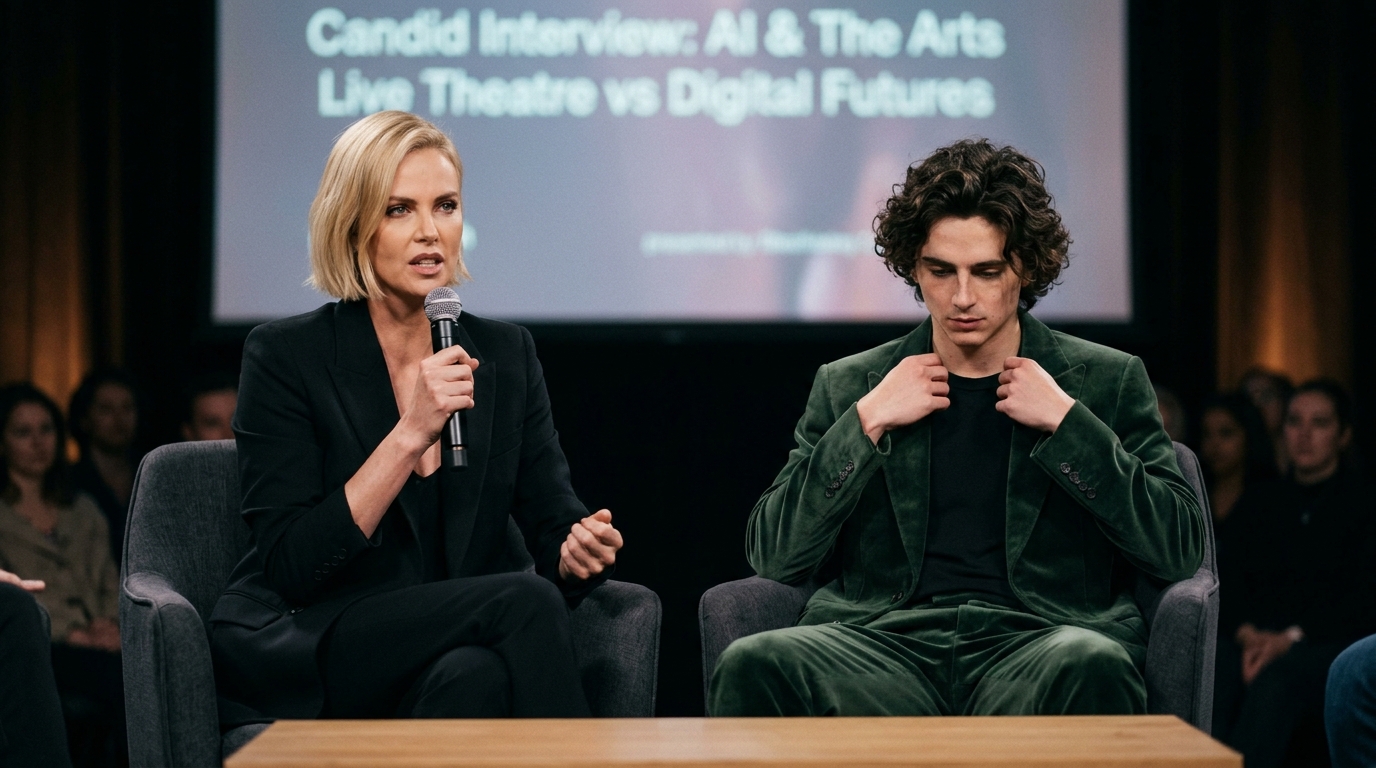
Charlize Theron on Timothée Chalamet and AI: The Architecture of a Hollywood Feud


The Charlize Theron and Timothée Chalamet AI and ballet controversy has officially reached a fever pitch. In a landscape dominated by carefully curated public relations strategies, genuine friction is a rarity. The Oscar-winning actress recently sat down for a candid interview. She delivered a sharp rebuke to the young actor regarding his recent comments about live theatre.
The exchange centers on the evolving value of traditional art forms. It highlights a growing generational divide in Hollywood.
During a February 24 CNN and Variety town hall with Matthew McConaughey, Chalamet made a polarizing statement. The star of Marty Supreme noted he did not want theatrical moviegoing to suffer the same fate as ballet or opera. He claimed that no one cares about those mediums anymore. He jokingly added that he just lost fourteen cents in viewership for his blunt honesty.
The backlash was immediate and fierce across the industry.
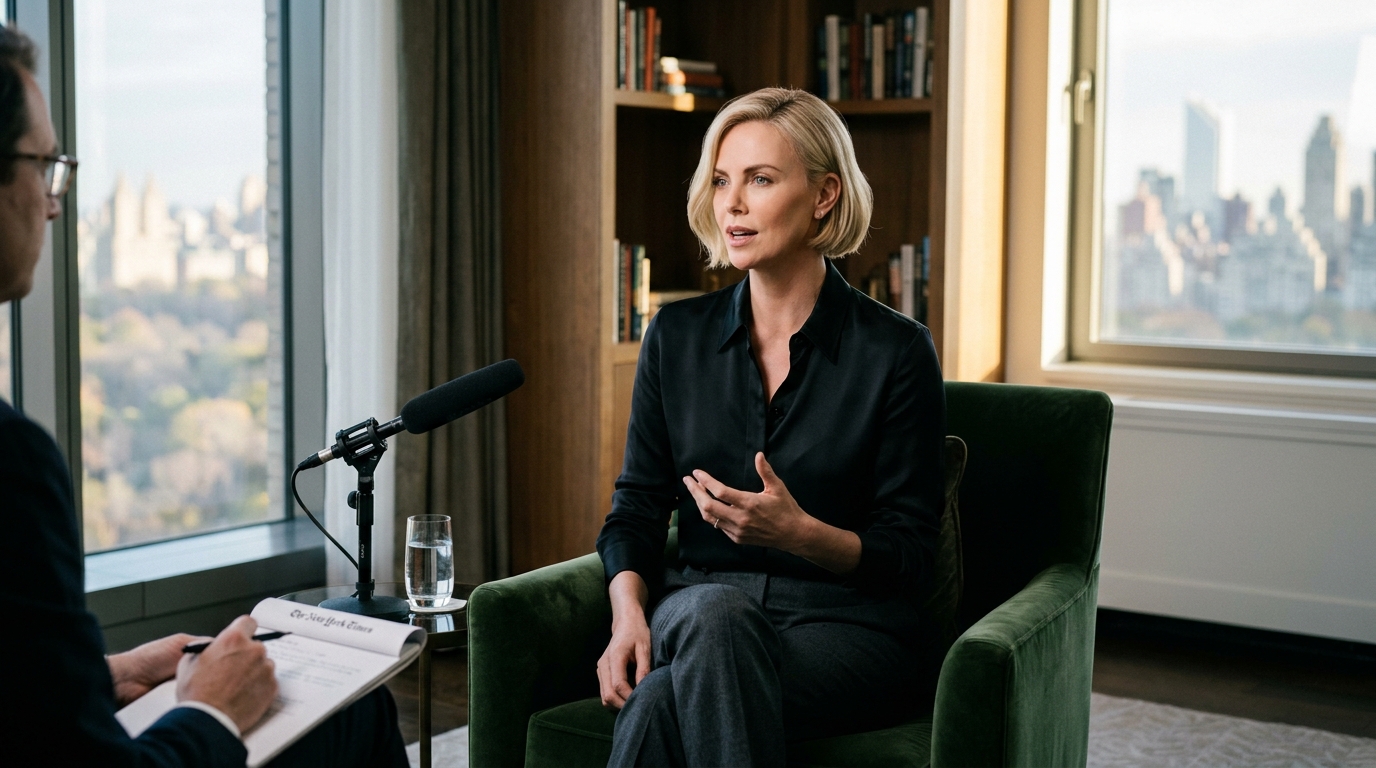
Theron addressed the situation directly in her April 18 interview with The New York Times. Speaking with Lulu Garcia-Navarro, she called his remarks incredibly reckless. She then delivered a highly calibrated critique.
She stated that artificial intelligence will be perfectly capable of doing Chalamet’s job in ten years. She clarified that technology will never replace a living person dancing on a stage. This assertion strikes at the heart of the current anxiety surrounding digital replication in cinema. It also defends the irreplaceable visceral energy of live physical performance.
Her perspective is rooted in grueling personal experience. Theron trained extensively as a classical dancer before transitioning to film.
She described dancers as literal superheroes. She detailed the silent suffering required to perfect the craft. Her training was bordering on abusive. She suffered from severe blood infections caused by blisters that never had the chance to heal. Dancers are expected to bleed right through their shoes without requesting a single day off. It requires an unyielding mindset.
You simply do not give up when practicing this discipline.
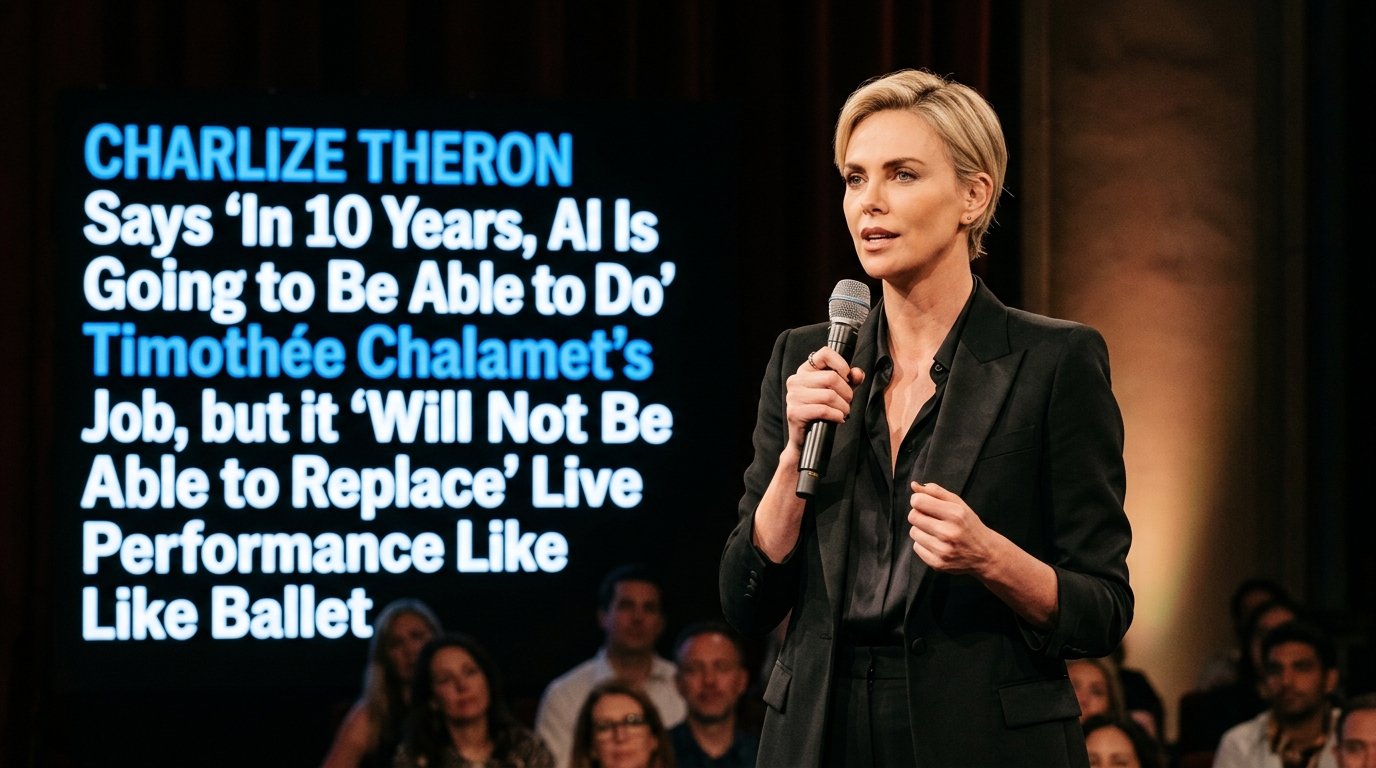
The internet response to her New York Times interview proved highly fractured. Many observers applauded her defense of classical arts. Others quickly pointed out that as an actor, her job is equally vulnerable to AI.
Social media users debated whether her statement was a valid critique or an unnecessarily harsh attack. Some critics called her remarks ignorant. They felt she was riding a wave of outrage that had already peaked weeks ago. The controversy had even become a punchline at last month’s Oscars. Host Conan O’Brien joked about imminent attacks from the enraged opera community.
Chalamet has faced a steady stream of criticism from various entertainment veterans. The pushback extends far beyond social media.
Nathan Lane appeared on The View and labeled the young star a schmuck for his insensitivity. Jamie Lee Curtis dismissed the original comment as silly. She warned it could permanently taint his legacy. Doja Cat took to TikTok to remind everyone that audiences and performers still care deeply. Even Steven Spielberg weighed in during a recent onstage conversation about cinema.
Spielberg emphasized that live arts bring people together.
A few public figures have offered a softer perspective on the debacle. Opera legend Andrea Bocelli gracefully invited Chalamet to attend one of his performances. He hopes the actor might discover the magic of the stage.
Adele also suggested the public might be blowing the entire situation out of proportion. She mentioned that the viral discourse might actually drive much needed attention toward struggling traditional art forms. Representatives for Chalamet have yet to issue an official response to Variety or The Hollywood Reporter regarding the ongoing fallout from his February statements.
This cultural moment serves as a fascinating study of industry insecurity. It pits classical training against modern movie stardom.
The collision of artificial intelligence fears and respect for physical craft will only intensify. Theron used a moment of celebrity friction to highlight a crucial reality about labor in the arts. Live performance requires a human toll that no algorithm can replicate. We are left to watch how the next generation of actors navigates the heavy expectations of their predecessors.
Frequently Asked Questions
Why did Charlize Theron criticize Timothée Chalamet?
Theron criticized Chalamet for his comments suggesting that no one cares about ballet or opera anymore. She called his remarks reckless and defended the extreme physical discipline required by live dancers.
When did Timothée Chalamet make his comments about ballet and opera?
Chalamet made his polarizing statements during a CNN and Variety town hall event on February 24, 2026. He was discussing the future of theatrical moviegoing with Matthew McConaughey.
What did Charlize Theron say about artificial intelligence?
During an April 18 interview with The New York Times, Theron stated that AI will be able to do Chalamet’s job in ten years. She emphasized that AI will never be able to replace a live dancer on a stage.
Did Charlize Theron train as a dancer?
Yes. Theron trained extensively in dance before her acting career. She described the experience as bordering on abusive due to severe physical tolls like blood infections and bleeding through shoes.
How did other celebrities react to Chalamet's comments?
Several industry veterans criticized his remarks. Nathan Lane called him a schmuck, Jamie Lee Curtis labeled the comments silly, and Doja Cat defended live performers. Andrea Bocelli offered a diplomatic response by inviting Chalamet to an opera performance.




Comments: