

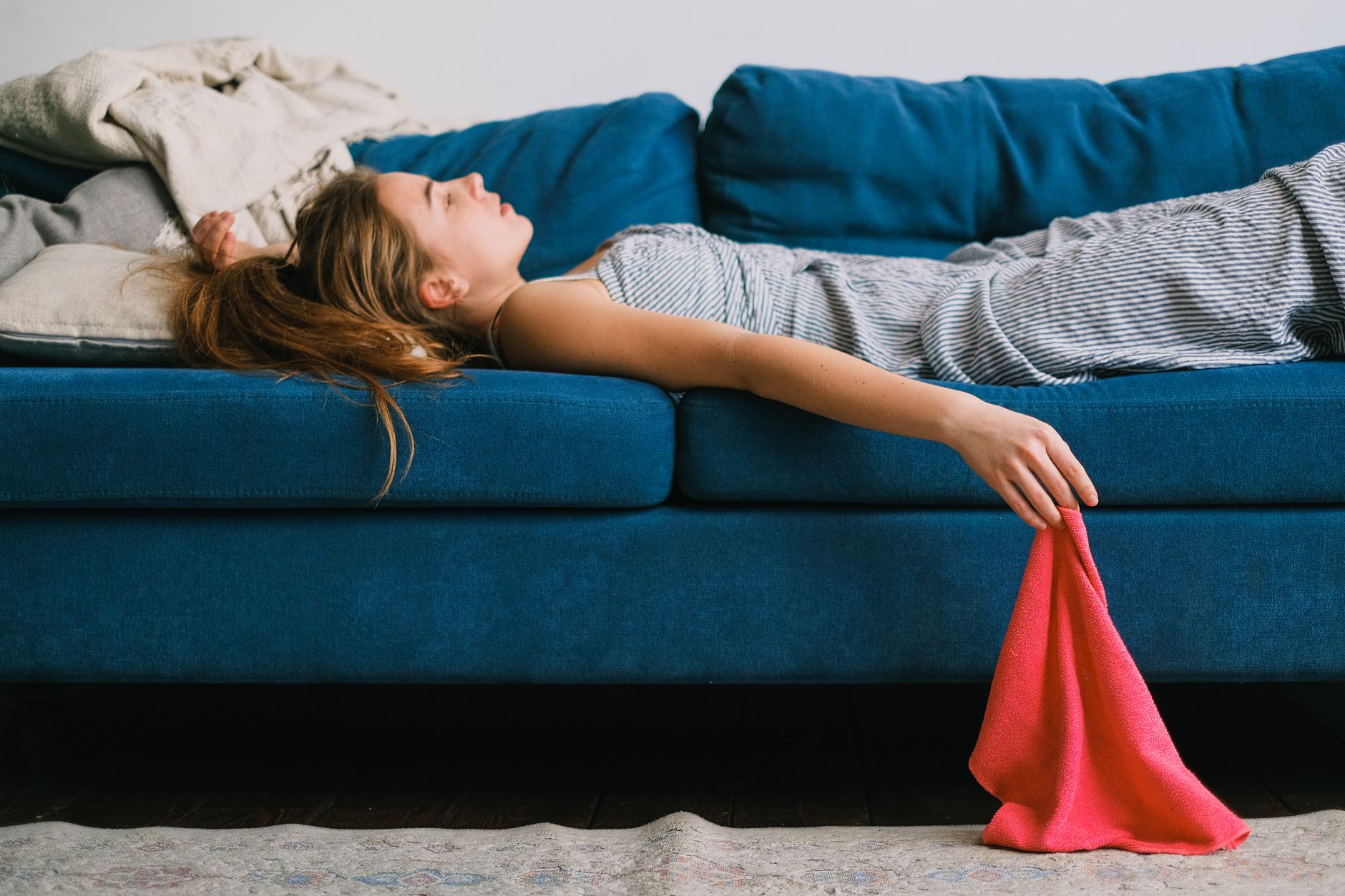
Centers for Disease Control 2024 Fatigue Study: The Architecture of Modern Exhaustion


The modern woman wears her exhaustion like a vintage trench coat. It is ever-present and intricately tailored to her daily routine. The new Centers for Disease Control 2024 fatigue study confirms what many have quietly known. Women really are more fatigued than men. The data paints a stark portrait of American burnout. We are running on fumes.
The findings from the National Center for Health Statistics are sobering. A profound 71.5 percent of adults felt recent fatigue.
Sociologist Natalie A.E. Young spearheaded this critical report. Surveying nearly 27,000 adults ages eighteen and older, the research strips away our collective denial. It turns out that frequent fatigue is not a localized trend. It is a national baseline. More than half of women reported feeling fatigued some days. Nearly twenty percent experience this debilitating exhaustion most days or every day.
Men simply do not report the same levels of daily weariness.
We must define our terms. This is not ordinary sleepiness easily cured by a nap. Researchers define general fatigue as physical or mental tiredness that does not improve with additional rest. It is a deeper drain.

Clinical psychologist Jennifer Caspari notes the distinct male-female imbalance. She attributes this to a heavy convergence of physical and social factors. Women often shoulder a disproportionate amount of invisible labor. Even in equitable households, women tend to manage the internal dialogue of scheduling. They worry more about organizing. They carry the profound mental weight of planning.
Biology also plays a significant role in this disparity. Hormonal fluctuations are relentless.
Menstruation, pregnancy, perimenopause, and menopause dictate energy reserves. Furthermore, autoimmune diseases disproportionately impact female bodies. These conditions frequently list profound tiredness as a primary symptom. We cannot separate the physical vessel from the psychological burden. Stress generates surges in cortisol and adrenaline. The body eventually wears down under this constant hormonal assault.
Dr. Alana A. Lewis of Northwestern Medicine remains unsurprised.
The cardiologist views fatigue as a symptom of living in the current era. Difficulties in concentration and limited social stamina follow closely behind. People with frequent symptoms face a threefold risk of experiencing depression.
They are also twice as likely to report cognitive difficulties or anxiety. The reality is that exhausted people are facing severe limitations in their daily lives. Young points out that fatigue often co-occurs with serious functioning difficulties. The danger extends to physical outcomes as well. Those suffering are at higher risk for permanent work disability and activity limitations.
The American Psychological Association provides further context with their recent stress surveys.
The majority of adults now report feeling isolated and deeply stressed about the future. This underlying societal anxiety fuels the physical depletion we see in the medical data. It is a vicious cycle of mental strain eroding physical vitality. We are witnessing the bodily cost of economic uncertainty and modern fears.
Geographic nuances emerge within the CDC data. Adults residing in the South and Midwest reported exhaustion at the highest rates.

The South logged in at 17.7 percent for frequent fatigue. The Midwest followed closely at 17.5 percent. The West and Northeast fared marginally better at 15.6 and 14.5 percent respectively. Demographics hold another surprise regarding youth. Young adults between eighteen and thirty-four are highly affected by chronic tiredness. They are entering adulthood already burdened by systemic exhaustion.
Conversely, those aged sixty-five and older reported feeling less drained. Perhaps retirement grants a reprieve from the rush.
Finding a solution requires intention and medical insight. Lewis advises starting with foundational cardiovascular health. She urges patients to follow the American Heart Association checklist. We must evaluate sleep and stress patterns objectively. Identifying whether the tiredness is a temporary issue or a persistent chronic condition is vital. Medical intervention is sometimes absolutely necessary.
We must accept that we are not machines built for endless output. We require grace.
Caspari recommends replacing mindless scrolling with active rest. Passive resting like watching television is acceptable. However, low-intensity activities offer deeper restoration. Gentle stretching and breathing exercises nourish the mind and repair the nervous system over time.
Frequently Asked Questions
What did the 2024 CDC study reveal about women and fatigue?
The study found that women are significantly more likely to experience frequent fatigue than men. More than half of women reported feeling fatigued on some days, while nearly 20 percent experience it most days or every day.
How does the CDC define general fatigue in adults?
Researchers define it as physical or mental tiredness and exhaustion that does not improve with additional sleep or rest. It is distinct from ordinary sleepiness and can be a symptom of underlying health issues.
Why are women reporting higher levels of fatigue than men?
Clinical psychologists attribute this to a mix of physiological and social factors. Women experience hormonal fluctuations, higher rates of autoimmune diseases, and often carry the invisible mental load of household planning and organization.
What are the psychological risks associated with frequent fatigue?
Adults experiencing frequent fatigue are more than three times as likely to have symptoms of depression. They are also about twice as likely to report cognitive difficulties or symptoms of anxiety.
Which age group experiences the most frequent fatigue according to the data?
Younger adults between the ages of 18 and 34 are the most likely to report experiencing frequent fatigue. Conversely, adults aged 65 and older report the lowest levels of frequent exhaustion.
What is the difference between active rest and passive rest?
Passive rest involves low-effort stationary activities like sitting and watching television. Active rest involves low-intensity, restorative practices like breathing exercises and gentle stretching, which psychologists say can have a more helpful impact on long-term fatigue.





Comments: