

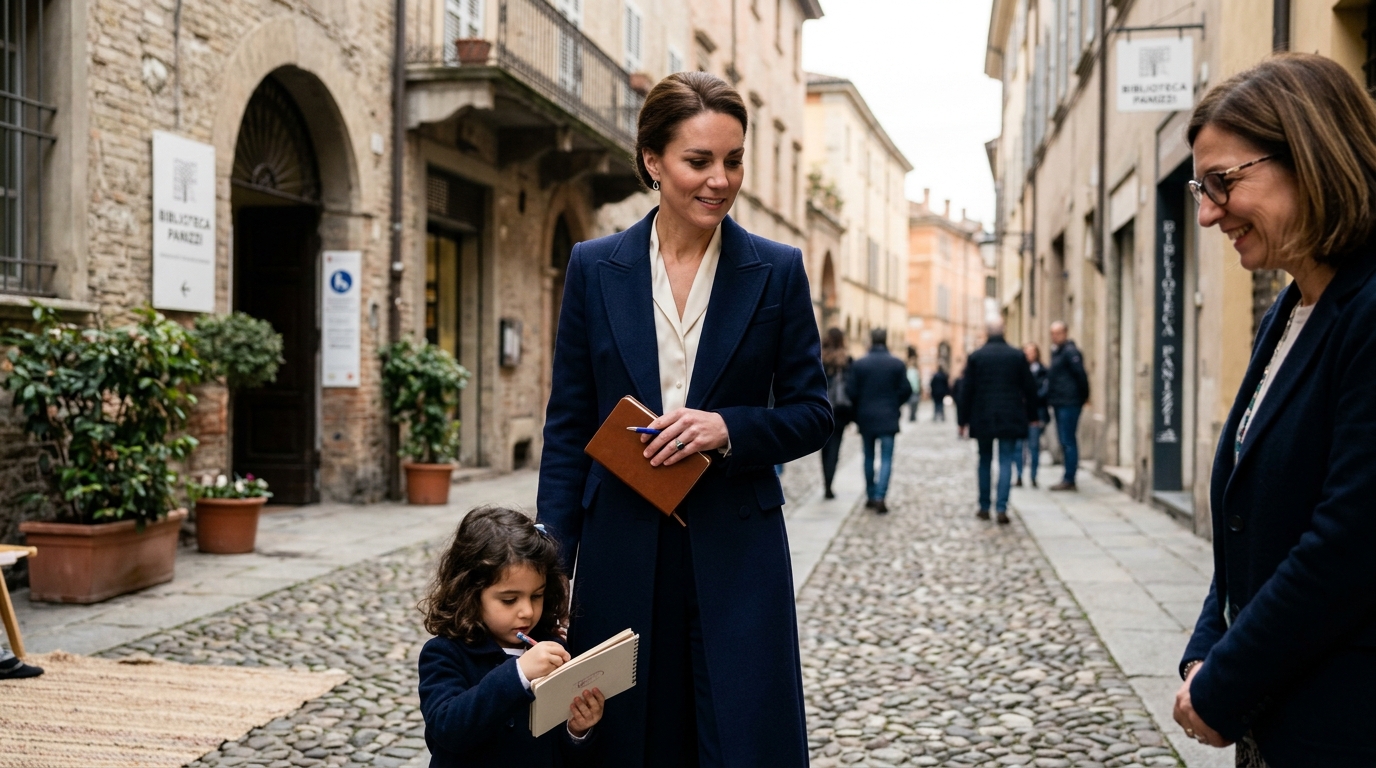
Catherine, Princess of Wales in Reggio Emilia: The Architecture of Quiet Love


The Princess of Wales's recent Italy tour marks her quiet return to the global stage, choosing the storied streets of Reggio Emilia as the backdrop for her first official overseas engagement since her cancer treatment. It is a calculated and deeply personal move. Last month, Catherine spent two days in northern Italy observing a revolutionary educational framework that treats children as equal citizens.
Her reflections have now crystallized into a new essay published by the Royal Foundation Centre for Early Childhood.
Titled "Creating the conditions for love to flourish through nature and creativity," the piece serves as both a philosophical manifesto and a gentle critique of our modern era. Catherine warns against an increasingly digitalised world where daily life is constantly mediated through screens. She argues that our collective need for genuine human connection has never been more urgent.
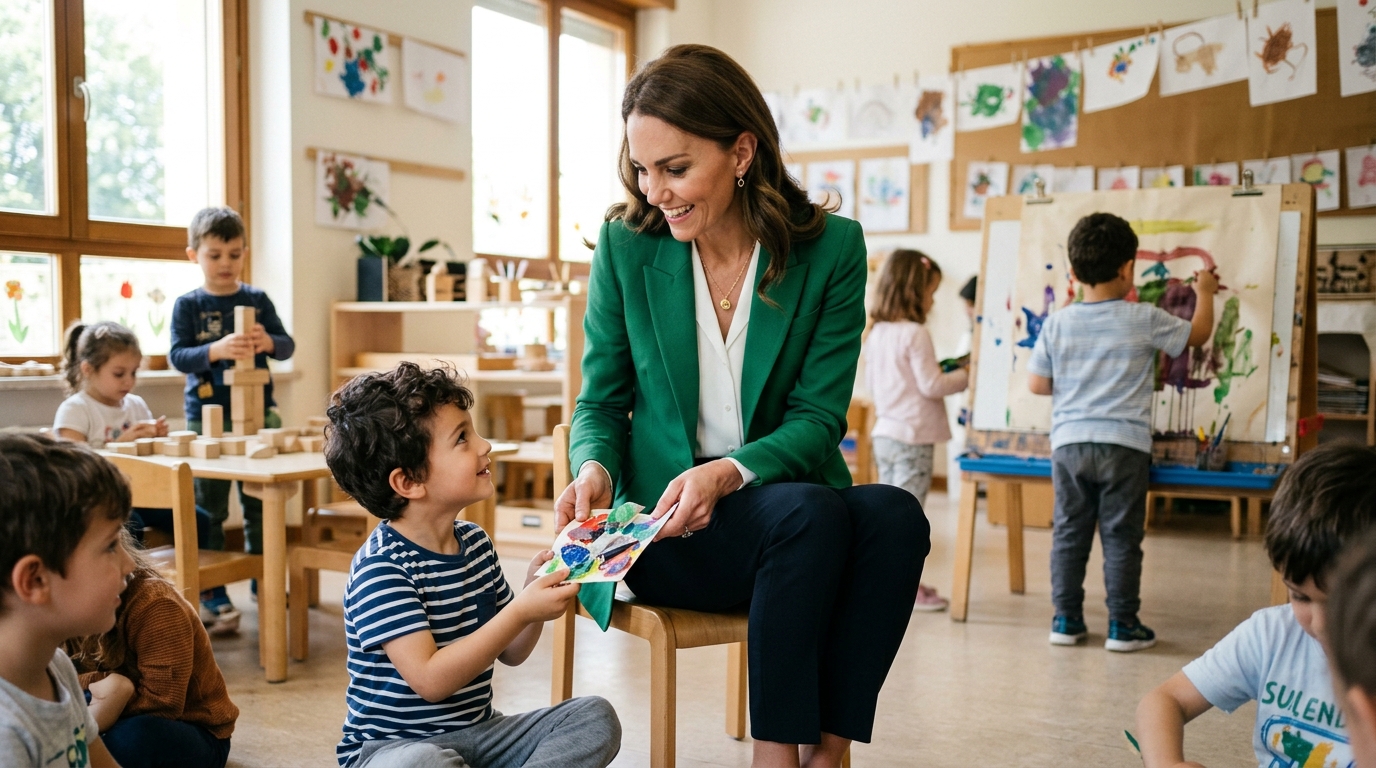
To coincide with the essay, the palace released a series of new photographs.
The images capture a princess reinvigorated by her mission. During her Italian tour, she immersed herself in an environment globally renowned for its post-war commitment to early childhood development and radical empathy.
The Reggio Emilia approach is built on the concept of the "100 languages" of children. It honors the myriad verbal and non-verbal ways youth express themselves. Catherine observed this firsthand, noting how the children radiated an innate ability to connect, effortlessly welcoming a complete stranger with an inspiring blend of confidence and joy.
Sources close to the princess describe this strategic international trip as taking it up a gear.
This is not merely a diplomatic exercise. Christian Guy, Executive Director of the Royal Foundation Centre for Early Childhood, notes that Catherine views early childhood development with the same urgency as climate change. It is a foundational crisis that requires immediate, global intervention to ensure the healthy balance of mind, body, and spirit in future generations.
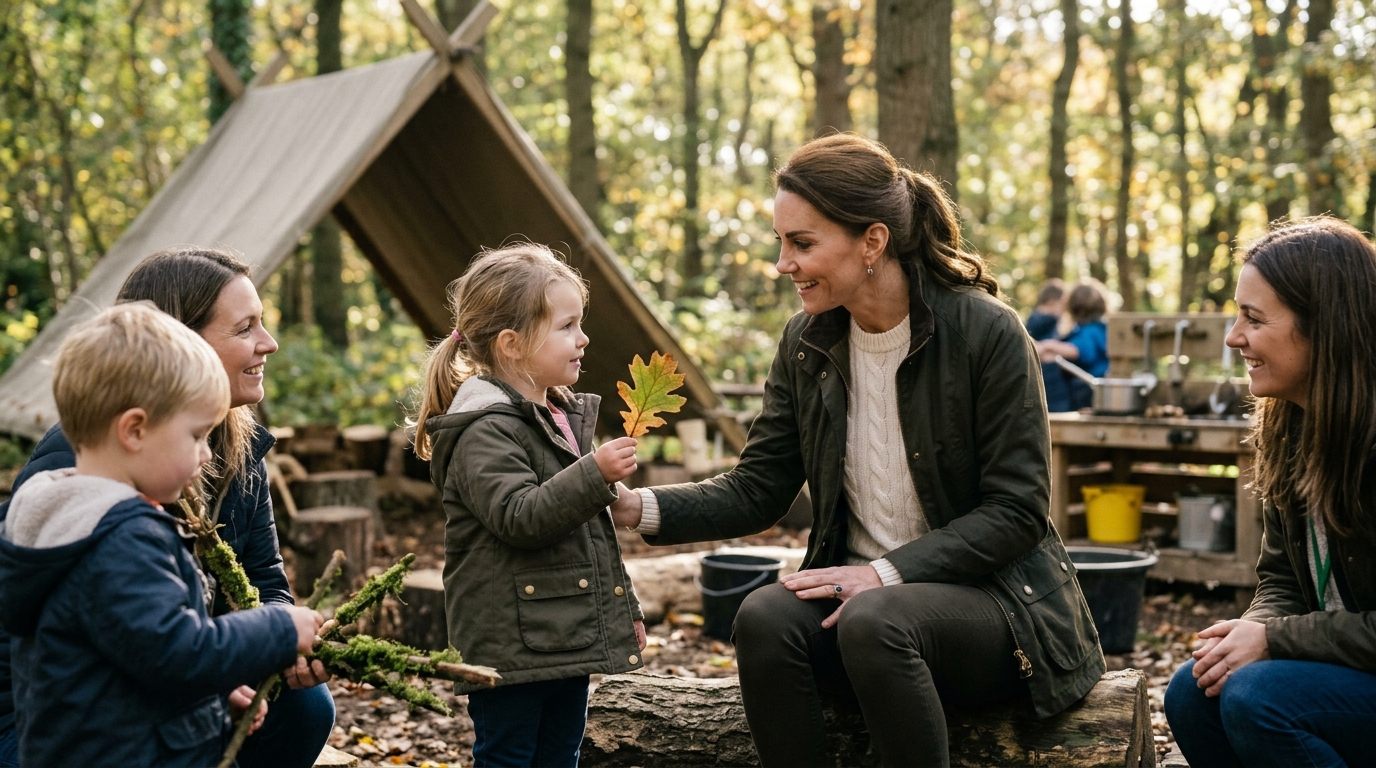
Childhood is not simply a beginning, but a vital reference point.
When a fellow parent at her children's school recently asked her what single thing society should all prioritize, her answer was remarkably austere. She advised them to prioritize love, stripping away all the noise of modern parenting.
This is not about grand, overly romantic gestures. Catherine specifies a love that is quiet, unconditional, and built entirely on time and patience. It is a profound realization likely sharpened by her recent health battles, reflecting her renewed focus on the joy found in ordinary things and the everyday magic of life itself as she resumes her highly anticipated public duties.
Her team is already scouting new locations that pioneer unique approaches to supporting families in their earliest years.
The trip illuminated how happy childhoods are the absolute foundation of happy communities. Catherine observed that genuine connection begins exclusively with listening and understanding. By spending time in nature or engaging in creative pursuits, we nurture awareness, empathy, humility, and above all, love.
These are the exact foundational qualities that cannot be easily digitized.
As life unfolds, the princess notes, adults learn to organize and interpret the world through rigid structure and language. These valuable skills unfortunately create a vast distance from that early sense of pure connection. We become obsessively aware of how we are seen and significantly less anchored in the natural state of intuitive openness that defines our earliest developmental years.
Healthy social and emotional development must be actively shaped through relationships.
Nature provides one of the most inspiring environments for this necessary exploration. Giving children the time and space to engage with their landscapes helps them develop a more grounded relationship with the world. It introduces the restorative qualities of the outdoors.
The Princess of Wales has returned with absolute clarity. Healing later in life begins by ensuring our most important connections are never lost.
Frequently Asked Questions
Why did Catherine, Princess of Wales, visit Reggio Emilia in Italy?
She visited Reggio Emilia to observe its globally renowned approach to early childhood education. The city is famous for treating children as equal members of society and encouraging their expression through diverse, non-verbal languages.
What is the title of the Princess of Wales's new essay?
The essay is titled "Creating the conditions for love to flourish through nature and creativity." It was published by the Royal Foundation's Centre for Early Childhood.
What advice did Princess Kate give to a fellow parent at her children's school?
When asked what one thing people should do, she answered that we must prioritize love. She clarified this means a quiet, unconditional love built on time and patience, rather than grand romantic gestures.
How does Princess Kate view the impact of the digital world on children?
She expressed concerns about an increasingly digitalised world where life is mediated through screens. The princess emphasized that the need for genuine human connection is greater than ever to develop awareness and empathy.
Was the Italy tour Kate Middleton's first overseas trip since her cancer treatment?
Yes. The visit to northern Italy marked her official return to overseas engagements following her treatment for cancer.
What is the Royal Foundation Centre for Early Childhood?
It is an organization spearheaded by the Princess of Wales dedicated to putting early childhood on the global agenda. The Centre focuses on the societal importance of the early years and treats the issue with the same urgency as climate change.
Related
Articles
Readers always have access to latest trends and perspectives.








Comments: