


Burberry 2026 Sales Growth: The Architecture of a Democratic Luxury Revival


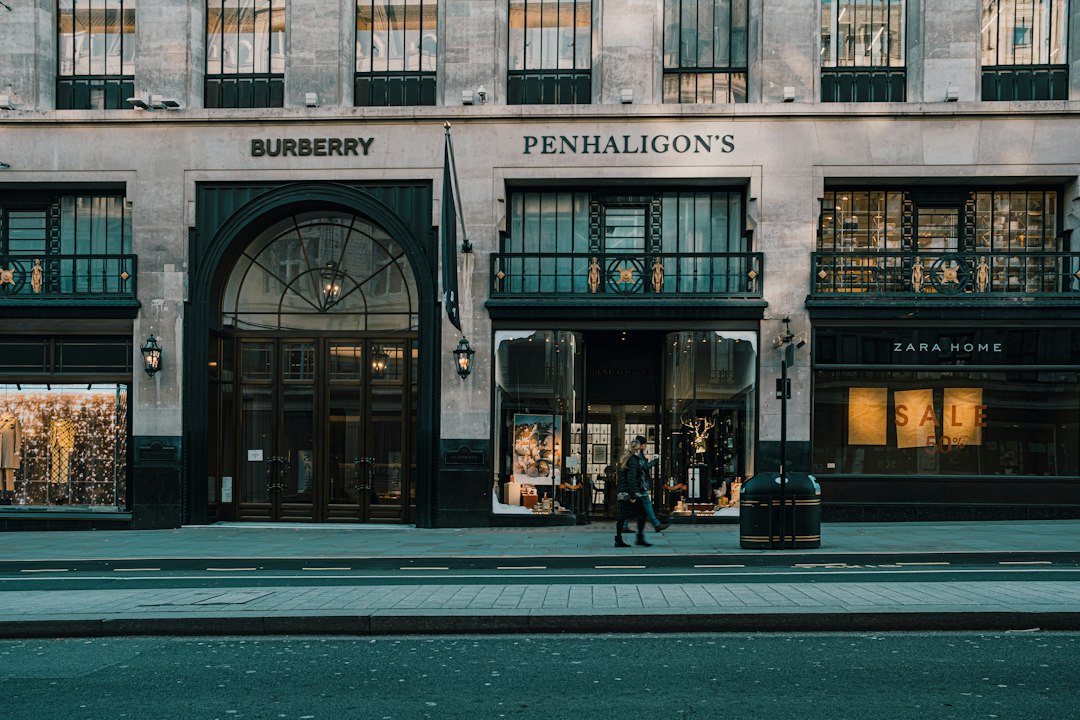
The mood inside the flagship boutique on Regent Street feels distinctly buoyant this autumn. Shoppers are gravitating toward lightweight outerwear and meticulously crafted leather goods with a completely renewed sense of retail purpose.
The Burberry 2026 sales growth figures reveal a fascinating shift in high-end consumer behavior. Chief Executive Joshua Schulman has steered the British heritage brand decisively back to profitability. The house posted a pre-tax profit of £19 million in the six months leading to September 26. This marks a sharp and impressive reversal from a £48 million loss the previous year. Total half-year sales climbed to a robust £1.1 billion.
The broader luxury sector is currently facing an undeniable and global slowdown.
Yet this specific house is successfully bucking the downward trend. Sales in China surged by a remarkable 15 percent. The Americas followed closely with a 14 percent increase. Europe and the Middle East saw a slight 1 percent regional dip.
Geopolitical tensions have naturally impacted certain key territories. The ongoing conflict in Iran contributed to the slight softening in the Middle Eastern market. Wealthy shoppers around the world are traveling far less frequently. They are exhibiting extreme caution regarding discretionary spending. This lack of global tourism heavily impacts the traditional luxury discount outlet model.
Local consumer spending has thankfully stabilized the core business model.
Craftsmanship remains at the absolute core of this sudden financial resurgence. The consumer appetite for tropical gaberdine raincoats and exquisitely tailored lightweight jackets has been exceptional across all key demographics. Shoppers are consistently flocking to the Cotswold range of premium leather bags. These specific accessories feature the unmistakable house check and offer a quiet nod to the expansive brand archive.
Schulman attributes this specific retail success to a highly calibrated pyramid of pricing. The strategy relies heavily on a deeply democratic approach.
The pricing architecture offers accessible entry points without diluting the prestige of the upper tiers. A new customer might begin their luxury journey with cotton-cashmere socks priced at £85 or a classic woven scarf at £195. That same client is sharing physical retail space with seasoned patrons purchasing £9,000 leather statement coats. This creates a remarkably balanced and thriving ecosystem within the flagship stores.
Exorbitant pricing has caused profound fatigue among wealthy consumers worldwide.
Burberry has actively countered this widespread exhaustion by offering palpable value for money. This strategy is resonating quite strongly with Chinese customers in particular. The brand has reclaimed its historical sweet spot within the competitive landscape.

The two-year Burberry Forward strategy is finally bearing tangible fruit on the global stage. Localized marketing initiatives have played a vital and strategic role in this ongoing stabilization. Special product capsules designed for regional celebrations generated significant local engagement. Collections tailored specifically for China's Valentine's Day and the upcoming Lunar New Year drove massive foot traffic into boutiques.
Global clients are picking up the financial slack in their hometowns.
The resilience of local spending is highly evident in major city centers. Flagship stores in London continue to report robust daily transactions despite the lack of international tourists. Shoppers are simply choosing to invest in heritage pieces locally.
The fashion industry is famously unpredictable. The current economic climate makes forecasting future quarters incredibly difficult. While nobody possesses a true crystal ball, the luxury business remains deeply cyclical by its very nature. Burberry has positioned itself perfectly with an accessible yet highly aspirational product matrix.
The trench coat remains an undisputed pillar of modern British style.
Thomas Burberry originally invented gaberdine in the late nineteenth century. The tight weave of this worsted wool revolutionized weatherproof clothing forever. Today's tropical iteration offers that exact same protection with a much lighter drape.
This technical evolution perfectly matches the shifting climate and the modern desire for transitional outerwear. Customers no longer want heavy coats that sit in a closet for nine months of the year. They demand versatile garments that can transition effortlessly from a damp London morning to a breezy evening in New York. The financial results clearly show that the design team understands this fundamental shift in wardrobe utility.
A return to absolute basics has proven to be the most innovative strategy.
Frequently Asked Questions
Why did Burberry report a profit increase in the first half of 2026?
Burberry returned to profitability due to a successful back-to-basics strategy focusing on core outerwear and leather goods. Strong local sales in China and the Americas helped the brand overcome a broader global luxury slowdown.
What is the Burberry pyramid of pricing strategy?
The pyramid of pricing offers a wide range of products across different price points to attract diverse customers. It includes entry-level items like £85 cotton-cashmere socks and £195 scarves alongside premium £9,000 leather coats.
Which regions drove the most sales growth for Burberry in 2026?
China and the Americas were the primary drivers of financial growth. Sales increased by 15 percent in China and 14 percent in the Americas during the six months leading up to September 26.
How did geopolitical events affect Burberry sales in Europe and the Middle East?
Sales in the Europe and Middle East region fell by 1 percent. This slight decline was partially attributed to the ongoing conflict in Iran and a general decrease in international tourist spending across European discount outlets.
What are the most popular Burberry products driving the 2026 sales jump?
Consumer demand was highest for lightweight jackets and tropical gaberdine raincoats. The Cotswold range of leather bags featuring the classic house check also proved exceptionally popular among local shoppers.
What is the Burberry Forward strategy?
The Burberry Forward strategy is a two-year corporate initiative aimed at returning the brand to its historical sweet spot in the market. It focuses on delivering value for money and creating highly localized marketing campaigns.
Related
Articles
Readers always have access to latest trends and perspectives.








Comments: