


Brisk Walking and Mortality Risk Study: The End of the Ten Thousand Step Myth


The wellness industry has long treated the pursuit of ten thousand steps as a non-negotiable daily mandate. It is a number repeated by trainers and glowing digital watches with gospel certainty. Yet a new British Journal of Sports Medicine brisk walking study suggests this famous metric is largely a fabrication. The latest research indicates that pace holds just as much weight as volume.
Quality suddenly supersedes quantity in the modern pursuit of health. This shift entirely transforms our approach to daily movement.
Researchers analyzed movement data from over one hundred thousand middle-aged adults in the UK Biobank. Participants wore activity trackers for seven consecutive days between 2013 and 2015. Over an eight-year follow-up period, scientists tracked mortality rates. The findings revealed a clear pattern regarding how intensity alters outcomes for those who struggle to hit high step counts.
The origin of the famous ten thousand step rule is commercial.
Professor Emmanuel Stamatakis of Monash University notes that the target dates back to a 1960s Japanese pedometer campaign. The device was named Manpo-Kei. It was never based on rigorous clinical health parameters.
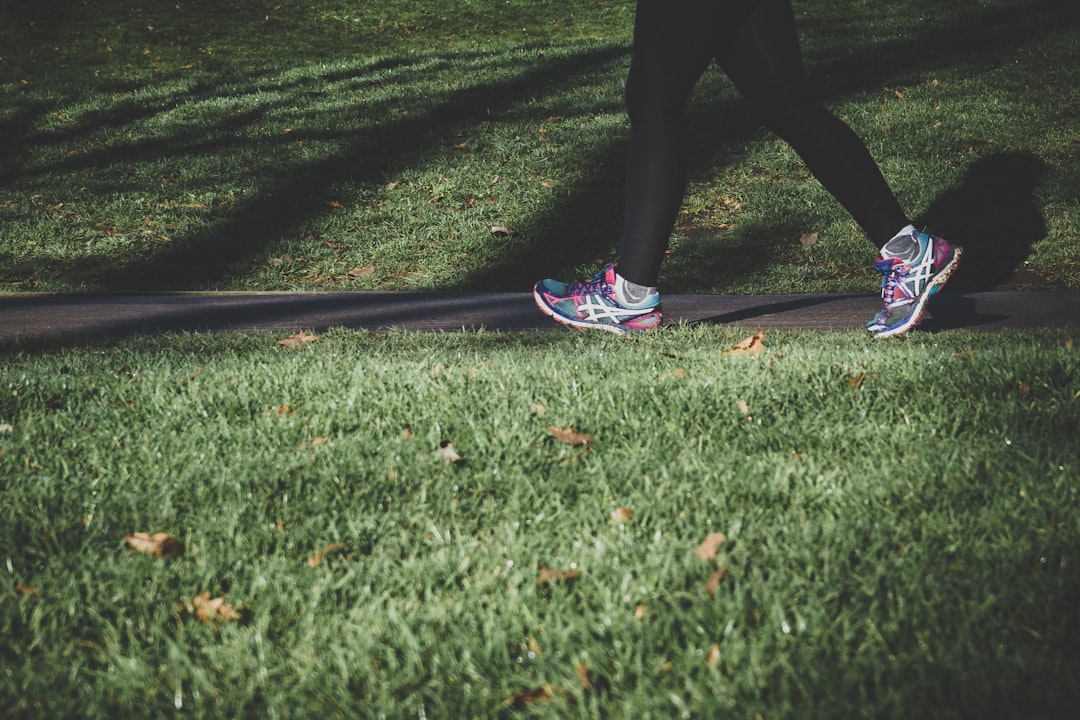
The study categorized daily steps into four distinct groups. Participants were divided into those taking fewer than five thousand, up to seven and a half thousand, up to ten thousand, and those exceeding that mark. The researchers also calculated each person's peak thirty-minute cadence. This measurement captured their fastest sustained stepping rate during their most active period.
The results offer immediate relief for sedentary adults. A brisk walk can essentially counteract a lower overall daily step count.
Individuals taking fewer than five thousand steps a day achieved remarkable results by simply speeding up. Those who maintained a peak cadence of at least eighty steps per minute saw a substantially lower risk of death. Their mortality reduction matched people taking up to seven and a half thousand steps at a slower pace of sixty steps per minute. It is a highly efficient metabolic trade.
Speed acts as a great equalizer for the time-poor individual.
This does not mean volume is entirely irrelevant. The lowest risk of early death was still associated with taking between seven and a half thousand and ten thousand steps a day. The human body finds its optimal peak there.
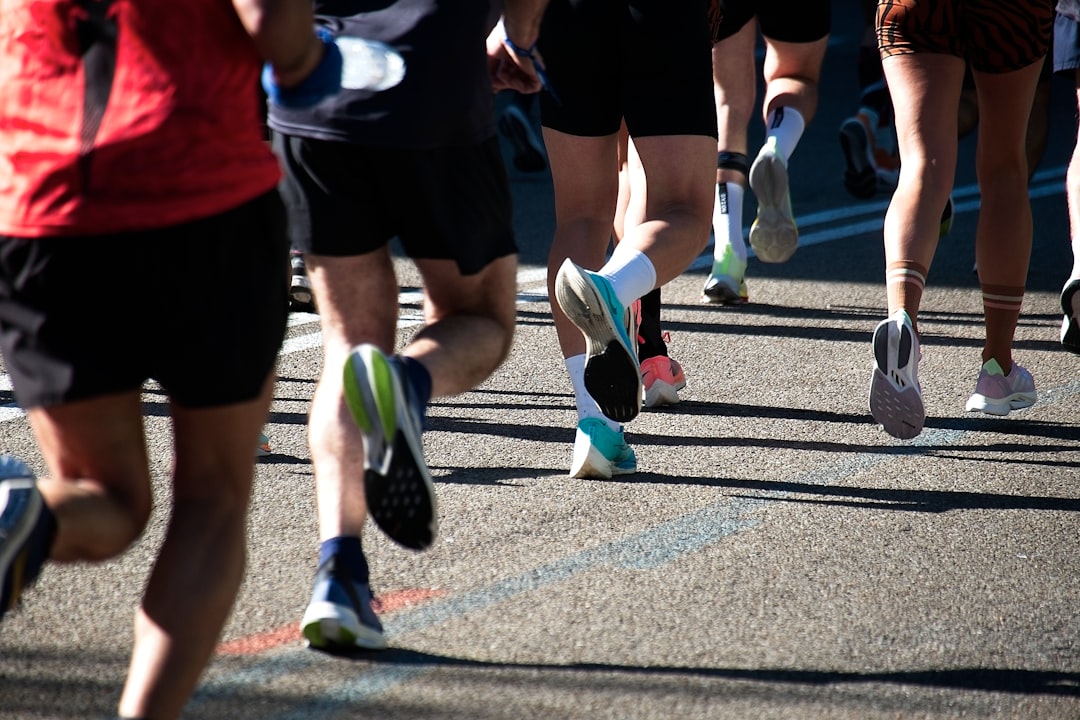
Daniel Lieberman of Harvard University points out that exercise dose combines magnitude, intensity, and frequency. The study proves that walking briskly is a highly effective lever when time is constrained. Stamatakis adds that picking up the pace is the most time-efficient method available. A speed that leaves you slightly breathless but able to speak is the ideal target.
Intensity remains entirely relative to personal fitness. A brisk pace for a fit adult could be maximal exertion for someone older.
The findings present a pragmatic approach to physical activity. A sixty-five-year-old managing joint pain or a shift worker with fragmented free time can discard the pressure of arbitrary goals. A focused thirty minutes of purposeful walking delivers comparable longevity benefits. Health guidelines must now evolve beyond single-metric approaches to embrace the nuance of human daily routines.
Consistency remains far more important than sudden exertion.
Anyone with cardiovascular risk factors should consult a doctor before increasing their walking intensity. The goal is to build up pace gradually over time. What matters is what you do on most days over months and years.
The study also highlights the danger of discouraging the public with unattainable metrics. Many individuals feel overwhelmed by the prospect of logging ten thousand steps. This research validates the efforts of those who manage merely four thousand steps but execute them with clear purpose. It shifts the cultural conversation from endurance to efficiency without sacrificing clinical benefits.
Small additions of rigorous movement create compounding physiological advantages. Three extra minutes of speed can alter outcomes.
University of Saskatchewan professor Phil Chilibeck advises individuals to monitor their breath to gauge their effort. You should experience a noticeable warmth and heavier breathing while retaining the ability to form short sentences. If you become entirely short of breath, the progression is too aggressive. The sensible alternative is always to step back and accumulate pace at a natural rhythm.
The human body responds best to a balance of key variables.
Magnitude, intensity, and frequency form the ultimate triad of physical well-being. Finding an enjoyable routine ensures you will still be walking a year from now. Any consistent physical activity outweighs a sedentary life.
Frequently Asked Questions
What is the optimal daily step count for lowering mortality risk?
The lowest risk of early death is associated with taking between 7,500 and 10,000 steps per day. Going beyond 10,000 steps offers diminishing returns for longevity according to the latest data.
Does walking faster compensate for taking fewer daily steps?
Yes. Sedentary individuals taking fewer than 5,000 steps a day who maintain a brisk pace of at least 80 steps per minute achieve similar mortality risk reductions as those taking 5,000 to 7,500 steps at a slower pace.
Where did the 10,000 steps a day rule originate?
The 10,000-step target was created during a 1960s Japanese marketing campaign for a pedometer called the Manpo-Kei. It was designed as a promotional tool rather than a scientifically backed health metric.
How can I easily measure my walking cadence?
You can estimate your cadence by counting your steps for 15 seconds and multiplying that number by four. A rough benchmark for moderate-intensity walking in an average adult is about 100 steps per minute.
What physical signs indicate I am walking at a brisk pace?
At a brisk pace, your breathing will become noticeably heavier and your body temperature will rise. You should still be able to speak in short sentences without gasping for air.
Is it safe to suddenly increase my walking speed?
You should build up your pace gradually over time rather than making drastic changes overnight. Individuals with cardiovascular risk factors or a history of inactivity must consult their doctor before increasing exercise intensity.





Comments: