


Biological Aging and Social Toxicity: The High Cost of Difficult People


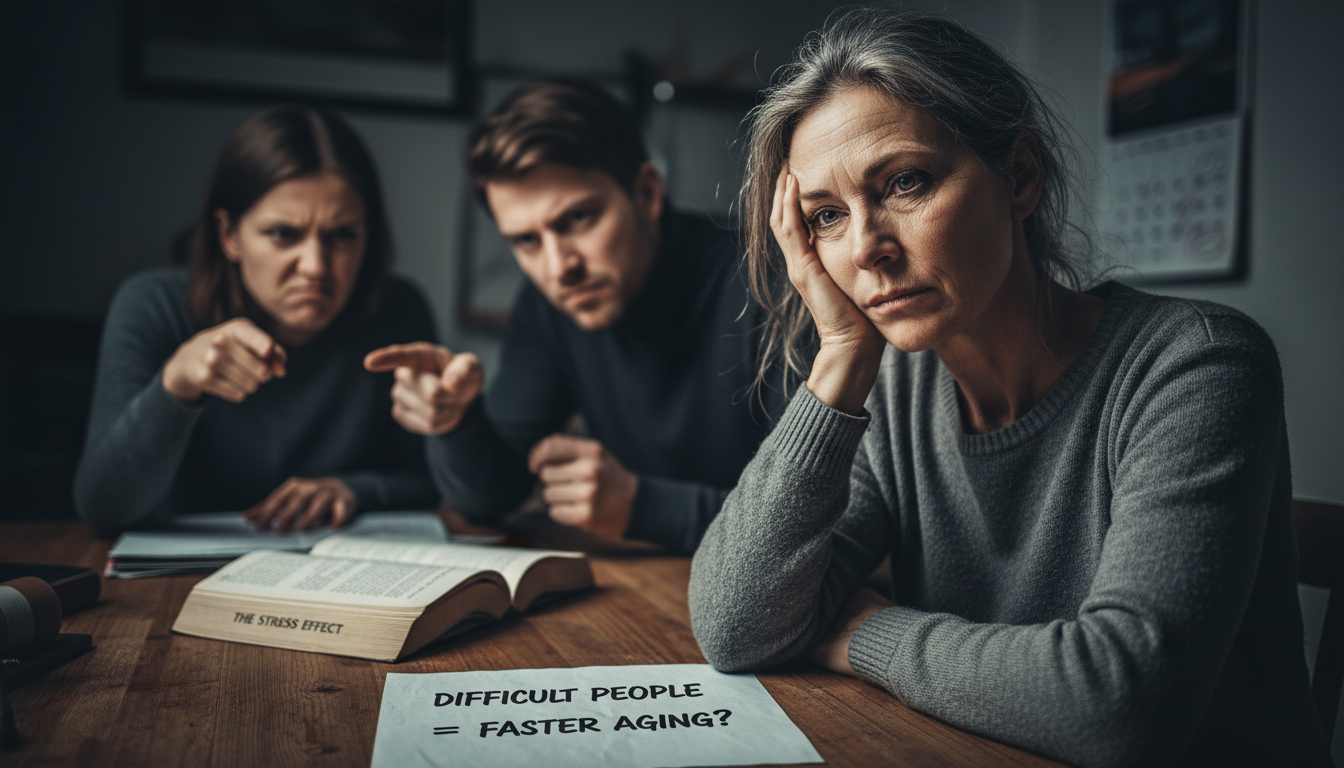
In the world of high-performance longevity, we often discuss the merits of retinol or the precision of a tailored blazer. Yet a new study suggests that the most corrosive element in our lives is not environmental pollution or a lack of sleep. It is the company we keep. The research published in the journal PNAS indicates that difficult people can quite literally accelerate our biological aging process.
This is not merely a matter of a ruined evening. It is a fundamental alteration of our cellular structure.
Researchers from New York University, the University of Michigan, and the University of Utah analyzed data from over 2,300 individuals. They found that 28.8% of participants had at least one "hassler" in their lives. These are individuals who consistently criticize, exclude, or irritate. The data showed that the presence of just one such person increases the rate of aging by 2.6 percent.
One difficult person costs you nine months of your life.
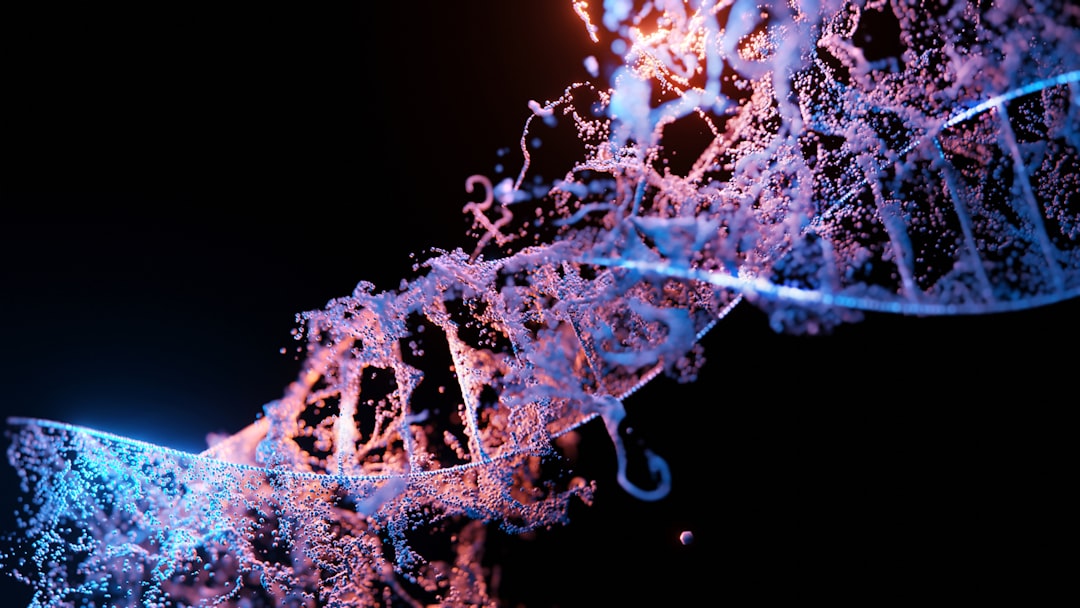
The study, led by sociology professor Lee Byung-kyu, utilized DNA methylation to measure biological age. Think of this process as a stain on the fabric of our genetic code. Over time, these marks accumulate. They dictate how genes are expressed. When we are under constant social stress, these marks multiply. A sixty-year-old individual might possess the biological markers of someone a decade older.

The mechanism is as mechanical as it is chemical. Stress triggers the release of cortisol. This hormone is useful in short bursts but toxic in a steady drip. It causes systemic inflammation. It damages the ends of our chromosomes. Professor Luke O’Neill of Trinity College describes this as a literal staining of our DNA. It is the biological equivalent of wearing out a fine silk garment through poor storage and rough handling.
It is an invisible decay.
The study highlights a particularly uncomfortable truth regarding our inner circles. While we might expect strangers or colleagues to be the primary sources of friction, the data suggests otherwise. Family members are the most significant "hasslers." Approximately 10% of spouses and 5% of grandparents were identified as sources of chronic stress. This is particularly damaging because these relationships are often inescapable.
We feel a sense of duty to these people. This keeps the conflict alive for years.
Social vulnerability plays a significant role in this accelerated decay. The study found that women and those who have experienced childhood trauma are more likely to have "hasslers" in their environment. These individuals often lack the social or economic capital to simply walk away. For them, the biological toll is even higher. It is a compounding debt of health that is difficult to settle.
There is a market context for this discovery. The wellness industry has long focused on what we consume. We buy organic greens and expensive supplements. We invest in high-tech skincare. However, this research suggests that social curation is a more effective anti-aging strategy. Pruning a social circle may be as vital as a clean diet. It is a shift from adding positive habits to removing negative influences.
Expansion is not always growth.
Professor O’Neill notes that some damage can be mitigated through lifestyle changes. Exercise is a powerful tool. A jog or a session at the gym can help release the tension that a "hassler" creates. It helps the body process the cortisol spike. But it is not a complete eraser. The stain on the DNA remains to some degree. The best cure is prevention.
Avoidance is a form of self-care.
The verdict on this research is sharp. We must view our social interactions through the lens of biological preservation. If a relationship is consistently draining, it is not just a mental burden. It is a physical one. We are trading our longevity for the sake of social politeness. It is a price far too high for any relationship to command.
We must become as selective with our companions as we are with our investments. The architecture of a long life requires a clean foundation. This means setting boundaries. It means recognizing when a "hassler" is taking more than just your time. They are taking your future months. Choose the people who offer peace over those who offer friction. Your cells will thank you for the silence.
Frequently Asked Questions
What is the primary finding of the PNAS study on difficult people?
The study found that having "hasslers" or difficult people in your life accelerates biological aging. Specifically, one such person can increase your biological age by approximately nine months.
How do researchers measure biological aging in this context?
Researchers use DNA methylation analysis. This process examines chemical marks on the DNA that change over time and indicate the actual biological age of a person regardless of their chronological age.
Which group was found to be the most stressful to health?
Family members were identified as the most detrimental to health. Because these relationships are often difficult to break and involve a sense of duty, the stress and resulting biological damage tend to be chronic.
Can the biological damage from difficult people be reversed?
Some damage can be mitigated through lifestyle changes like exercise and removing the stressor from your life. However, researchers suggest that the "stains" on the DNA may not be entirely removable once they have occurred.
What percentage of people in the study had a toxic person in their life?
Approximately 28.8% of the participants reported having at least one "hassler" in their immediate social circle. About 10% of the participants were dealing with two or more difficult individuals.
Why does stress make you age faster biologically?
Chronic stress increases cortisol levels and systemic inflammation. These factors lead to DNA damage and faster methylation, which effectively speeds up the body's internal clock and reduces longevity.
Are certain groups more vulnerable to this type of aging?
Yes. The study found that women, smokers, and individuals who experienced child abuse were more likely to have difficult people in their lives and exhibited faster biological aging.
Related Reading
Related
Articles
Readers always have access to latest trends and perspectives.









Comments: