

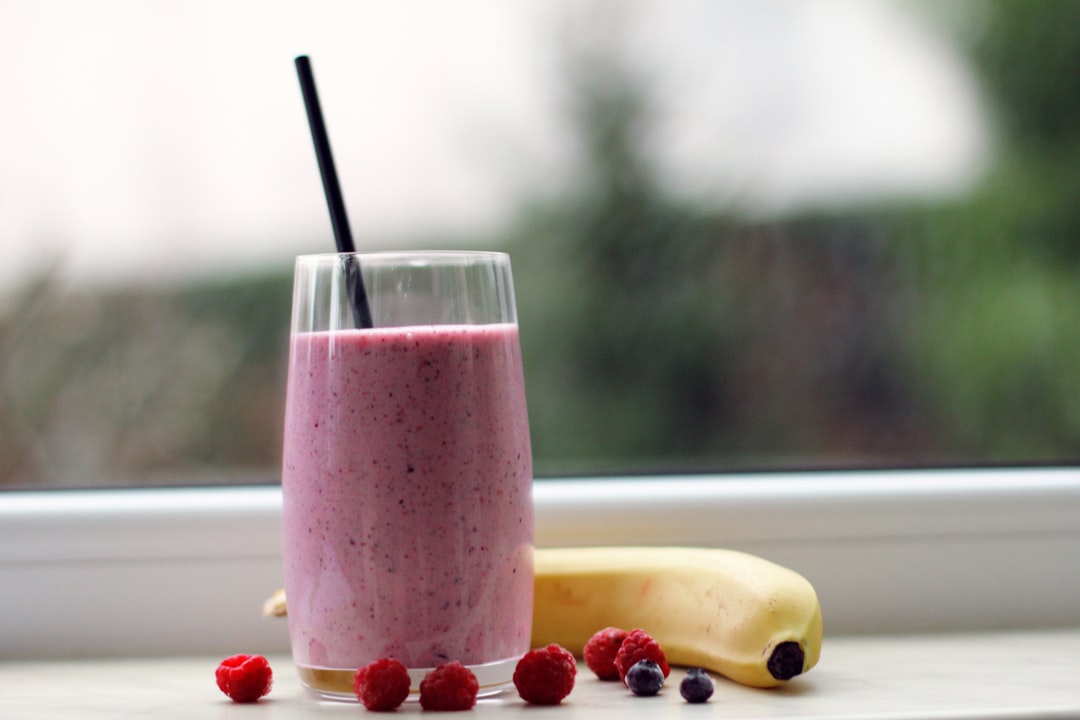
Banana Smoothie Research: The Architecture of a Nutritional Misstep


The modern morning routine has long relied on a familiar silhouette. We toss a banana into a blender with a handful of berries and assume we have crafted the perfect breakfast. The latest Banana Smoothie Research suggests our daily ritual is fundamentally flawed.
A study from the University of California, Davis recently published in the journal Food & Function dismantled this popular recipe. Researchers discovered that blending ingredients with high levels of an enzyme called polyphenol oxidase compromises the final product. The banana acts as a chemical disruptor. It aggressively targets and degrades the flavanols present in your carefully curated berries.
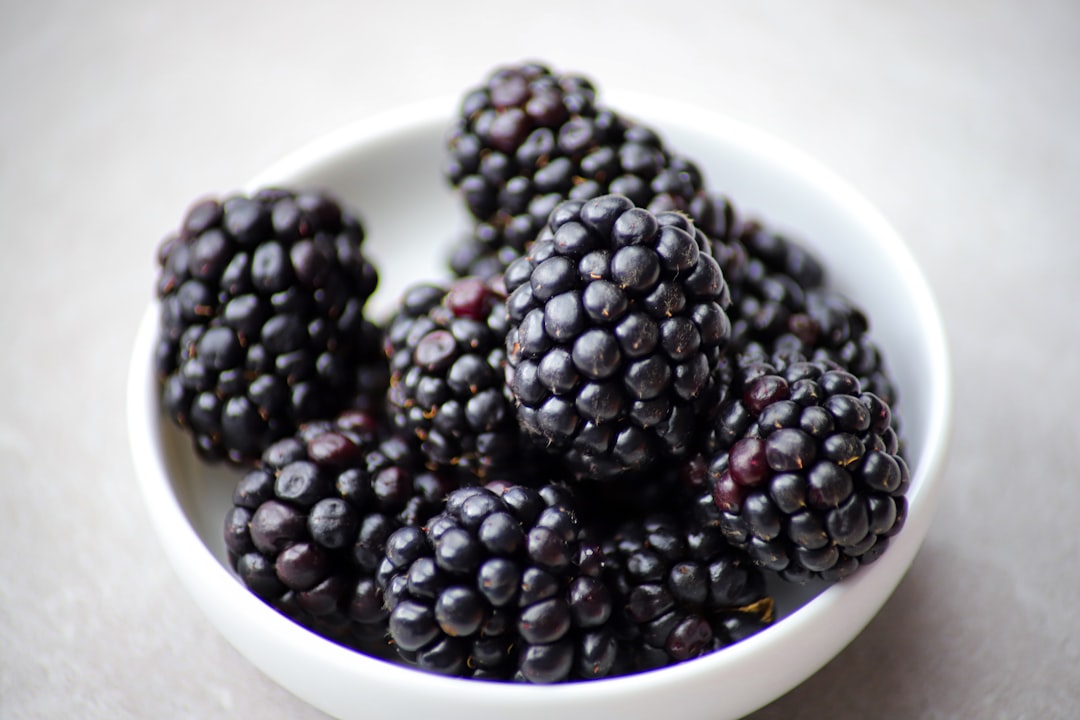
Flavanols are vital natural plant compounds linked to cardiovascular and cognitive health. You will find them in blueberries, blackberries, apples, and cocoa.
The chemical reaction is both immediate and surprisingly unforgiving in practice.
Lead author Javier Ottaviani and his team observed a striking discrepancy in absorption. Participants who consumed a banana-based drink experienced an 84 percent reduction in flavanol levels compared to a control group. The high polyphenol oxidase activity in bananas essentially neutralizes the very nutrients you are attempting to consume.
The internet reacted with predictable hysteria. One TikTok creator garnered over twelve million views expressing outrage.
Yet the scientific community urges a more nuanced reading of the text. UK surgeon Dr. Karan Rajan quickly pointed out the structural limitations of the initial trial. The 2023 study tested powdered cocoa flavonol against the banana enzyme rather than whole berries. The complex food matrix of a physical berry contains dozens of distinct polyphenol classes that were not explicitly measured in this nineteen person test.
Bad science communication often overshadows actual science.
The Academy of Nutrition and Dietetics recommends consuming up to 600 milligrams of flavanols daily for optimal cardiometabolic health. You can still achieve this metric without abandoning your preferred morning aesthetic. It simply requires a slight adjustment in your pairings.
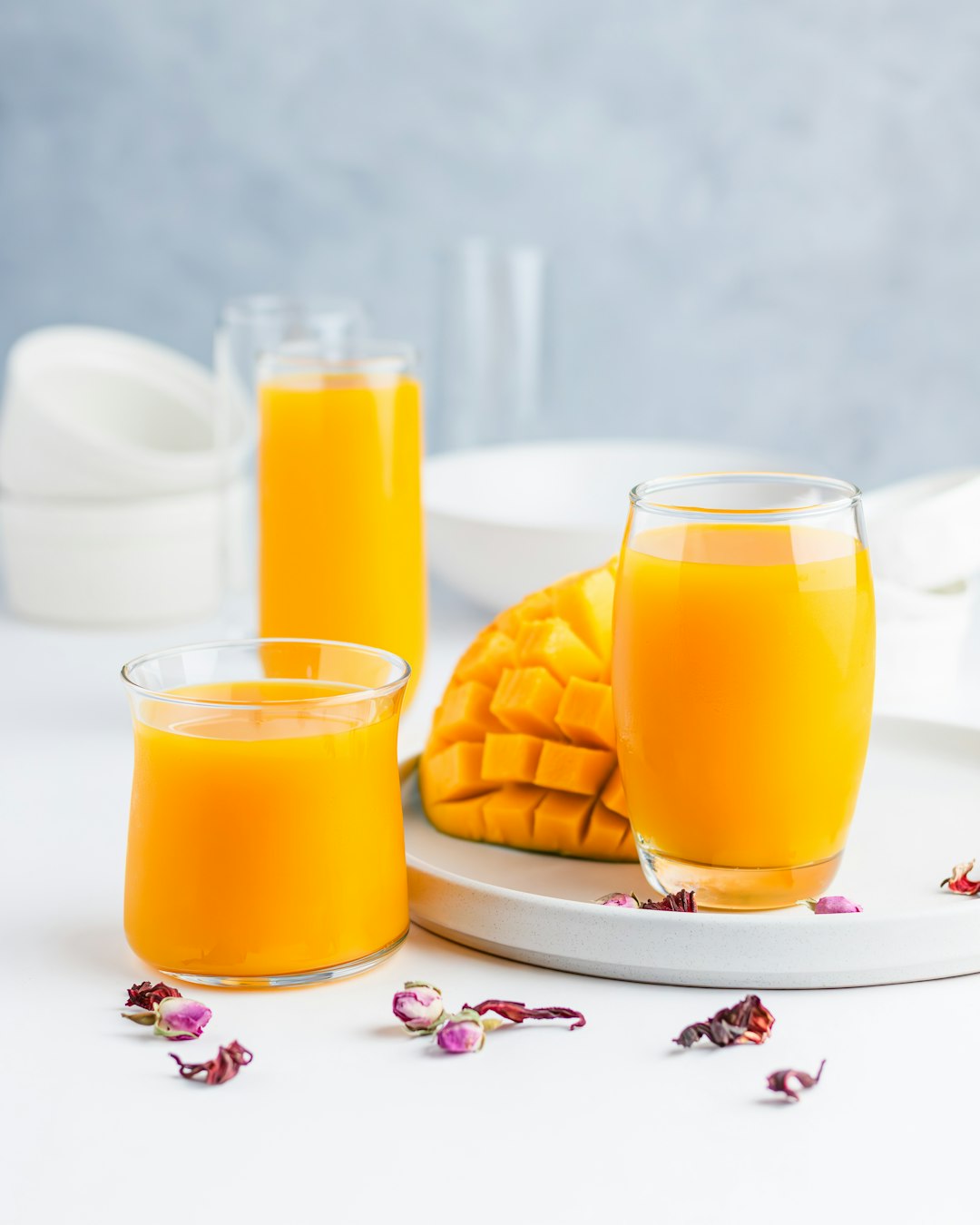
If your goal is to maximize the bioactivity of your blueberries or cocoa, you must seek out low PPO companions. Ottaviani suggests substituting the banana with pineapple, oranges, mango, or yogurt. These alternatives maintain the creamy texture and sweet profile of a classic blend while preserving the delicate flavanols. You are essentially swapping a clashing fabric for a complementary one.
Bananas remain an excellent source of potassium and fiber when consumed on their own.
Intelligent nutrition mirrors good design. It is not just about the individual components you select. The true value lies in how those elements interact. Separate your ingredients deliberately to maximize their biological potential.
The broader implications of this research extend far beyond the confines of the blender. Ottaviani noted that tea preparation is another area where polyphenol oxidase could severely alter nutrient absorption. The preparation methods we take for granted often dictate the biochemical reality of our meals. This emerging field of study focuses heavily on how plant bioactives behave in real time.
Recent trials investigating cocoa flavanols for cognitive support have produced equally layered results. Context and habitual diet quality matter deeply.
Do not let a singular headline dictate your entire nutritional philosophy.
Berries will always provide immense value regardless of their blender companions. They offer essential vitamins, manganese, and fiber that no enzyme can strip away. The conversation should shift from absolute restriction to intentional curation. You simply have to define your primary goal for the beverage.
A mindful approach to wellness requires us to look past the superficial appeal of daily convenience.
Frequently Asked Questions
Why shouldn't I put a banana in my berry smoothie?
Bananas contain high levels of an enzyme called polyphenol oxidase. This enzyme can significantly reduce the amount of flavanols your body absorbs from berries and cocoa.
Does blending a banana destroy all the nutrients in berries?
No. While it reduces the absorption of specific flavanols, the berries retain their fiber, vitamin C, folate, and manganese. Your drink remains highly nutritious.
What is the best substitute for bananas in a smoothie?
If you want to preserve flavanols, use fruits with low polyphenol oxidase activity. Excellent alternatives include mango, pineapple, oranges, and yogurt.
How many flavanols should I consume daily?
The Academy of Nutrition and Dietetics recommends 400 to 600 milligrams of flavanols per day. This supports cardiometabolic health and optimal blood flow.
Are bananas bad for my health?
Bananas are incredibly healthy and rich in potassium and fiber. The recent study only suggests eating them separately from flavanol-rich foods for maximum nutrient absorption.





Comments: