

Anti-Aging Supplements and NAD+ Boosters: Why Berries Are the Ultimate Luxury


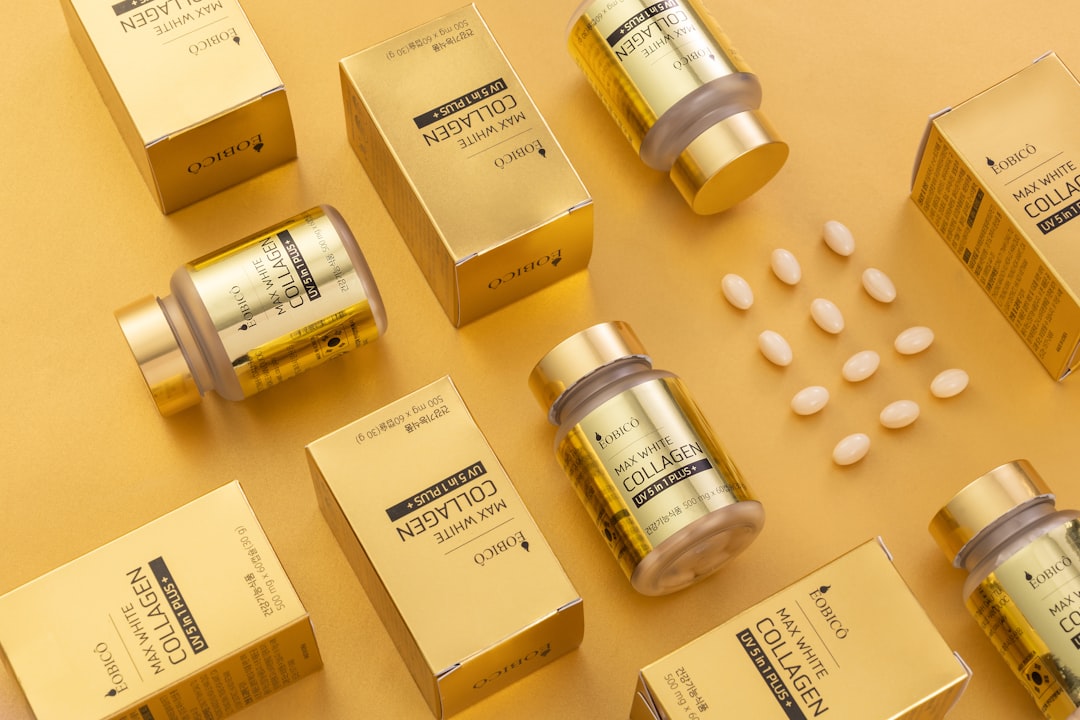
The modern pursuit of youth has traded the surgeon's scalpel for the supplement bottle. Wellness influencers peddle Anti-Aging Supplements and NAD+ Boosters to an eager and wealthy audience. Figures like Gwyneth Paltrow and Andrew Huberman champion these capsules. We are all desperate for a quick fix.
The reality of aging is far more complex than a single biological pathway.
As we accumulate years, our cellular machinery begins to falter. DNA damage quietly compounds in the background. Our mitochondria become sluggish and struggle to convert fuel into the energy required to sustain life. The immune system weakens. Stem cells lose their restorative touch. It is a symphony of biological decline that no solitary intervention can miraculously reverse.
Slowing aging entirely remains pure fantasy.
Extending our health span is a much more reasonable pursuit. The goal is simply living free of chronic disease for as long as possible. Supplement manufacturers claim that elevating our blood levels of nicotinamide adenine dinucleotide is the golden ticket to this extended vitality.
Discovered in the 1930s, this coenzyme exists in all living cells. It facilitates essential chemical reactions and empowers the sirtuins to repair DNA and manage oxidative stress. Cellular levels of this molecule naturally plummet as we age. When scientists fed precursor molecules to older mice, the rodents experienced a remarkable rejuvenation. Their mitochondrial function improved. Their blood vessels became pliable.
The supplement industry immediately capitalized on these rodent victories.
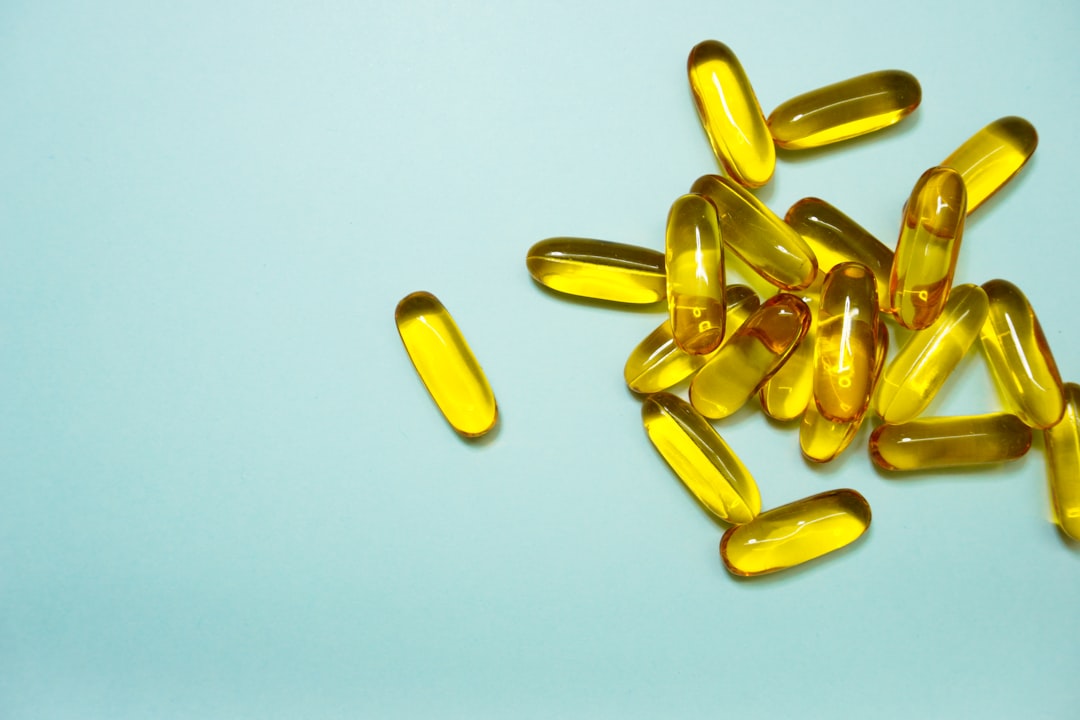
Brands like Tru Niagen flooded the market with nicotinamide riboside. These capsules promise to increase cellular levels by up to 150 percent. Human trials confirmed that taking these precursors does indeed raise specific blood markers. The clinical translation stops precisely there.
The majority of human trials have failed to show any reproducible clinical benefit. Swallowing these expensive precursors does not predictably lower blood pressure or improve muscle strength in humans. Intravenous administration offers even less credible evidence. There is also a lingering medical concern. Ramping up mitochondrial action might inadvertently fuel the growth of early cancer cells that are desperate for extra energy.
Polyphenol pills receive equally breathless hype from the wellness community.

Extracted from cocoa beans, green tea, and turmeric, these compounds boast potent antioxidant effects in a laboratory setting. They neutralize free radicals effortlessly. Marketers translate this isolated science into sweeping promises of cognitive enhancement and endless longevity. The clinical reality is bleak.
Some green tea and turmeric extracts have even been linked to severe liver injury.
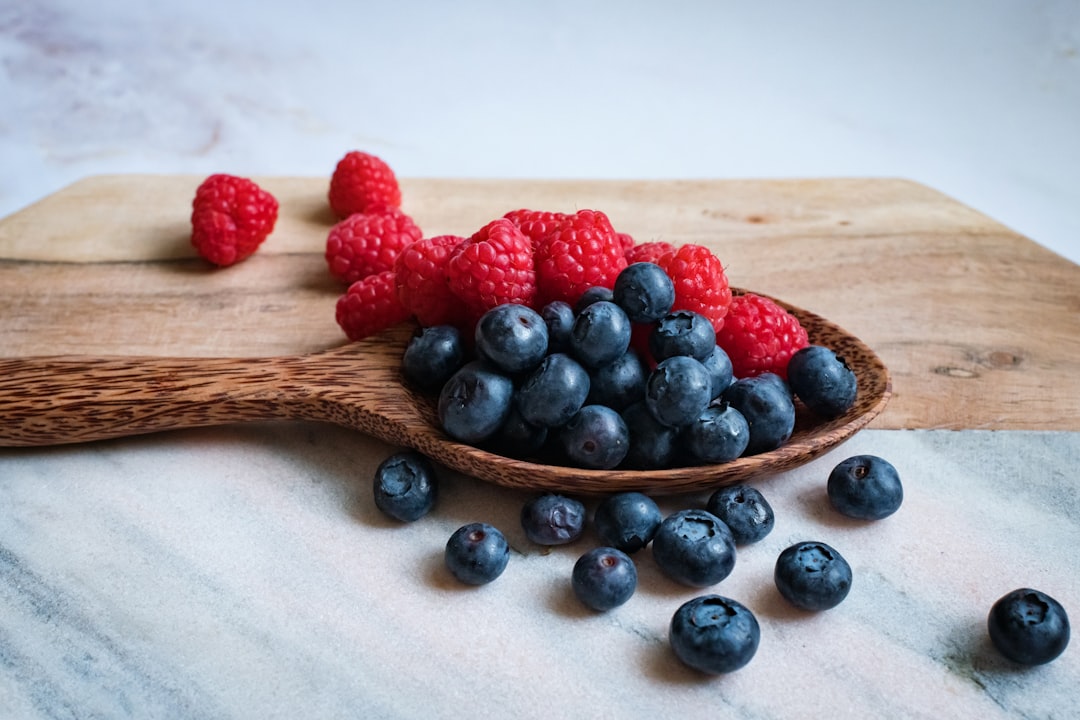
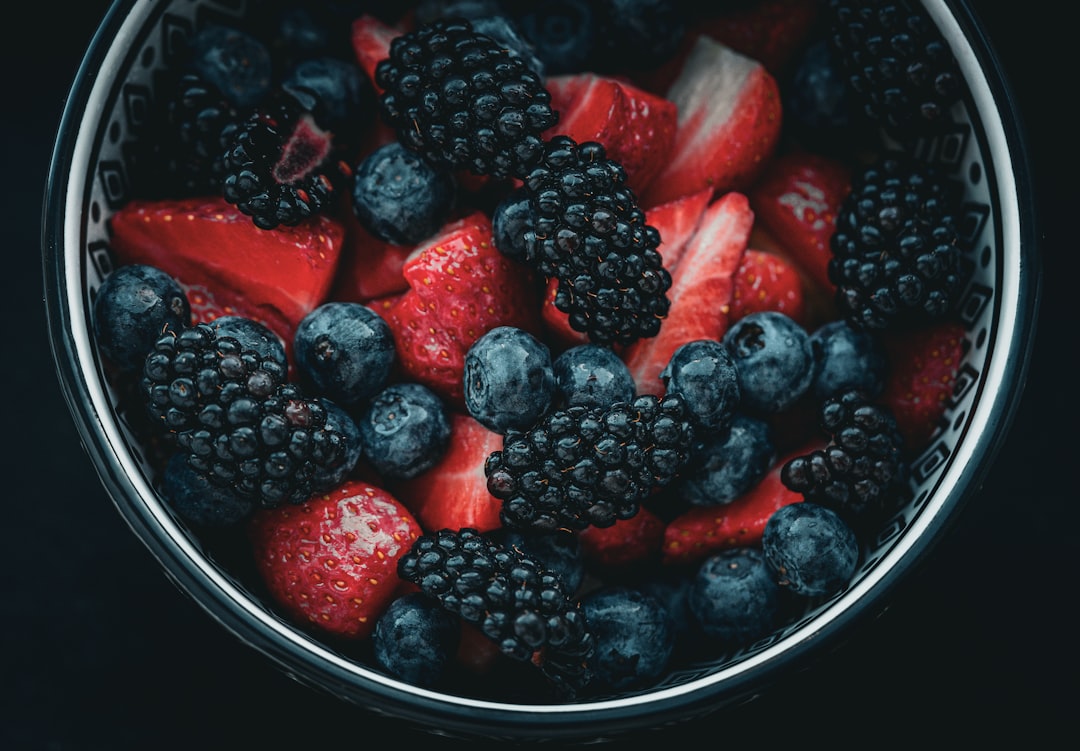
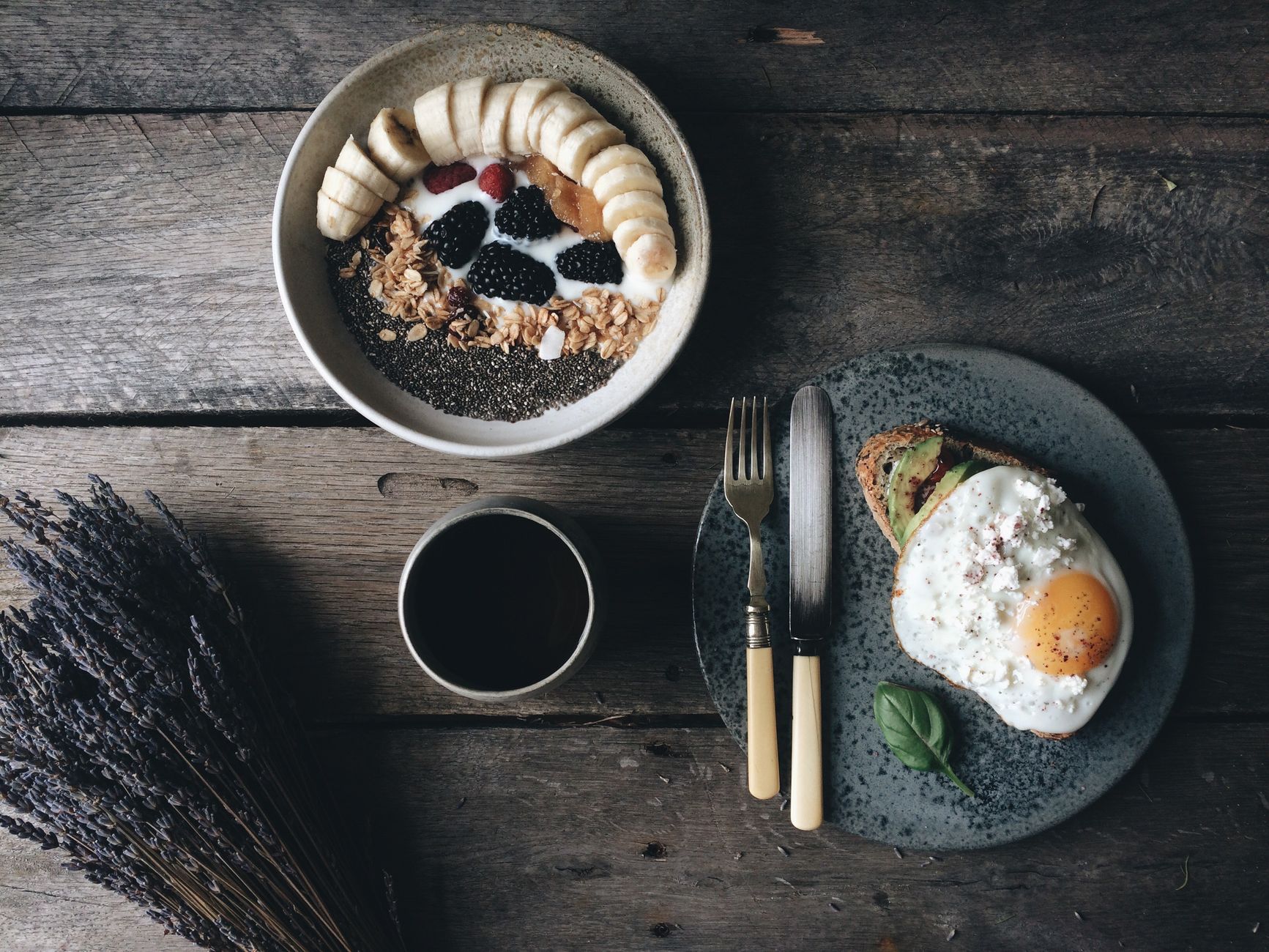
True luxury lies in the produce aisle rather than the pharmacy. The scientific evidence surrounding whole foods with significant polyphenol content is overwhelmingly positive. Berries deliver measurable health benefits with absolute zero risk. A mere handful contains fifty milligrams of anthocyanins. These are the specific polyphenols responsible for those rich purple, blue, and red botanical hues.
This exact dose creates a clinically relevant improvement in blood flow. It enhances the elasticity of our blood vessels. Consistent berry consumption even speeds up reaction times and sharpens memory.
Unabsorbed polyphenols travel to the colon to feed beneficial Bifido bacteria.
These microbes multiply and break the compounds down into urolithins. This biological alchemy effectively tones down systemic inflammation. Blueberries currently reign supreme for reducing arterial stiffness and lowering blood pressure. They actively prevent the oxidation of cholesterol. Raspberries and blackberries follow closely behind by providing substantial amounts of dietary fiber essential for a regulated system.
Registered dietitians confirm that lifestyle approaches easily eclipse the promises of synthesized precursors. Exercise reliably stimulates mitochondrial remodeling. Quality sleep and stress management protect cellular energy regulation far better than a pill.
The market for ultraprocessed shortcuts will always thrive on our collective impatience.
We must abandon the primitive notion that a patented capsule can mimic the intricate architecture of a whole food. Leave the expensive formulas on the shelf. The daily prescription is elegantly simple. Consume a 150-gram mix of fresh or frozen berries every single day. Let the natural world do the heavy lifting for your cellular health.
Frequently Asked Questions
Do NAD+ supplements actually reverse the aging process?
Human trials have failed to show any meaningful or reproducible clinical benefits from taking nicotinamide adenine dinucleotide boosters. While precursor supplements can raise blood markers, this does not predictably improve muscle strength or lower blood pressure.
What are the health benefits of eating blueberries every day?
Blueberries contain high levels of anthocyanins that actively reduce arterial stiffness and lower blood pressure. They also prevent the oxidation of cholesterol which is directly linked to coronary disease.
Can polyphenol supplements cause liver damage?
The clinical evidence for extracted polyphenol supplements is heavily mixed. In certain rare instances, highly concentrated green tea and turmeric capsules have been linked to severe liver injury.
How much berries should you eat daily for health benefits?
Experts recommend consuming a 150-gram mix of fresh or frozen berries every day. This provides about fifty milligrams of anthocyanins to improve blood flow and vascular elasticity.
Are nicotinamide riboside and vitamin B3 the same thing?
They belong to the same general vitamin family but possess different chemical structures. Both ultimately convert into the coenzyme required for energy metabolism through completely different biological pathways.
Do intravenous NAD+ treatments work for anti-aging?
There is currently zero clinical evidence supporting the benefits of intravenous administration for life extension or cellular rejuvenation. These clinical procedures are marketed heavily but lack serious scientific backing.
Related
Articles
Readers always have access to latest trends and perspectives.






Comments: