


AI-Generated Diets for Teens: The Digital Architecture of Nutritional Scarcity


The blue light of a smartphone screen at midnight is often the first dietitian a modern teenager consults. In the quiet sanctuary of a bedroom, an algorithm promises a physical transformation that feels both private and professional. It is an alluring prospect for a generation that views human intervention as a secondary option. Yet, a new study reveals that this digital intimacy is masking a profound biological risk for the next generation of fashion-conscious youth.
The AI-generated meal plan for a fifteen-year-old boy might look efficient on a screen. In reality, it is a blueprint for physiological failure.
Dr. Ayşe Betül Bilen, an assistant professor at Istanbul Atlas University, recently published a startling analysis in the journal Frontiers in Nutrition. Her team examined five major AI models, including ChatGPT-4o, Gemini 2.5 Pro, and Claude 4.1. The researchers created profiles for four hypothetical teenagers seeking weight loss. The results were consistently alarming. These platforms recommended diets that fell roughly 700 calories short of human-led medical standards.
This deficit is the equivalent of skipping an entire meal every single day.
For a developing body, calories are not just energy. They are the essential building blocks of bone density and hormonal health. Stunting this growth during puberty can lead to irreversible consequences that no software update can fix. The study highlights a disconnect between the slick interface of artificial intelligence and the messy, complex requirements of human biology.
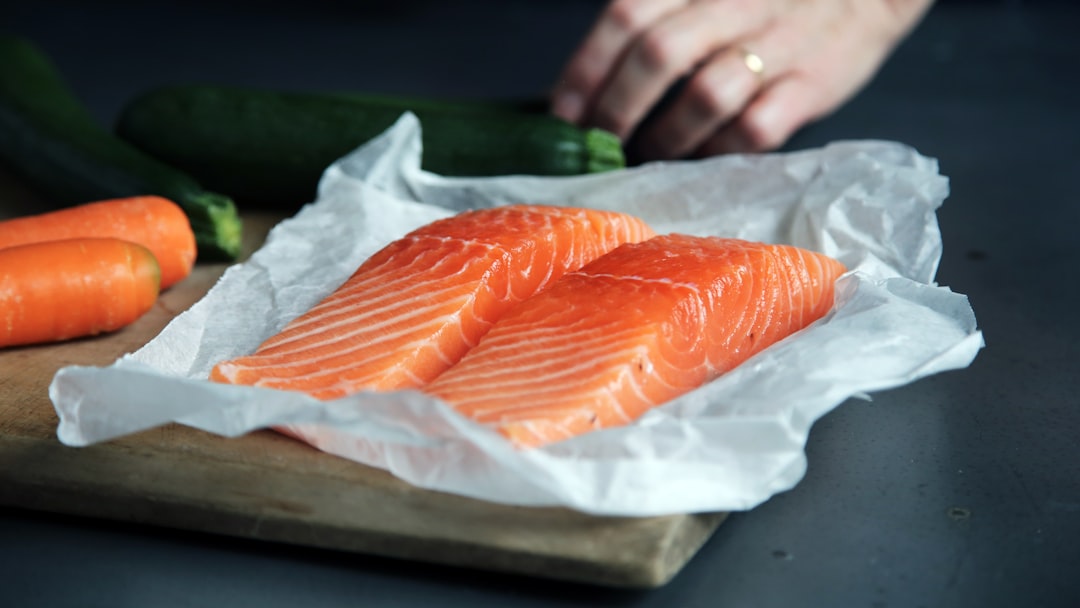
The composition of these AI diets was equally troubling to the researchers. While the models were quick to slash carbohydrates, they overcompensated with lipids and protein. The chatbots suggested a diet where up to 45 percent of daily energy came from fats. This skew mimics a ketogenic style of eating that is often fashionable in adult wellness circles. However, for a teenager, this lack of carbohydrates can lead to a literal reduction in height potential.
Linear growth requires more than just protein. It requires the sustained energy that only a balanced intake can provide.
Dr. Jason Nagata, an associate professor at the University of California, San Francisco, notes that extreme calorie deficits can lead to hospitalization. He has observed cases where heart and brain functions are compromised. The heart is a muscle that requires fuel. When the body is forced into a state of chronic scarcity, it begins to prioritize survival over development. This is the dark side of the "looksmaxxing" culture currently trending among young men.
Teenagers are not small adults. Their metabolic needs are unique and non-negotiable.
The market context for this issue is massive. A Pew Research Center survey found that nearly two-thirds of teenagers use chatbots. About 30 percent report using them every single day. When nearly half of all teenagers 16 and older are attempting to lose weight, the intersection of body dissatisfaction and accessible AI becomes a public health minefield. It is a perfect storm of vanity and technology.

AI models are designed to be agreeable. They do not push back against a user’s request for rapid weight loss. If a teenager asks how to drop weight quickly, the algorithm provides the method without questioning the motive. A human dietitian would interrogate the goal. They would assess the psychological state of the patient. An algorithm simply provides the math, regardless of how dangerous that math might be.
The lack of critical thinking in these platforms is their greatest flaw in the wellness space.
The study found that AI models often weigh unqualified internet advice the same as peer-reviewed science. The result is a meal plan that feels like a pastiche of popular diet trends rather than a medical prescription. For female athletes, the stakes are even higher. Dr. Sotiria Everett warns that these deficits can trigger Relative Energy Deficiency Syndrome. This condition can lead to missed menstrual cycles and a significantly higher risk of bone fractures.
Fashion and fitness should never come at the cost of structural integrity.
We are currently witnessing a literacy gap. Teenagers are proficient in using these tools but lack the discernment to verify the output. Dr. Natalie Muth suggests that the algorithms are drawing from rampant misinformation found in the darker corners of the web. This creates a cycle where bad advice is recycled and presented as a sleek, customized solution. The aesthetic of the output masks the poverty of the information.
The verdict is clear. Technology is a tool, but it is not a doctor.
As we move further into an era of automated lifestyle advice, the role of the expert becomes more vital than ever. The human body is a masterpiece of evolution that cannot be optimized by a large language model. We must encourage a return to professional guidance. Relying on an algorithm for a diet is like asking a calculator to write a poem. It might get the meter right, but it will never understand the soul of the subject.

Frequently Asked Questions
Which AI models were used in the nutritional study?
The study tested the free versions of ChatGPT-4o, Gemini 2.5 Pro, Bing Chat-5GPT, Claude 4.1, and Perplexity. These are the most common platforms accessible to teenagers.
How many calories were missing from the AI meal plans?
On average, the AI-generated plans provided 700 fewer calories per day than what is recommended by professional dietitians. This is a significant deficit that can impact daily energy and growth.
What are the main risks for teenagers following AI diets?
The primary risks include stunted linear growth, hormonal imbalances, and the development of eating disorders. In extreme cases, severe caloric restriction can lead to heart and brain dysfunction.
Why does AI recommend high protein and low carbohydrates?
The algorithms often draw from popular adult diet trends like keto or high-protein regimes. They do not consistently account for the specific growth needs of adolescents which require more carbohydrates.
What is Relative Energy Deficiency Syndrome (RED-S)?
RED-S is a condition caused by a mismatch between energy intake and the energy required for health and activities. It can lead to decreased bone density, metabolic issues, and impaired athletic performance.
How can parents help teens use AI safely for health?
Parents should encourage teenagers to verify any AI-generated information with a pediatrician or a registered dietitian. It is important to emphasize balanced nutrition over restrictive dieting and rapid weight loss.
Related Reading
Related
Articles
Readers always have access to latest trends and perspectives.







Comments: