

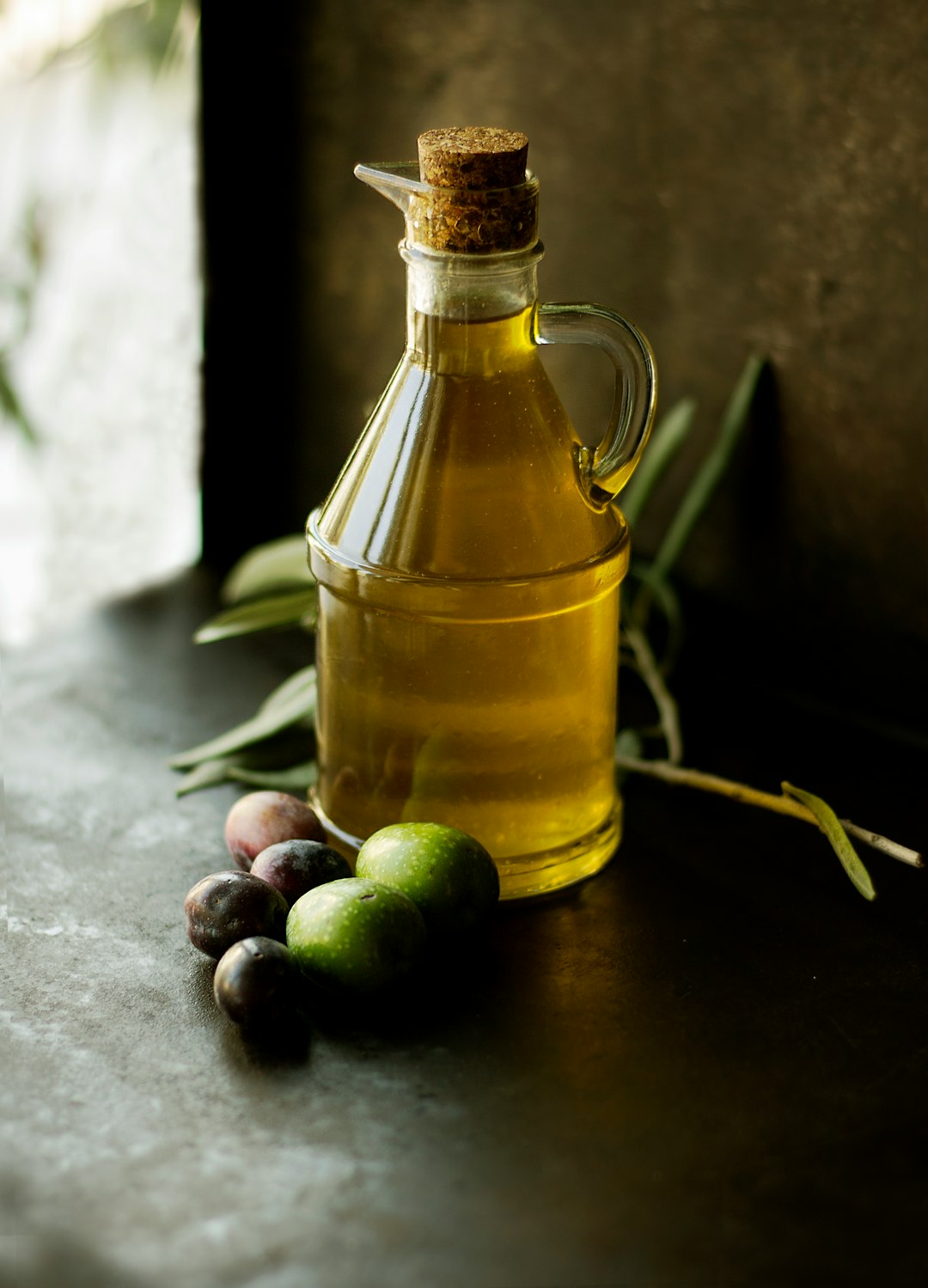
A Cardiologist Says You’re Probably Using Too Much Olive Oil: This $6 Tool Helps Nail Your Target Dose


The kitchen is the final frontier of precision. We measure our espresso to the gram and our sourdough hydration to the percentage. Yet, when it comes to the cornerstone of the Mediterranean diet, we are surprisingly reckless. Most home cooks treat olive oil like a casual accessory rather than a potent ingredient. They tilt the bottle with a heavy hand, letting the "liquid gold" glug freely over pans and salads. According to Dr. Rohit Vuppuluri, a double board-certified cardiologist, this lack of discipline is exactly where our heart-healthy intentions go awry.
You are likely using far more than you realize. While the health benefits of extra-virgin olive oil are indisputable, its caloric density remains a mathematical reality. A single tablespoon contains approximately 119 calories. When you free-pour from a wide-mouthed bottle, you are not just adding flavor. You are potentially adding hundreds of unmeasured calories to a single meal.
The solution is not to abandon the oil. It is to master the pour. Dr. Vuppuluri suggests that the target dose for cardiovascular protection is between one and two tablespoons per day. Achieving this requires a level of control that the standard bottle cap simply cannot provide.

Enter the $6 olive oil pour spout. It is a humble piece of hardware that acts as a gatekeeper for your heart health. By replacing the original screw cap with a tapered, stainless steel spout, you transform a chaotic flow into a deliberate stream. This tool allows for a "slow pour" that is easy to time and measure. It turns a culinary guessing game into a ritual of accuracy.
These spouts are not just about restriction. They are about the integrity of the product. High-quality extra-virgin olive oil is a volatile substance. It is sensitive to oxygen, light, and heat. Many $6 spouts, such as those found on Amazon or at specialty kitchen shops, feature a flip-top or a weighted cap. This mechanism seals the bottle immediately after the pour, protecting the precious polyphenols from oxidation.
Market context is everything. We are currently seeing a massive shift in how we perceive healthy fats. The rise of the Mediterranean diet as a global gold standard has made olive oil a luxury staple. Brands like The Mediterranean Dish, founded by Suzy Karadsheh, have turned "liquid gold" into a lifestyle. Karadsheh often discusses how the oil promotes fullness and reduces the urge for processed snacks. It is a sentiment echoed by experts who link olive oil to the release of GLP-1, the same hormone targeted by modern weight-loss medications.

However, biology is short-lived. Joseph Zucchi, a physician assistant specializing in obesity medicine, notes that the body's natural GLP-1 signal only lasts a few minutes. To maximize the metabolic benefits, the oil must be part of a consistent, measured habit. This is where the pour spout becomes an essential piece of medical equipment for your pantry. It bridges the gap between a "health trend" and a sustainable medical protocol.
The craft of the oil itself matters just as much as the tool. Extra-virgin olive oil is the highest grade available. It is cold-pressed and minimally processed, which preserves the antioxidants and anti-inflammatory compounds. Professor Tim Spector, co-founder of Zoe, points to the PREDIMED study as proof of the oil's power. Participants who consumed roughly four tablespoons a day showed significant reductions in heart disease and stroke. But for the average person not enrolled in a clinical trial, those four tablespoons can easily become eight without a spout.
The aesthetic of the pour spout also satisfies the modern editor’s eye. There is something inherently sophisticated about a dark glass bottle fitted with a gleaming metal tip. It speaks to a kitchen that values both form and function. It suggests that the person cooking is someone who understands the nuances of flavor and the necessity of discipline.

Cost is rarely a barrier to better health in this instance. For the price of a latte, you can calibrate your entire diet. The $6 tool is a rare example of a low-tech solution to a high-stakes health problem. It removes the friction of measurement. You no longer need to dirty a measuring spoon every time you sauté vegetables or dress a salad. You simply count the seconds of the pour.
Ultimately, the verdict is clear. Heart health is built on small, repeatable actions. It is found in the few seconds it takes to attach a spout to a bottle. It is found in the discipline of the two-tablespoon limit. By controlling the flow, you ensure that your "liquid gold" remains a benefit rather than a burden.
Frequently Asked Questions
Why does a cardiologist recommend a pour spout for olive oil?
A pour spout provides a controlled, narrow stream that prevents "free pouring," which often leads to consuming more calories than intended. Dr. Rohit Vuppuluri notes that most people use far more than the recommended one to two tablespoons per day because standard bottle openings are too wide for precision.
How many calories are in a tablespoon of olive oil?
A single tablespoon of olive oil contains approximately 119 to 120 calories. Because it is a calorie-dense fat, unmeasured pouring can easily add 300 to 400 extra calories to a meal without the cook realizing it.
Does a pour spout help keep olive oil fresh?
Yes. Many $6 spouts come with a flip-top or weighted lid that automatically closes after pouring. This helps minimize the oil's exposure to oxygen, which prevents oxidation and preserves the heart-healthy polyphenols and antioxidants found in extra-virgin olive oil.
What is the "target dose" of olive oil for heart health?
While recommendations vary, many cardiologists and studies, including the PREDIMED trial, suggest a target of 1.5 to 4 tablespoons of extra-virgin olive oil per day. Using a spout helps users hit this range accurately without overshooting their daily caloric needs.
Can I use any pour spout for my olive oil bottle?
Most olive oil bottles use a standard neck size that fits universal stainless steel pour spouts. It is recommended to choose a spout made of food-grade stainless steel with a rubber or silicone bung to ensure a tight, leak-proof seal.
Is taking a shot of olive oil better than using it in food?
There is no medical evidence that drinking olive oil on an empty stomach provides more benefits than consuming it with food. In fact, experts like Dr. Heather Shenkman suggest that using it as a dressing or cooking medium is better for digestion and satiety.
What should I look for when buying a $6 pour spout?
Look for a spout with a tapered nozzle for a steady flow and a protective cap or "dust flap." Stainless steel is preferable over plastic as it is more durable and does not react with the acidity of the oil.
Related
Articles
Readers always have access to latest trends and perspectives.






Comments: