

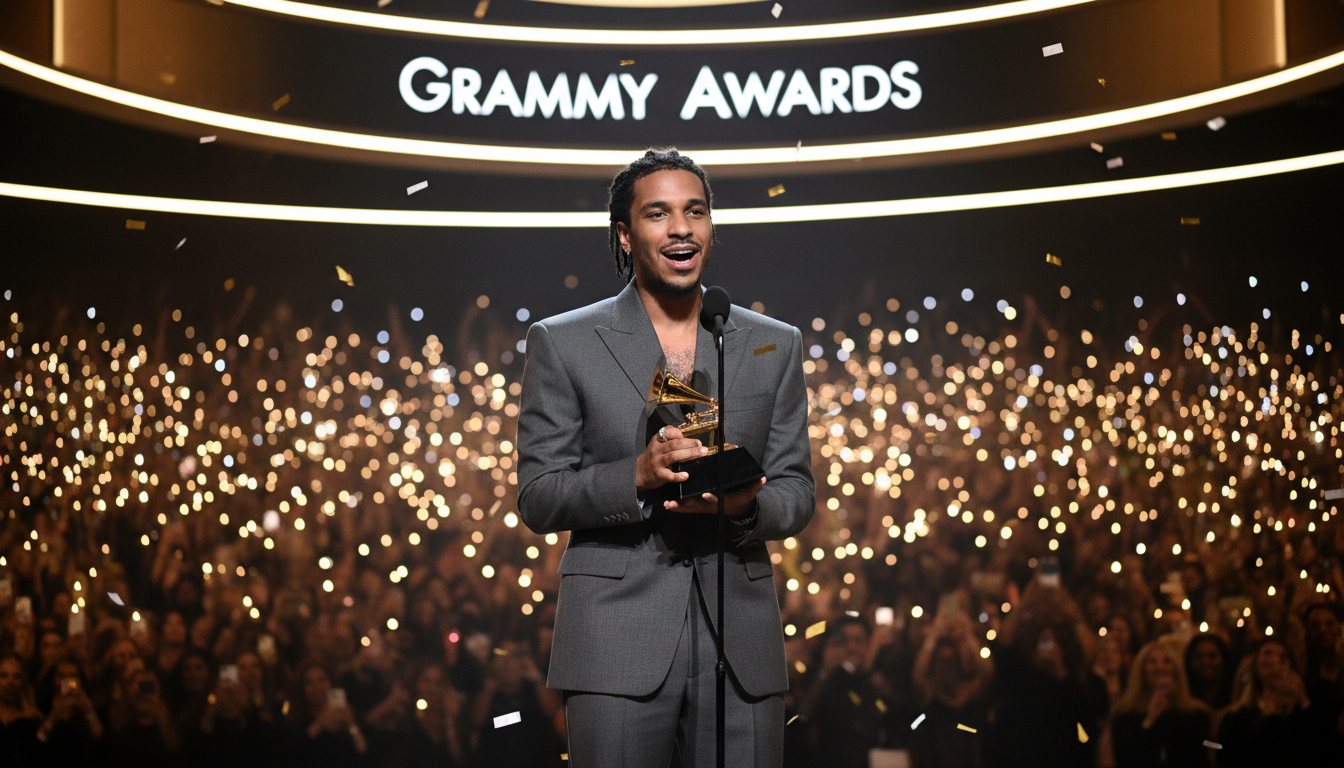
68th Grammy Awards: The Resilience of the Spanish Lyric and the "ICE OUT" Mandate


The 68th Grammy Awards held at the Crypto.com Arena in Los Angeles on Sunday night was never going to be a quiet affair. Music ceremonies often flirt with social commentary. This year, the industry chose to speak through the tiny medium of the "ICE OUT" pin and the thunderous success of Bad Bunny. It was a night defined by the intersection of aesthetic precision and raw policy debate.
Performers arrived in custom couture. Yet the most significant accessory was a small black-and-white circle pinned to lapels and silk gowns.
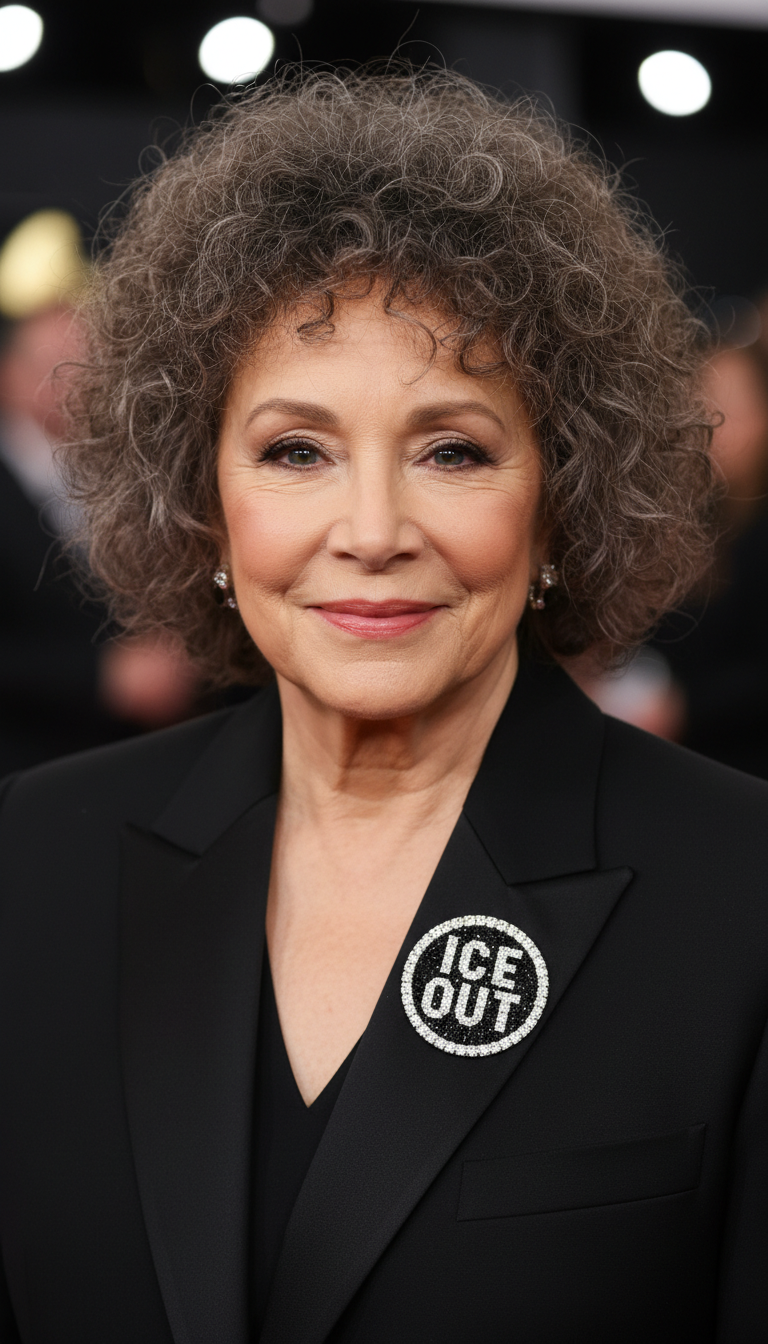
The "ICE OUT" campaign, organized by Working Families Power, emerged as the visual leitmotif of the evening. It was a direct response to the recent killings of protesters in Minneapolis. We saw these pins on Billie Eilish, Olivia Rodrigo, and most notably, Carole King. King wore a version significantly larger than her peers while presenting song of the year. This was fashion as a signaling tool. It bypassed the teleprompter entirely.
Bad Bunny did not need a pin to make his presence felt.
The Puerto Rican superstar made history by winning Album of the Year for his project, Debí Tirar Más Fotos. This was the first time an all-Spanish album secured the top honor in the sixty-eight-year history of the Recording Academy. His victory was both a cultural milestone and a defiant rebuttal to the current political climate. He used his acceptance speech to remind the audience that he is a human being and an American.
The evening was hosted by Trevor Noah for the sixth and final time. His performance was sharp. He targeted the administration with a series of biting jokes regarding Greenland and private islands. These remarks did not go unnoticed. President Trump took to Truth Social to label the ceremony unwatchable and threatened legal action against the comedian.
This tension is not merely theatrical. It exists within a precarious market context for the network.
CBS and its parent company, Paramount, have recently navigated complex legal waters with the administration. This includes a sixteen million dollar settlement over an interview edit. The cancellation of late-night programming critical of the president suggests a network in a defensive crouch. Yet the artists on stage ignored these corporate anxieties. They spoke with a level of autonomy that the producers seemed hesitant to match.
Kendrick Lamar quietly dominated the technical categories. He walked away with five trophies.
His album GNX reinforced his position as the most consistently brilliant voice in rap history. While Bad Bunny took the top prize, Lamar solidified the night’s theme of critical excellence. He has now amassed twenty-seven Grammy wins. This is a staggering number for an artist who refuses to dilute his message for mainstream comfort. The juxtaposition of his technical mastery and the evening’s political fire created a potent atmosphere.

Billie Eilish secured Song of the Year for "WILDFLOWER." This was her third win in the category. Her speech was blunt. She used profanity to condemn Immigration and Customs Enforcement. The television broadcast censored the audio. However, the message reached the digital sphere almost instantly. It was a reminder that the live telecast is no longer the sole arbiter of a moment’s impact.
The craft of the performances remained high.
Lady Gaga transformed the stage into a magic-infused wonderland for her performance of "Abracadabra." She navigated seven nominations and won Best Pop Vocal Album. Her set involved several disappearing acts that functioned as a metaphor for the shifting nature of her own celebrity. She remains a producer of spectacle who understands the technical requirements of a stadium-sized audience.
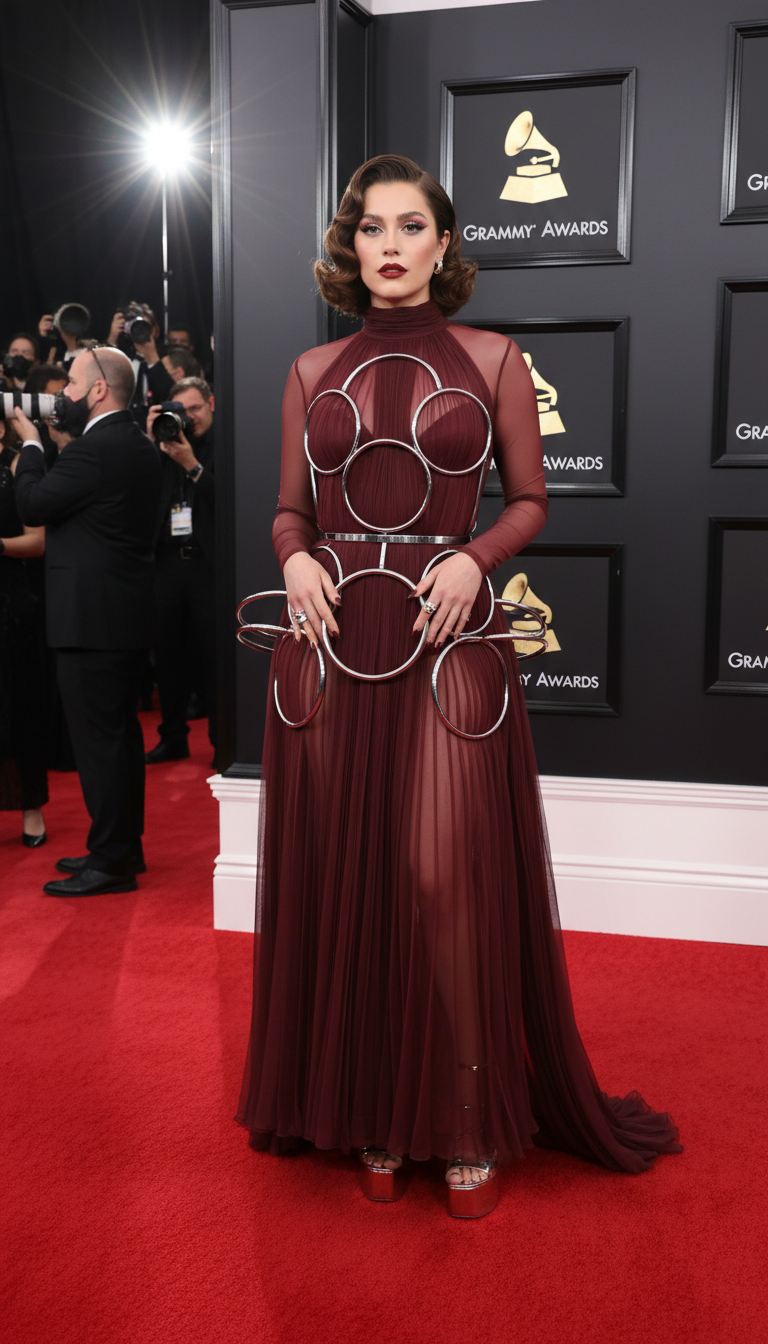
Style choices varied from the minimalist to the extreme. Chappell Roan opted for a sheer burgundy frock held by nipple rings. Justin Bieber performed in silvery blue silk boxers. These were visceral displays of skin that contrasted with the more somber political undertones of the night. It was a study in contradictions. The industry is currently caught between the desire for escapist glamour and the necessity of social relevance.
The In Memoriam segment provided a needed grounding.
Post Malone led a tribute to Ozzy Osbourne. He was joined by Slash and Chad Smith for a rendition of "War Pigs." The camera focused on the Osbourne family in the audience. It was a rare moment of genuine emotion in a night otherwise fueled by adrenaline and advocacy. Lauryn Hill and Wyclef Jean also reunited to pay homage to the late D’Angelo. Their performance of "Killing Me Softly" felt like a bridge to a different era of the Recording Academy.
Bad Bunny now prepares for the Super Bowl halftime show. This performance is already a point of contention for conservative politicians. The victory on Sunday serves as a prelude to what will likely be the most scrutinized fifteen minutes of his career. He has proven that the work can speak for itself. He has forced the industry to listen in his own language.
Frequently Asked Questions
What does the ICE OUT pin mean at the Grammys?
The pins are part of a campaign by Working Families Power to protest the tactics of Immigration and Customs Enforcement. They were worn by artists to show solidarity with immigrants following the deaths of protesters in Minneapolis. The movement seeks to highlight the human rights concerns associated with current immigration enforcement policies.Did Bad Bunny make history at the 2026 Grammys?
Yes. Bad Bunny won Album of the Year for Debí Tirar Más Fotos. This is the first time in the sixty-eight-year history of the Grammy Awards that an album recorded entirely in Spanish has won the top prize. He also won the award for Best Música Urbana Album during the ceremony.Why is Donald Trump threatening to sue Trevor Noah?
President Trump expressed his frustration on Truth Social regarding Trevor Noah's hosting of the 68th Grammy Awards. Noah made several jokes targeting the president's policies and personal interests. Trump characterized the show as unwatchable and stated he would have some fun with Noah in a legal context.Who were the top winners of the night?
Kendrick Lamar was the most awarded artist of the night with five wins including Best Rap Album for GNX. Bad Bunny followed with significant wins in the Album of the Year and Best Música Urbana categories. Billie Eilish and Finneas also made history by winning Song of the Year for the third time.Which celebrities were seen wearing the ICE OUT pins?
A wide range of artists wore the pins including Billie Eilish, Olivia Rodrigo, and Kehlani. Legend Carole King wore a notably large version of the pin while presenting an award. Other supporters included Justin Bieber, Joni Mitchell, and several members of the Best New Artist nominee class.What happened during the Record of the Year presentation?
Cher presented the award for Record of the Year but initially appeared to misread the envelope. She mistakenly named the late Luther Vandross before the award was correctly presented to Kendrick Lamar and SZA for their song luther. The moment was briefly awkward but ultimately celebrated Lamar's continued dominance.Related
Articles
Readers always have access to latest trends and perspectives.





Comments: