

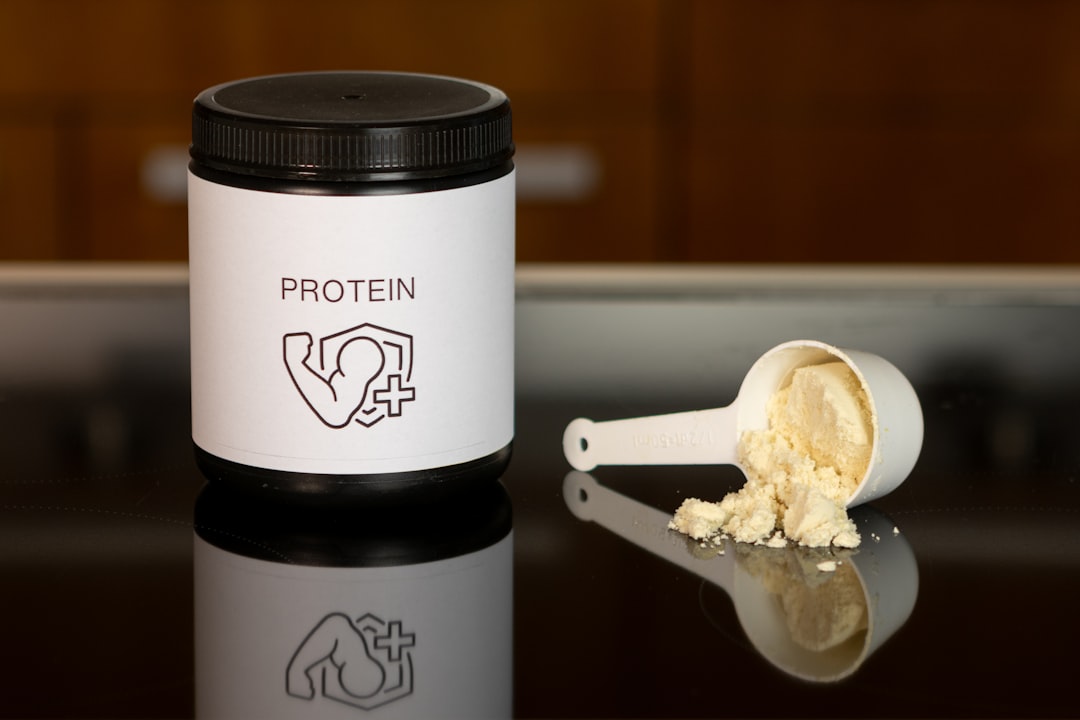
3 Truths & 1 Lie About Protein: The Architecture of a Modern Body


Cambridge University operates on centuries of quiet tradition. Yet in June 2026, a newly published paper completely shattered our polite illusions about diet, forcing us to confront 3 Truths & 1 Lie About Protein. Dr. Chris Macdonald delivered a definitive reality check on human vitality.
The study in Frontiers in Nutrition tackles a global complacency. For decades we have treated the bare minimum as a target. Public health guidelines from the National Health Service were designed in 1991 simply to prevent the body from cannibalizing its own tissue. They were never meant to optimize human health. This minimal approach leaves millions vulnerable to age-related decline.
We have normalized extreme frailty instead of actively fighting it.
To understand this structural failure, we must separate fact from fiction. The wellness industry thrives on selling us beautiful lies. Let us dissect the fundamental truths and the grand lie about our dietary foundations.

The first truth is that current recommendations are vastly inadequate for an active life. Macdonald points out that pregnant women and older adults require significantly more fuel. Age-related muscle loss correlates with a massive eighty percent increased risk of fractures. Doubling the standard protein intake has been shown to radically improve muscle mass and daily function in older populations.
You cannot build a resilient structure with insufficient materials.
The second truth involves the mechanics of weight management. Protein actively supports fat loss through thermogenesis. The body burns more calories simply digesting it compared to carbohydrates. It also triggers essential satiety hormones that prevent overeating.
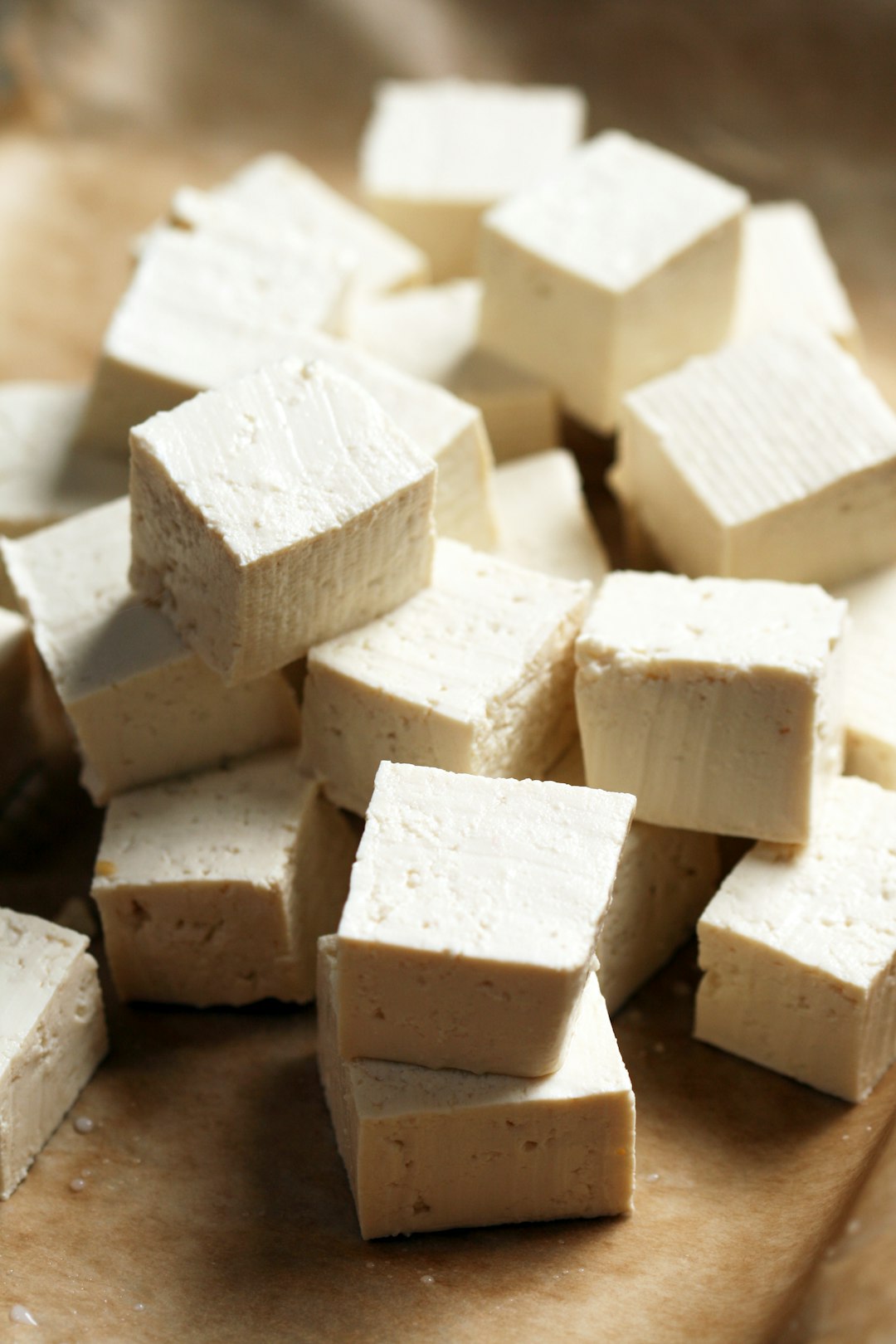
The third truth addresses the plant-based lifestyle. Veganism is often praised for its ethical purity. Yet a large Oxford study linked vegan diets to higher fracture risks. A thoughtful approach is mandatory here. Followers must seek out complete plant sources like tofu to meet these demanding new targets. Less processed sources matter just as much as hitting the final numeric goal.
Ethics alone will not preserve your bone density. Planning is everything.
This brings us to the great lie. The prevailing myth insists that high protein intake is exclusively for bodybuilders. Society has wrongly linked intensive exercise and dense nutrition to superficial aesthetics.
Macdonald dismantles this prejudice with brutal efficiency. Very low cardiovascular fitness carries a four hundred percent higher risk of death. Smoking carries only a fifty percent increase by comparison. High-intensity training in middle age reversed structural signs of cardiac aging by two decades. These habits are not about chasing a beach body. They empower the general public to retain their independence and memory.
We must fundamentally stop equating physical strength with mere vanity.
A sedentary lifestyle comes with an incredibly steep price. Treating physical decline as the inevitable work of Father Time is a costly mistake. We are witnessing the consequences of non-evidence-based living on a massive global scale.
Governments must urgently rewrite these outdated policies. Macdonald recommends a practical target of roughly thirty grams per meal for an average adult. This is not medical advice but a plea for elevated standards. We need clear and actionable targets to reclaim our healthspan. The reduction in unnecessary human suffering would be profound if we simply raised our expectations.
The stagnant era of the bare minimum is now officially over.
The research clearly acknowledges certain limitations within dietary science. Most nutritional studies rely heavily on self-reported data and small sample sizes. Isolating the specific effects of one nutrient remains an intricate challenge.
Omnivores often display higher rates of smoking and alcohol consumption in epidemiological studies. This naturally complicates direct comparisons with cleaner vegetarian lifestyles. The University of Cambridge paper urges caution for those with existing kidney conditions. Anyone transitioning from a sedentary life to vigorous movement must consult a clinician and build their capacity gradually over time.
Science requires nuance, but the central thesis remains absolute.
True luxury is found in a body that works flawlessly. Optimizing your daily intake is the ultimate investment in your future self. We deserve guidelines that reflect ambition rather than mere survival.
Frequently Asked Questions
What is the current recommended daily protein intake based upon?
Current UK guidance was established in 1991. It focuses purely on the minimum amount needed to prevent the body from breaking down its own tissue in sedentary adults.
Does a high protein diet help with fat loss?
Yes. Protein increases fullness by triggering satiety hormones. It also burns more calories during digestion compared to carbohydrates or fat.
Can vegans get enough protein for optimal health?
Vegans can meet high protein targets through careful meal planning. Complete plant sources like tofu are essential. Unplanned vegan diets have been linked to higher fracture risks due to inadequate nutrient intake.
Why is low cardiovascular fitness considered dangerous?
Low fitness is linked to a roughly four hundred percent higher risk of death compared to high fitness levels. This massive risk increase is significantly higher than the risks associated with smoking.
Is high-intensity exercise safe for middle-aged adults?
High-intensity training can effectively reverse signs of cardiac aging in middle-aged individuals. However, previously sedentary adults should consult a clinician. They must build up their exercise tolerance gradually.
How much protein per meal should an average adult consume?
Dr. Chris Macdonald suggests a practical target of roughly thirty grams of protein per meal across four meals. This totals approximately one hundred and twenty grams daily for a person weighing one hundred and seventy-five pounds.
Related
Articles
Readers always have access to latest trends and perspectives.







Comments: