

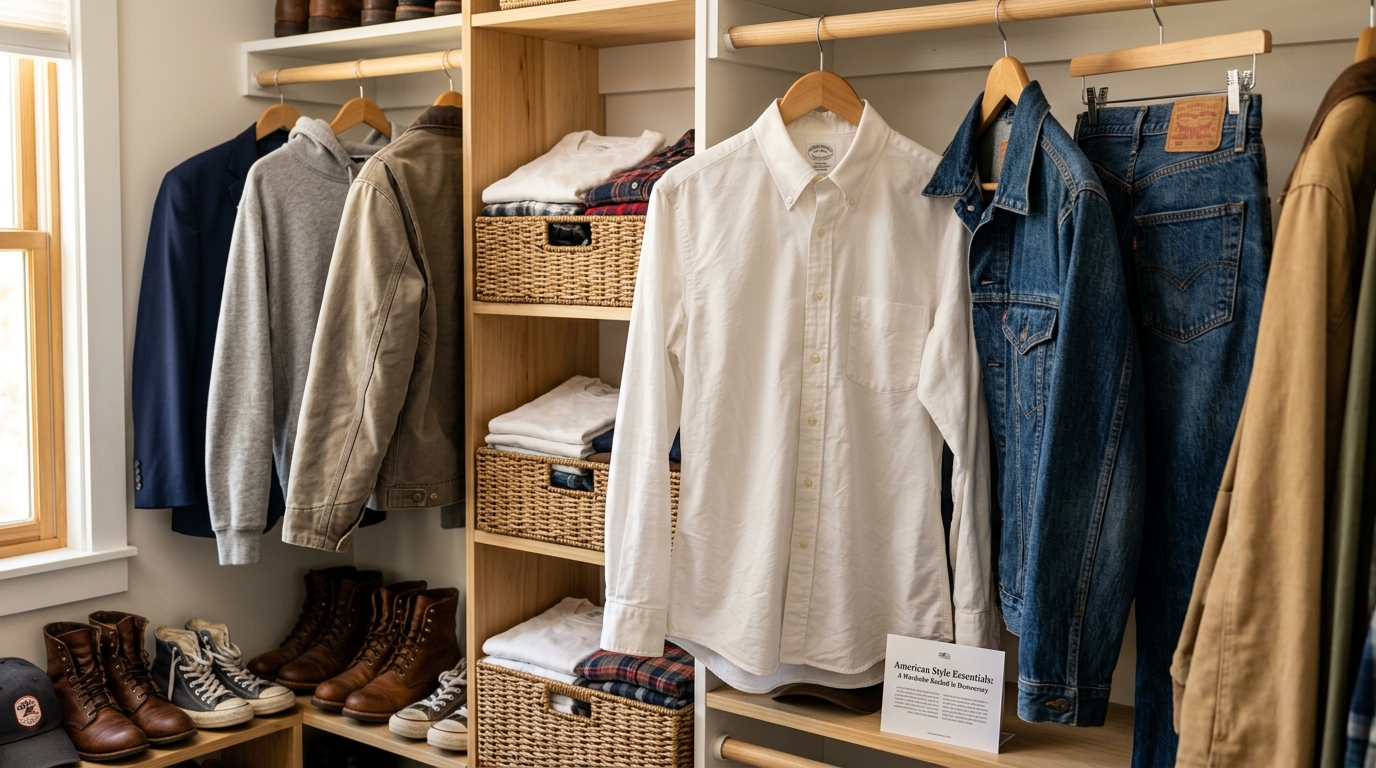
25 American Style Essentials Every Closet Needs: The Architecture of Utility


The 25 American Style Essentials Every Closet Needs represent a profound shift in global dressing. As the 250th anniversary of the United States approaches, we must look at the garments that built this nation. It is a wardrobe rooted in democracy.
Fashion here is not a quiet luxury whispered in Parisian salons. It is an industrial roar of cotton, canvas, and vulcanized rubber.
When Pauline Trigère arrived in New York in 1937, she immediately noticed the supreme quality of mass-produced tailoring. American style was never about dressing the elite. It focused on outfitting the worker, the rebel, and the executive with equal respect. This philosophy transformed utility into a universal language. Workwear evolved into a cultural uniform recognized across the globe today.
Function always dictates the form within this retail market.
Consider the Brooks Brothers button-down collar shirt. Introduced in 1896, it remains an absolute masterpiece of accessible tailoring. The crisp white cotton poplin drapes flawlessly. It bridges the gap between eras.
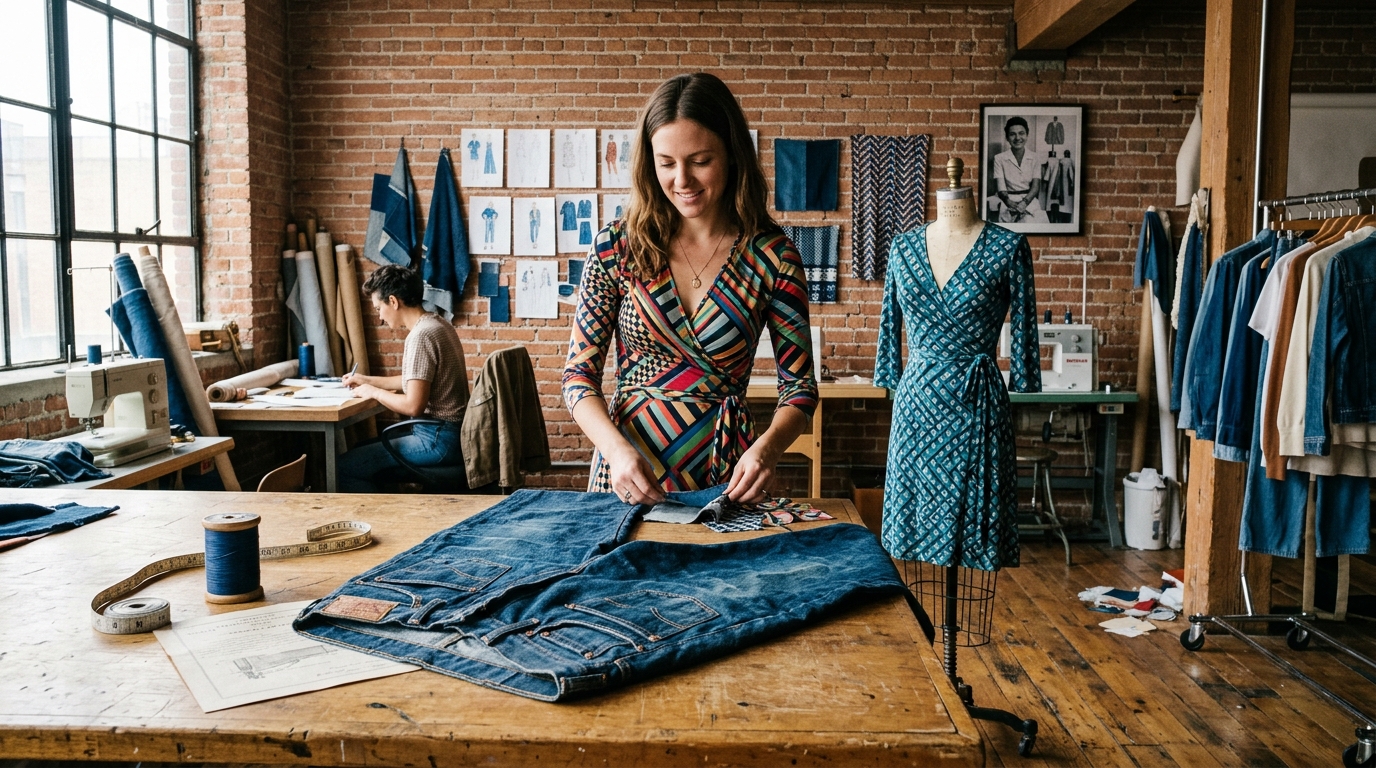
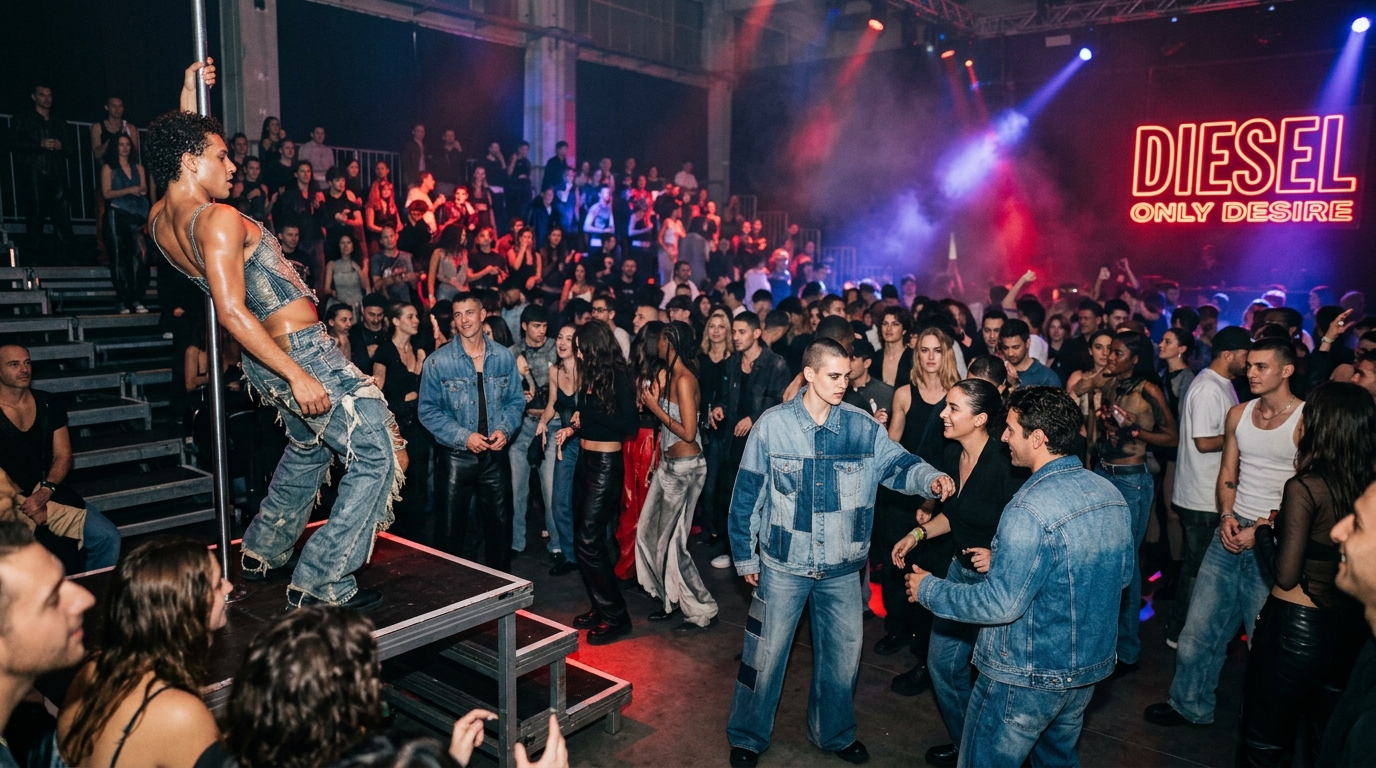
The story of denim is even more central to this narrative. Levi Strauss and Jacob Davis patented the Levi’s 501 in 1873. Originally conceived as durable pants for laborers, these copper-riveted jeans reshaped modern casual wear. The raw indigo denim fades uniquely to the wearer. It is a brilliant collision of mass production and individual expression. Presidents and pop icons wear them with identical cultural authority.
Sportswear was born here. Claire McCardell championed the capsule wardrobe long before it was trendy.
She understood that modern women required mobility. The fluid jersey wrap dress unveiled by Diane von Fürstenberg in 1973 continued this exact legacy. It offered independence wrapped in vibrant prints. The silhouette commanded the decade and remains a foundational staple in professional settings.
True American style relies heavily on distinct, recognizable accessories.
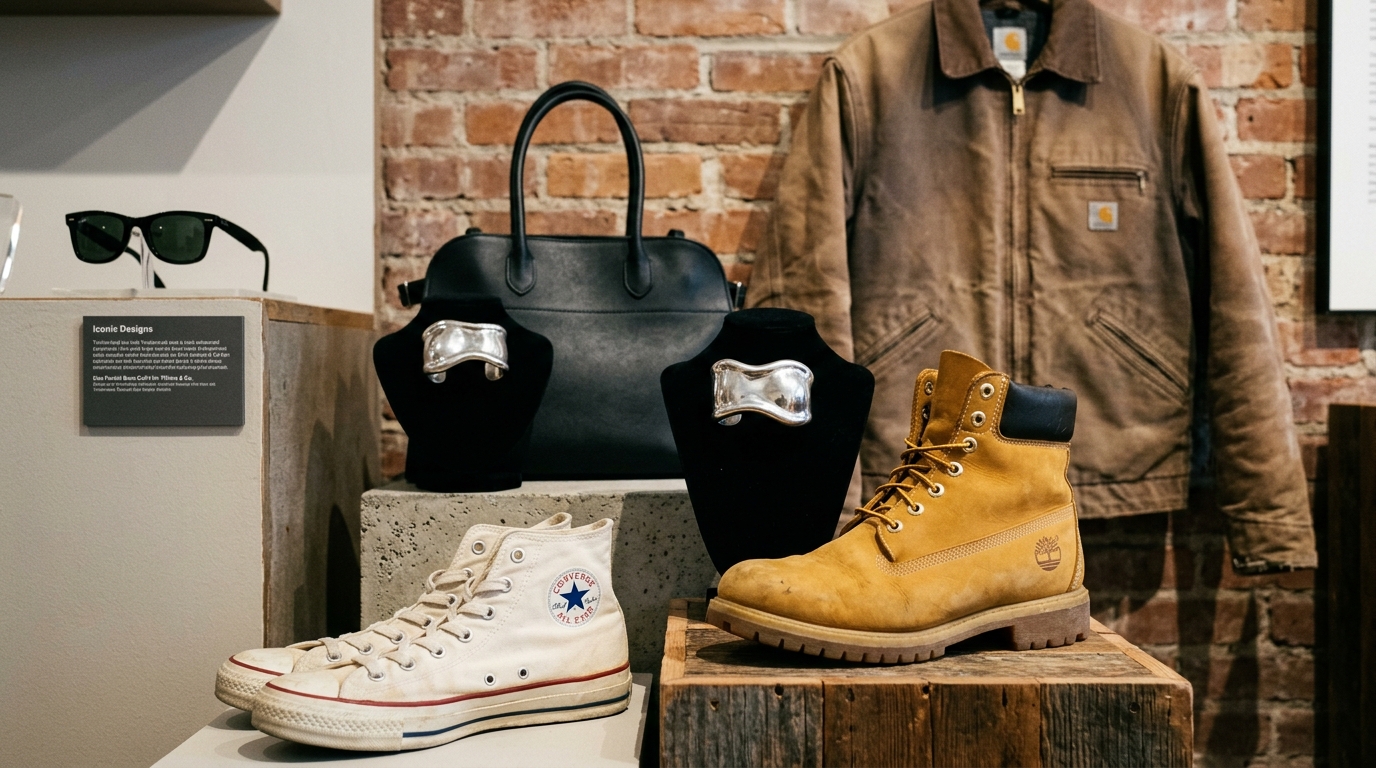
Elsa Peretti designed her iconic Bone Cuff for Tiffany and Company in 1970. The fluid, sculptural metal completely reimagined how jewelry interacts with the human wrist. Decades later, The Row introduced the Margaux shopper in 2018. This leather tote operates as the American equivalent of the Birkin. It relies on severe restraint and impeccable craftsmanship rather than loud logos.
Outerwear carries the same historical weight. Carhartt introduced the Detroit jacket in 1954. Its front zipper and heavy canvas shell proved indestructible.
It transitioned seamlessly from factories to city sidewalks.
Footwear innovation played a crucial role in domestic market expansion. Bausch and Lomb revolutionized eyewear with plastic frames in 1952 through the Ray-Ban Wayfarer. On the ground, the Converse Chuck Taylor found its footing. The Olympic white colorway debuted for the American basketball team in 1936. Its patriotic red and blue accents cemented its status as an enduring icon of sportswear. Timberland followed in 1973.
Nathan Swartz built those waterproof six-inch leather boots for harsh New England winters. Urban style tribes adopted them immediately. The yellow nubuck leather provides incredible durability. They are a triumph of pragmatic design.
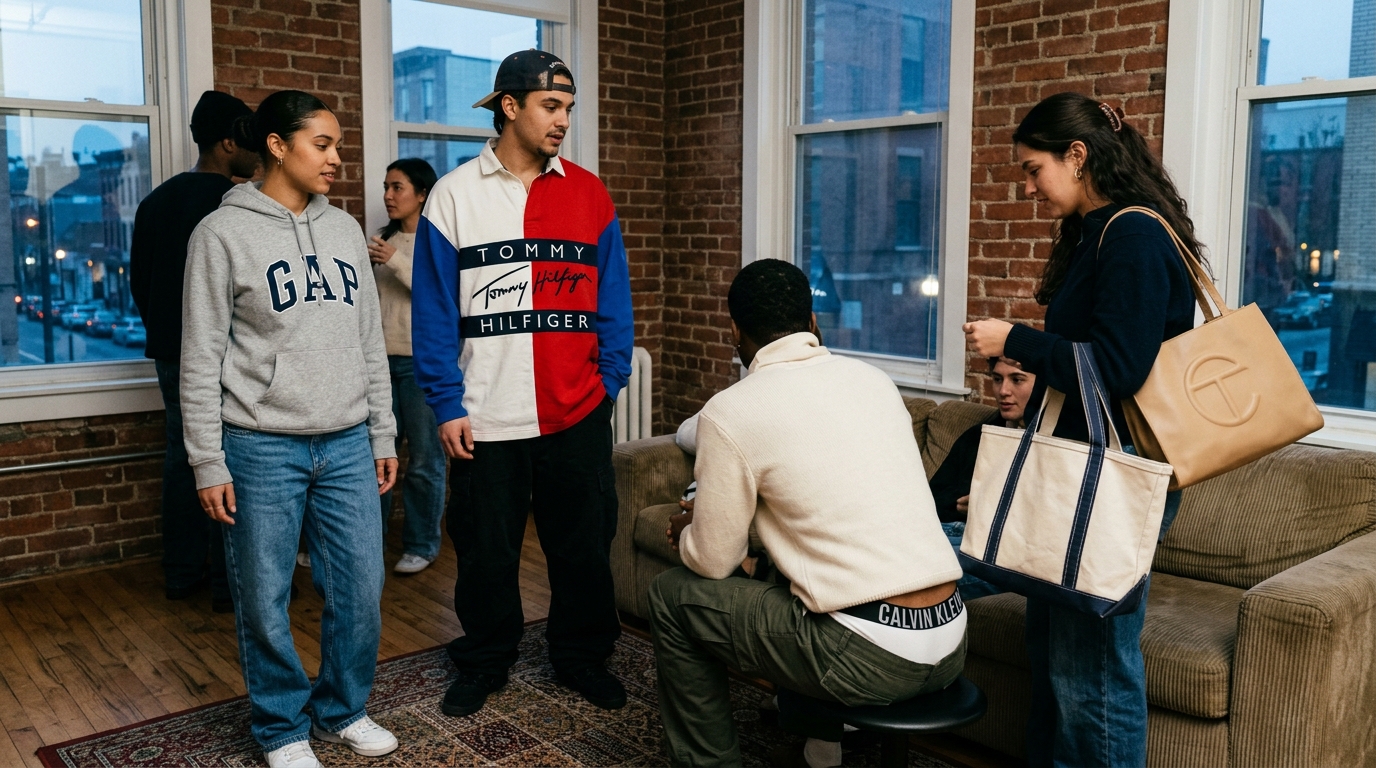
The nineties brought an aggressive wave of logomania. Calvin Klein transformed simple white underwear in 1982.
Adding a contrasting logo along the waistband turned a hidden necessity into a provocative statement. Gap released their signature logo sweatshirt in 1995. It captured the laid-back mood of the era perfectly. Tommy Hilfiger dominated the hip-hop scene with his graphic flag logo. These brands utilized mass appeal to build empires that transcended their initial scope.
We must also acknowledge the lasting impact of New England prep. The heavy-duty cotton yarn of the J.Crew Rollneck sweater debuted in 1988. It delivered both structure and incredible ease.
This relaxed cotton silhouette was brilliantly reissued in 2025.
L.L.Bean created the Boat and Tote canvas bag in 1944. Originally designed to carry heavy ice, it survived near extinction to return in 1965. The rugged canvas withstands decades of abuse. Telfar Clemens echoed this democratic spirit in 2014. His minimalist Shopping Bag became a modern phenomenon. It proves that accessible, brilliant design will always command a ferocious and loyal consumer base.
American fashion is essentially a grand equalizer. A great piece of clothing is viewed as a fundamental human right.
We see this enduring legacy in technical apparel as well. Patagonia founder Yvon Chouinard developed the Synchilla Snap-T in 1985. He needed functional outerwear for serious outdoor enthusiasts. The resulting technical fleece birthed an entirely new category of performance wear. It blended sustainable production methods with vivid color-blocking. This jacket solidified the bond between utility and style.
Classic design never fades. The true American wardrobe is built entirely on purpose.
These twenty-five essentials prove that luxury is not just about exclusivity. It is about exceptional design made available to the modern public.
Frequently Asked Questions
What makes Levi's 501 jeans a historical staple?
Levi Strauss and Jacob Davis patented the 501 in 1873 as durable workwear pants. The copper-riveted design offered unparalleled longevity for laborers. These jeans eventually evolved into a universal fashion icon worn by global celebrities.
When did the Brooks Brothers button-down shirt debut?
Brooks Brothers introduced the button-down collar shirt in 1896. It was initially inspired by the uniforms of English polo players. The crisp cotton design remains a timeless foundation of accessible tailoring today.
Why is the L.L.Bean Boat and Tote bag so popular?
L.L.Bean created the heavy-duty canvas bag in 1944 to carry ice. Its rugged construction and minimalist design make it incredibly durable. The tote experienced a massive revival in 1965 and became a staple of New England style.
What is the significance of the DVF wrap dress?
Diane von Fürstenberg released the fluid jersey wrap dress in 1973. It offered women a new level of independence through ease of movement and comfort. The silhouette fundamentally reshaped professional and casual womenswear during the decade.
How did Calvin Klein change the underwear market?
The brand revolutionized the market in 1982 by adding a contrasting logo to the waistband of standard white underwear. This bold branding transformed a hidden necessity into a visible status symbol. It helped launch the minimalist era of the 1990s.
What defines American sportswear in fashion?
Designer Claire McCardell defined American sportswear as casual, functional clothing uninfluenced by Parisian haute couture. It focuses on mobility, comfort, and mass production. Modern interpretations include denim, t-shirts, and athleisure wear.
Related
Articles
Readers always have access to latest trends and perspectives.








Comments: