


14 Make-Ahead High-Protein Meals to Simplify Your Week: The Architecture of Sustenance


The modern weekly schedule demands a culinary strategy that borders on the militaristic. The 14 make-ahead high-protein meals we are examining today offer a blueprint for survival. Relying on sheer willpower at seven in the evening is a recipe for disaster. They replace the chaos of weeknight cooking with calculated precision. You are left with elegant and efficient fuel.
Protein remains the undisputed cornerstone of this dietary framework. It anchors the appetite and maintains essential muscle mass.
Katherine Brooking is a registered dietitian based in New York. She notes that high-protein diets aim to build muscle mass while decreasing body fat. This approach requires careful execution. The goal is to maximize muscle growth without relying on heavily processed supplements. Lean meats and legumes provide the foundation. Fresh vegetables contribute vital antioxidants and hydration.
The aesthetic of preparation is quietly satisfying.
Our dietary experts suggest a highly specific macronutrient ratio. You should aim for thirty-five percent carbohydrates. Fat should occupy thirty percent of the plate. Protein takes the final thirty-five percent of your total meal profile.
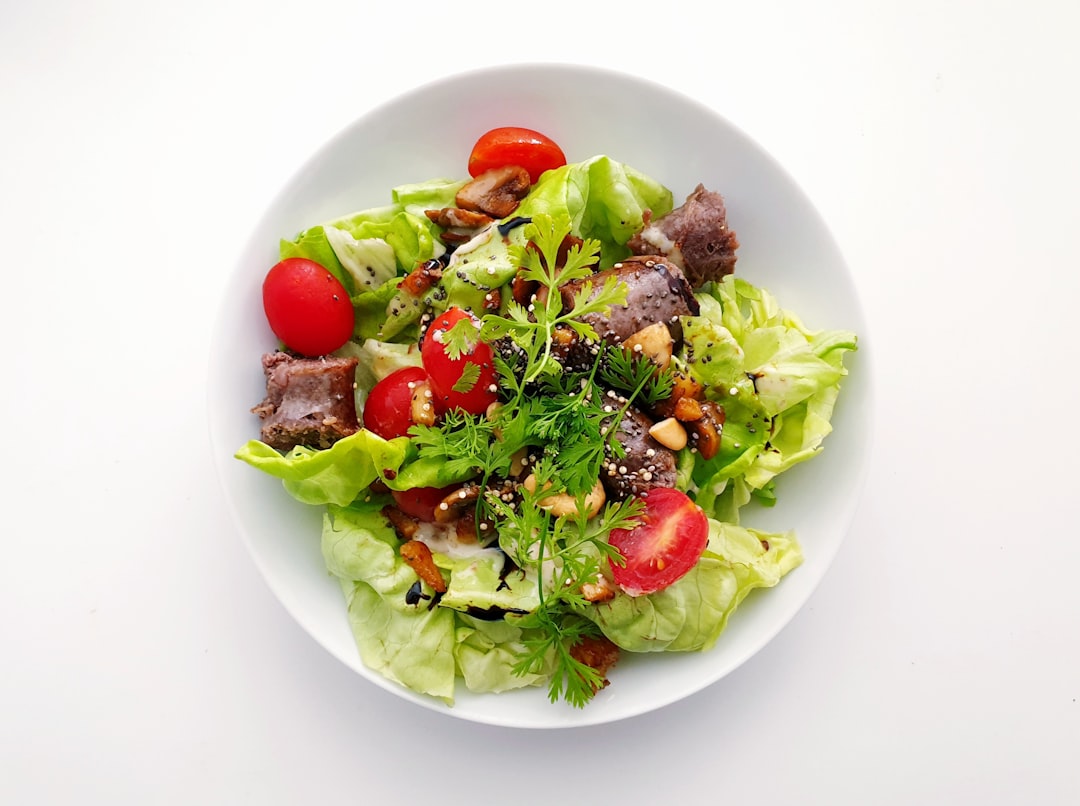
Consider the spinach salad with crispy lentils and aged gouda. This plant-based arrangement delivers nearly twenty grams of protein per serving. It proves that vegetarian options can anchor a demanding nutritional schedule. The aged gouda provides a sharp and complex flavor profile. The crispy lentils offer a necessary textural contrast to the soft and yielding spinach leaves.
Marine proteins offer incredible versatility for preparation. Cod fillets simmered in a homemade cilantro salsa verde remain tender.
Arctic char presents another sophisticated option for the working week. The flaky pink fish shares a nutritional profile with salmon. It provides beneficial omega-3 fatty acids and vitamin D. Pairing it with a golden beet slaw and walnuts elevates the dish beyond standard meal prep fare. The dish contains thirty-five grams of protein and a mere fourteen grams of carbohydrates.
Sauces introduce flavor without excess baggage.
A green pumpkin seed salsa transforms sautéed trout into a remarkable dinner. Pumpkin seeds are pulsed with tomatillos and lime juice. This addition perfectly complements the forty-six grams of protein found in the fish.

The global pantry offers immense inspiration for restorative meals. The Greek yoghurt chicken tikka bowl relies on whole food ingredients. Marinated chicken cooks rapidly while the yoghurt keeps the meat exceptionally tender. This combination supports muscle recovery without the artificial undertones of commercial protein powders. It is a vibrant and highly functional dinner choice.
A paneer and rajma power bowl merges dairy protein with kidney beans. This delivers sustained energy through complex carbohydrates.
Breakfast concepts easily transition into evening meals. Soft scrambled eggs over sweet potatoes receive a creamy boost from whisked cottage cheese. Alternatively, a fifteen-minute frittata packed with vegetables works beautifully for advanced preparation. It yields twenty-three grams of protein per slice. The structural integrity of a frittata makes it ideal for glass storage containers.
Simplicity is the ultimate sophistication here.
Nori sheets filled with brown rice and seasoned canned salmon create an effortless lunch. This compact meal delivers twenty-one grams of protein. It serves as a minimalist approach to handling midday nutritional demands.
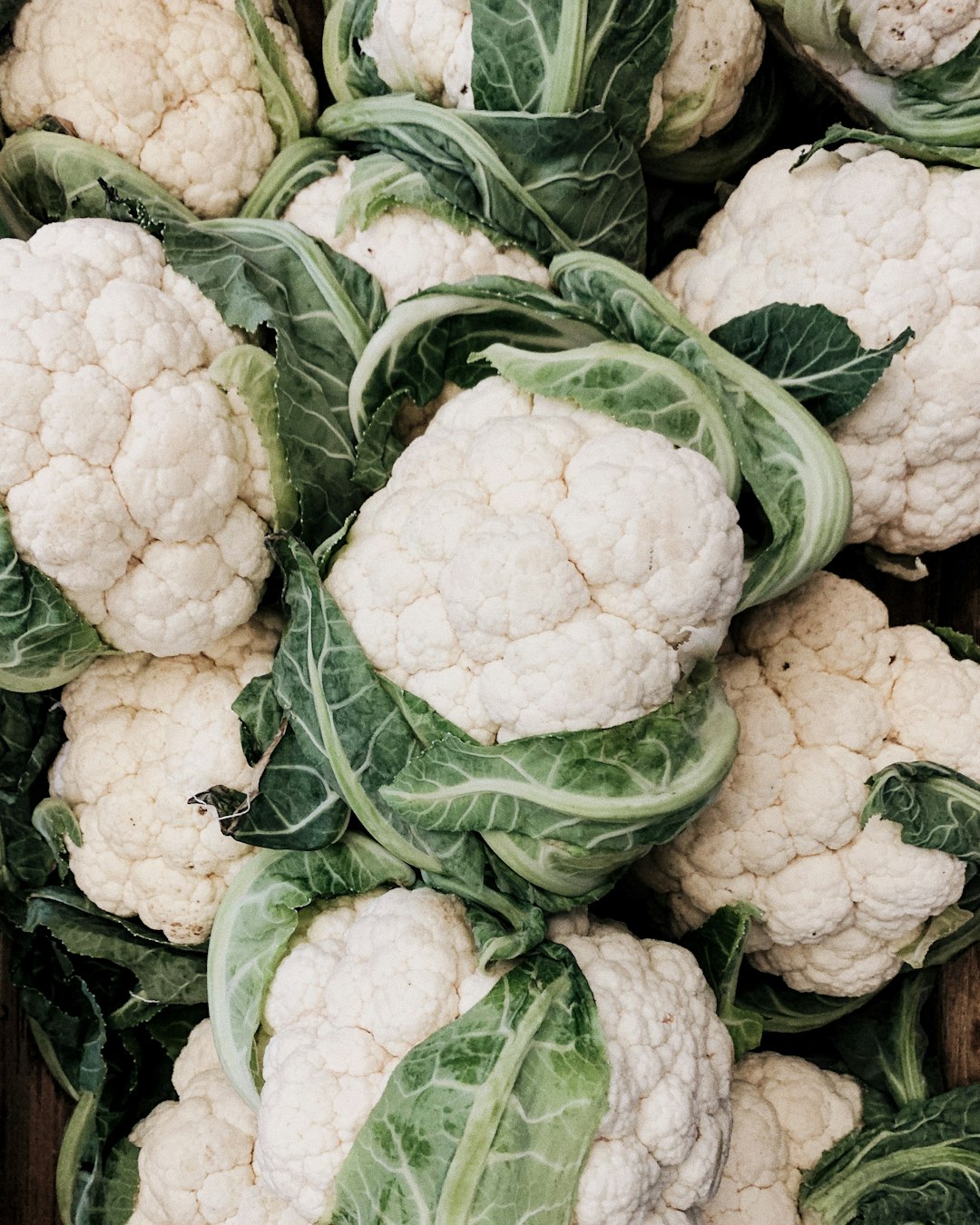
Poultry remains a steadfast ally in the high-protein repertoire. Chicken paired with fried cauliflower rice incorporates peas and scallions for visual interest. This combination yields thirty-four grams of protein and only eighteen grams of carbohydrates. Another excellent option is grilled chicken accompanied by a coconut lime slaw. The citrus cuts through the richness beautifully.
For those avoiding meat entirely, the soya chunk and paneer scramble is brilliant. It utilizes simple Indian spices for deep flavor.
We must also acknowledge the elegance of a well-constructed seafood stew. Mussels steamed with white wine and vibrant tomatoes require very little active cooking time. Fresh basil and parsley bring the broth to life. This dish provides twenty-five grams of protein and pairs perfectly with a small slice of crusty bread. It proves that practical meals do not need to feel utilitarian or bleak.
Preparation grants you the luxury of time.
Investing hours on a Sunday translates to seamless evenings. The architecture of a balanced diet relies on these whole food pillars. You bypass the sluggishness of heavy carbohydrates and secure your nutritional goals.
Frequently Asked Questions
How much protein should I aim for per meal?
Experts recommend targeting between 25 and 30 grams of protein per meal. This specific amount helps maximize muscle growth and repair throughout the day.
Can high-protein meals also be low in carbohydrates?
Yes. Foods naturally high in protein like eggs, fish, and meat contain minimal carbohydrates. Pairing these proteins with non-starchy vegetables creates a balanced low-carb meal.
Are plant-based meals effective for high-protein diets?
Plant-based meals are highly effective when constructed correctly. Ingredients like lentils, edamame, and paneer offer substantial protein without relying on animal meat.
What is the ideal macronutrient ratio for these meals?
Dietitians suggest a foundational ratio for balanced energy. The breakdown is typically 35 percent carbohydrates, 30 percent fat, and 35 percent protein.
Why choose whole foods over protein supplements post-workout?
Whole foods provide essential amino acids alongside complex carbohydrates and healthy fats. They also deliver natural vitamins and minerals that processed powders lack.
Related
Articles
Readers always have access to latest trends and perspectives.








Comments: