

13 Vitamin-B12 Foods to Support Energy and Brain Health: The Architecture of Cellular Vitality


True luxury begins at the cellular level. When evaluating the 13 Vitamin-B12 Foods to Support Energy and Brain Health, we are essentially looking at the building blocks of human mechanics. The modern diet often prioritizes aesthetics over utility. This essential water-soluble nutrient demands our absolute and undivided attention.
It silently dictates nerve function and blood cell formation.
Samantha Dieras of Mount Sinai Hospital notes its vital role in metabolism and DNA production. The nutrient acts as the unseen architect of our daily energy reserves. It regulates our emotions and aids in producing serotonin.
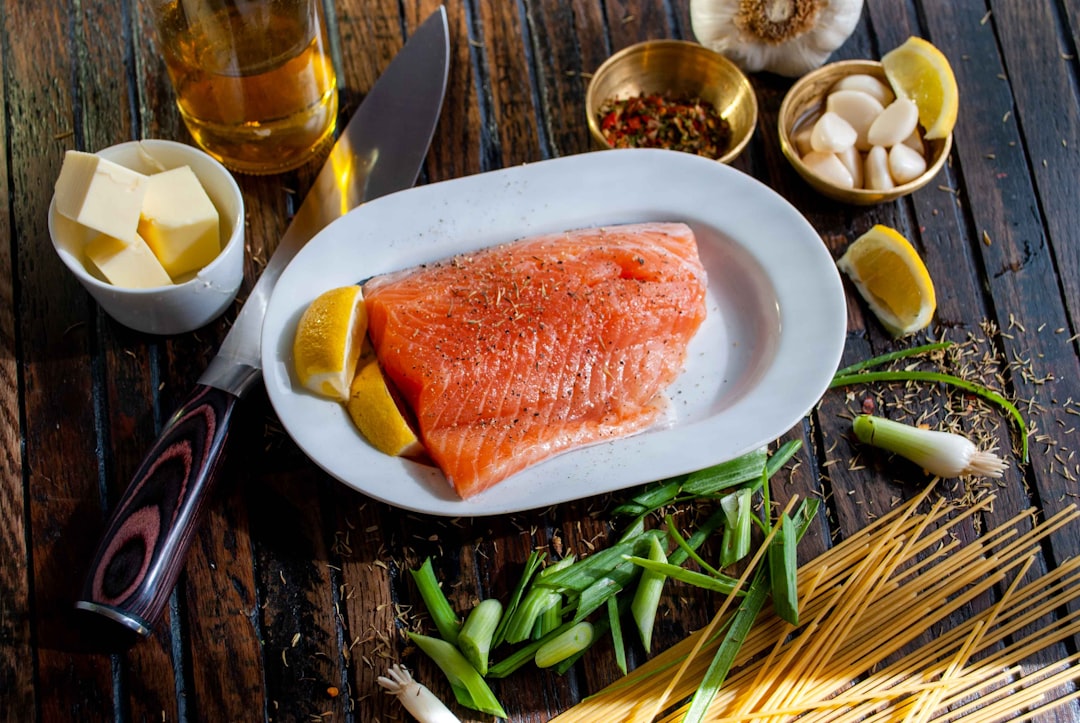
Amy Shapiro of Real Nutrition highlights a unique physical property. Vitamin B12 is remarkably heat stable compared to other water-soluble vitamins like vitamin C. You retain the core nutritional value whether you lightly sear your salmon or bake a fillet of trout. Culinary preparation does not destroy its structural integrity.
The ocean offers a profound and highly concentrated harvest.
Bivalves command the highest respect in this category. Dietitian Lauren Manaker praises clams for their staggering nutritional density. A modest three ounces yields 17 micrograms of the nutrient. They pair this payload with iron to amplify red blood cell production. Salmon and trout follow closely behind in marine hierarchy.
A standard trout fillet delivers 4.6 micrograms. Salmon provides 2.6 micrograms alongside crucial omega-3 fatty acids. This specific combination actively fortifies both cognitive function and cardiovascular health.
Tinned fish has reclaimed its rightful place in the modern pantry.
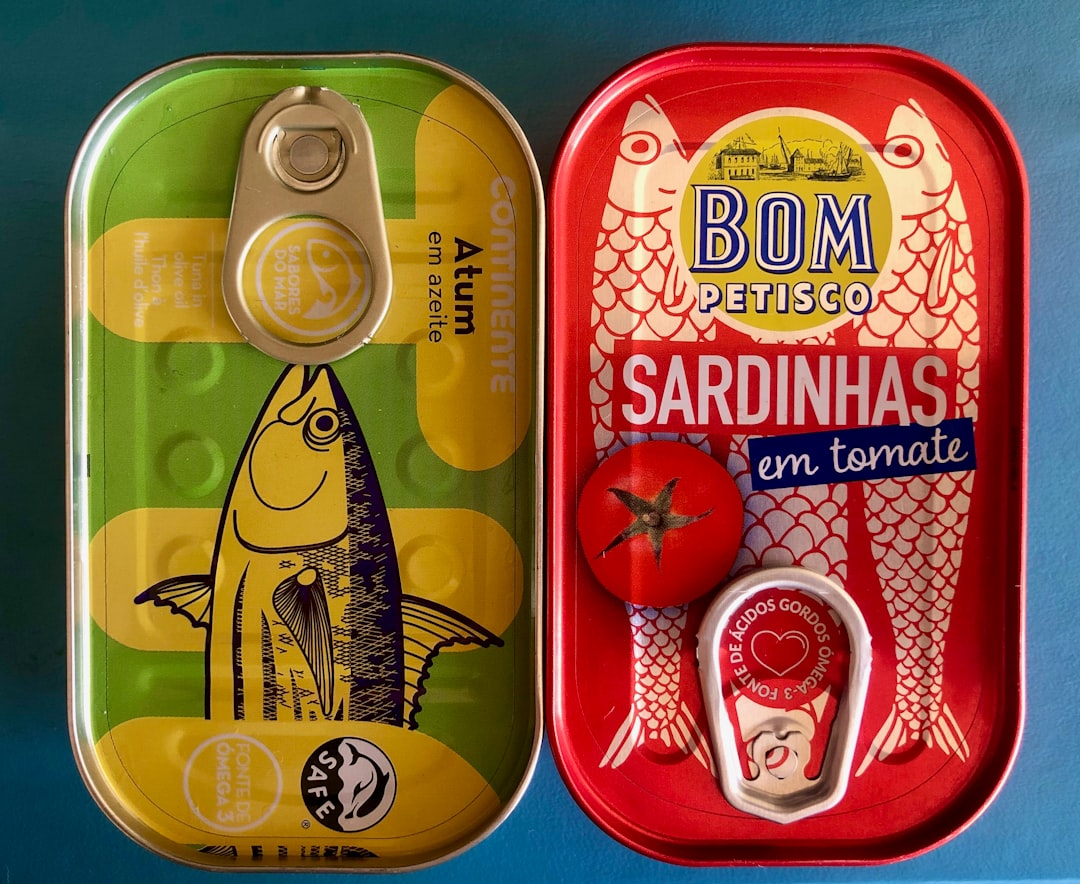
Sardines deliver a potent 8.22 micrograms per tin. They bring calcium and omega-3 fatty acids into the equation. Tuna remains a reliable and accessible staple for daily consumption. Three ounces of tuna contains 2.5 micrograms of the nutrient. It serves as a highly efficient protein delivery mechanism for active lifestyles.
Animal proteins provide a robust foundation for physical endurance.
Liver stands as an absolute powerhouse in the realm of organ meats. A single serving of beef or chicken liver contains a staggering 70.7 micrograms. That equates to nearly three thousand percent of the daily recommended value. Lean beef provides a more modest 2.4 micrograms per three ounces to boost red blood cell health.

Poultry causes only minor vitamin losses when grilled or sautéed. Chicken and turkey yield between 0.3 and 0.5 micrograms per serving. They remain a versatile canvas for everyday culinary exploration.
Dairy and eggs offer effortless integration into morning routines.
One large egg provides half a microgram of this essential nutrient. A cup of two percent milk offers 1.3 micrograms while hydrating and repairing muscle tissue. Plain fat-free yogurt contributes a clean microgram per six ounces. These elements build and maintain strong bones while simultaneously boosting baseline metabolic rates.
Plant-based diets require strategic planning to avoid deficiency. Nutritional yeast delivers a savory and complex cheeselike flavor profile. A quarter cup packs anywhere from 8.3 to 24 micrograms.
Nori provides another vital avenue for vegans and vegetarians.
The dried edible seaweed contains a variable but significant 54 to 58 micrograms. It also delivers beneficial fiber and vitamin K. The daily requirement remains surprisingly low despite its crucial biological function. Dieras recommends aiming for a baseline of 2.4 to 2.8 micrograms daily for the average healthy adult.

Pregnant women should target exactly 2.6 micrograms. Breastfeeding individuals require a slight increase to 2.8 micrograms to maintain internal balance. The body utilizes what it needs and efficiently flushes the rest.
Deficiency manifests through subtle and overlapping physical symptoms.
Fatigue and weakness often appear first. A slight yellow tinge to the skin or tingling in the extremities warrants immediate medical attention. Brain fog and a rapid heartbeat signal a system struggling to maintain basic operations. Blood tests remain the only definitive diagnostic tool to confirm these underlying issues.
Supplementation offers a safe alternative for those with absorption issues like pernicious anemia. High doses may occasionally trigger mild nausea or interact with medications like metformin.
True wellness requires a deliberate and educated approach to eating.
Frequently Asked Questions
Can you get enough Vitamin B12 from a plant-based diet?
Vegans and vegetarians must rely on fortified foods or specific sources like nutritional yeast and nori. It is entirely possible to meet daily requirements through these ingredients. A supplement remains the most reliable safeguard against deficiency.
Does cooking destroy Vitamin B12 in food?
Vitamin B12 is highly heat stable compared to other water-soluble vitamins. Standard cooking methods like baking or sautéing cause only minimal nutrient loss. You retain the vast majority of its benefits.
Why do older adults struggle with Vitamin B12 absorption?
Aging naturally decreases the production of stomach acid required to separate the vitamin from dietary protein. This physical change makes it harder for the body to absorb the nutrient from whole foods. Supplements or fortified options often become necessary.
What are the earliest signs of a Vitamin B12 deficiency?
The most common initial symptoms include persistent fatigue and unexplained weakness. Individuals may also notice brain fog or slight tingling in their hands and feet. These subtle indicators require a blood test for proper medical confirmation.
How much Vitamin B12 is too much?
There is no established upper limit for this specific nutrient. The body is highly efficient at flushing out excess water-soluble vitamins through urine. Extremely high doses in supplement form may occasionally cause mild nausea or headaches.
Can Vitamin B12 improve mental health and mood?
This nutrient plays a direct role in regulating the nervous system and producing serotonin. Adequate levels help stabilize mood and support overall cognitive function. It is not a cure for clinical depression but acts as a foundational element for brain health.
Is tinned fish as nutritious as fresh fish for Vitamin B12?
Tinned fish retains exceptional nutritional value and often concentrates the benefits. Sardines and tinned tuna offer potent doses of the vitamin alongside calcium and omega-3s. The canning process does not degrade the core structural integrity of the nutrient.





Comments: