

11 Dietitian-Recommended Tips for Eating Healthy on a Tight Budget: The Craft of Conscious Consumption


Food inflation is a modern reality that demands strategic thinking rather than despair. Fortunately, utilizing 11 dietitian-recommended tips for eating healthy on a tight budget makes the intersection of wellness and economics highly manageable. Culinary experts suggest that eating well without overspending is achievable. It simply requires a shift in perspective and disciplined planning.
You do not need to rely on trendy superfoods. Real nourishment stems from mastering the basics and respecting the raw ingredients.
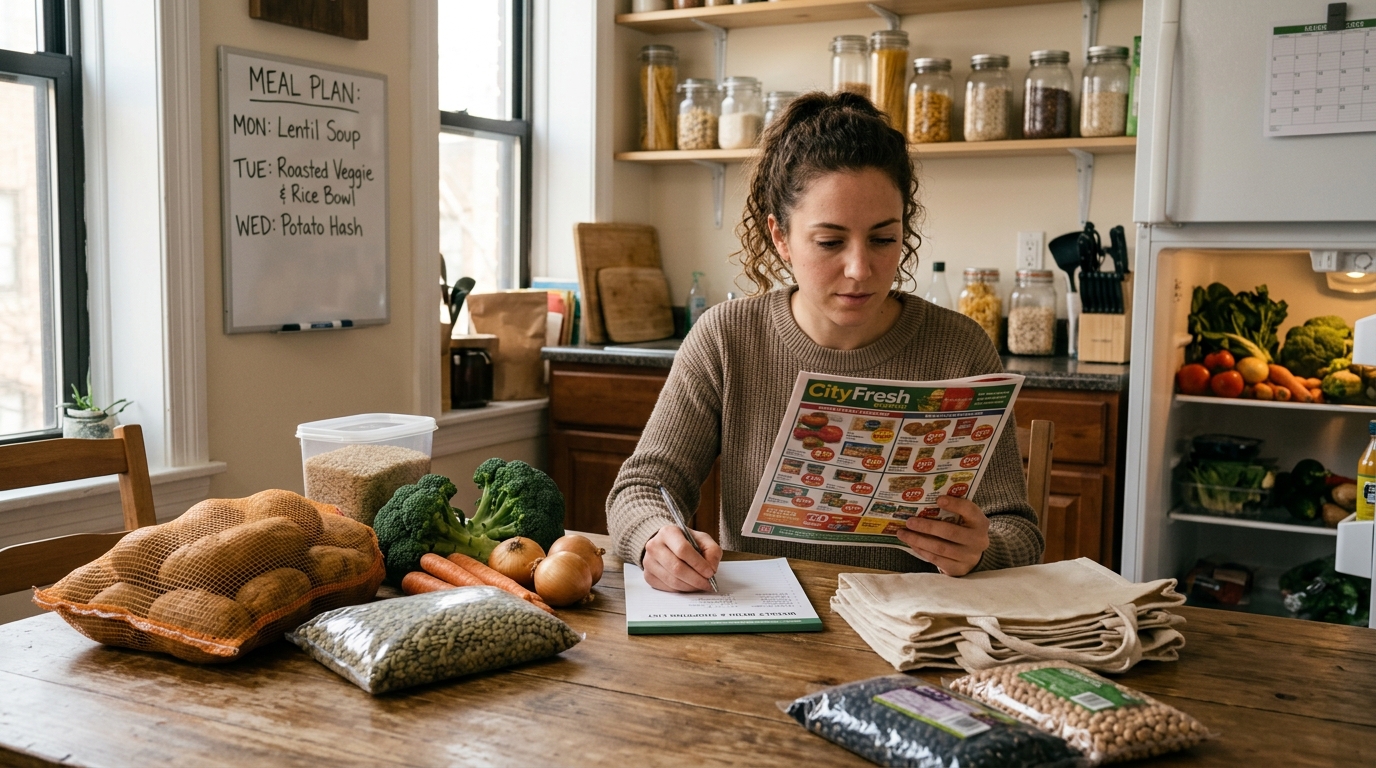
The first crucial step is to plan the week's menu with intention. Shopping with a deliberate list neutralizes the temptation of impulse purchases. By selecting recipes with overlapping ingredients, you build a cohesive culinary strategy. Experts recommend taking a few quiet moments before heading to the store to consult weekly circulars. This aligns your diet with active market discounts.
Never go grocery shopping on an empty stomach. It is a trap.
Embracing fundamental staples is another foundational tactic. Potatoes, legumes, and seasonal vegetables provide immense nutritional value at minimal cost. These humble ingredients have sustained generations of busy families.
Consider the historical and spiritual reverence for sustenance. A recent publication highlights this beautifully by referencing Genesis 1:29 and Psalm 23:20-21. Budgeted eating underscores a Catholic commitment to living simply. It encourages deep gratitude for every meal while freeing up resources to assist the hungry elsewhere. This mindful approach elevates the daily dining routine.
We must also rethink how we purchase proteins. Buying a whole chicken or a larger steak is a masterful economic move.
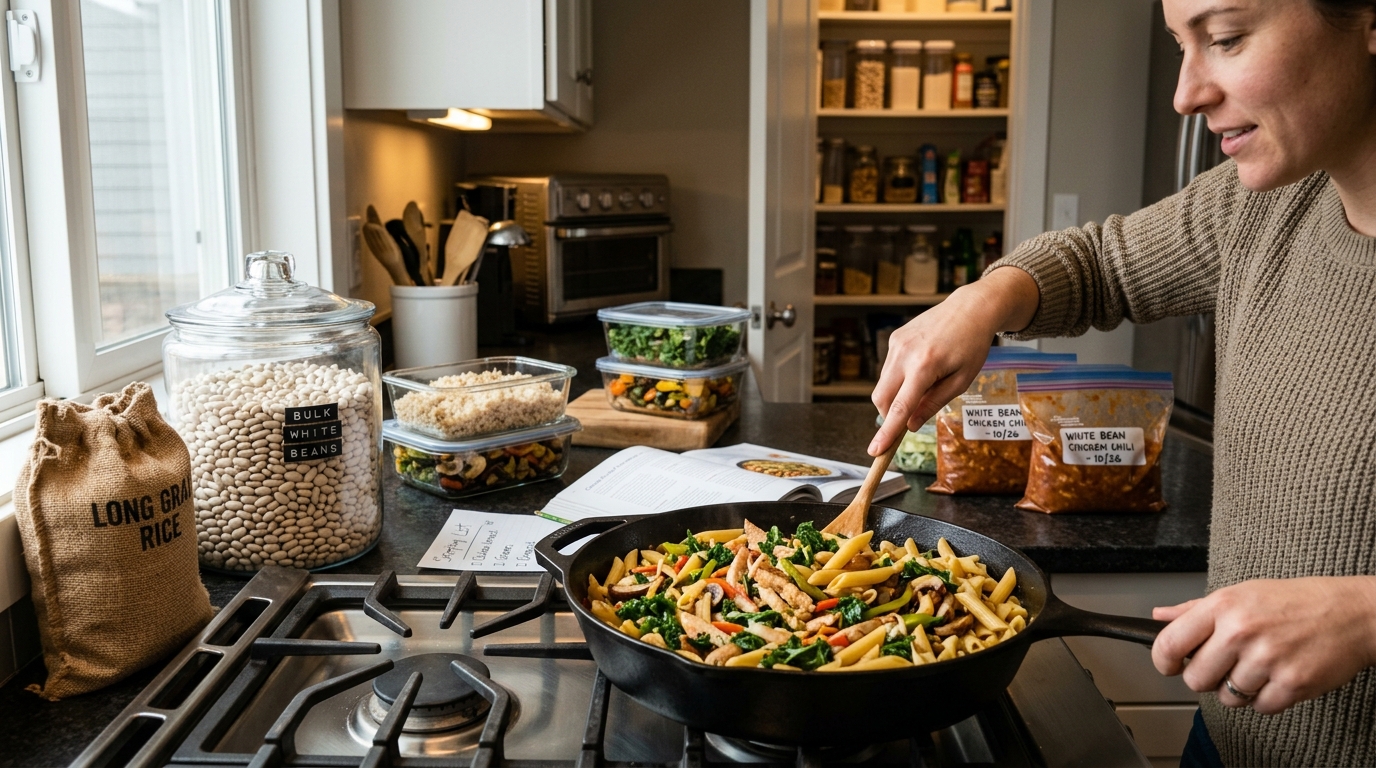
Instead of serving large portions of meat, use smaller pieces to enhance other dishes. Stir slices into cooked pasta or fry them alongside seasonal greens. This method stretches the protein across multiple days. It also allows the rich, savory flavors to deeply infuse the accompanying grains and vegetables.
Bulk buying dry goods like rice and beans changes the math.
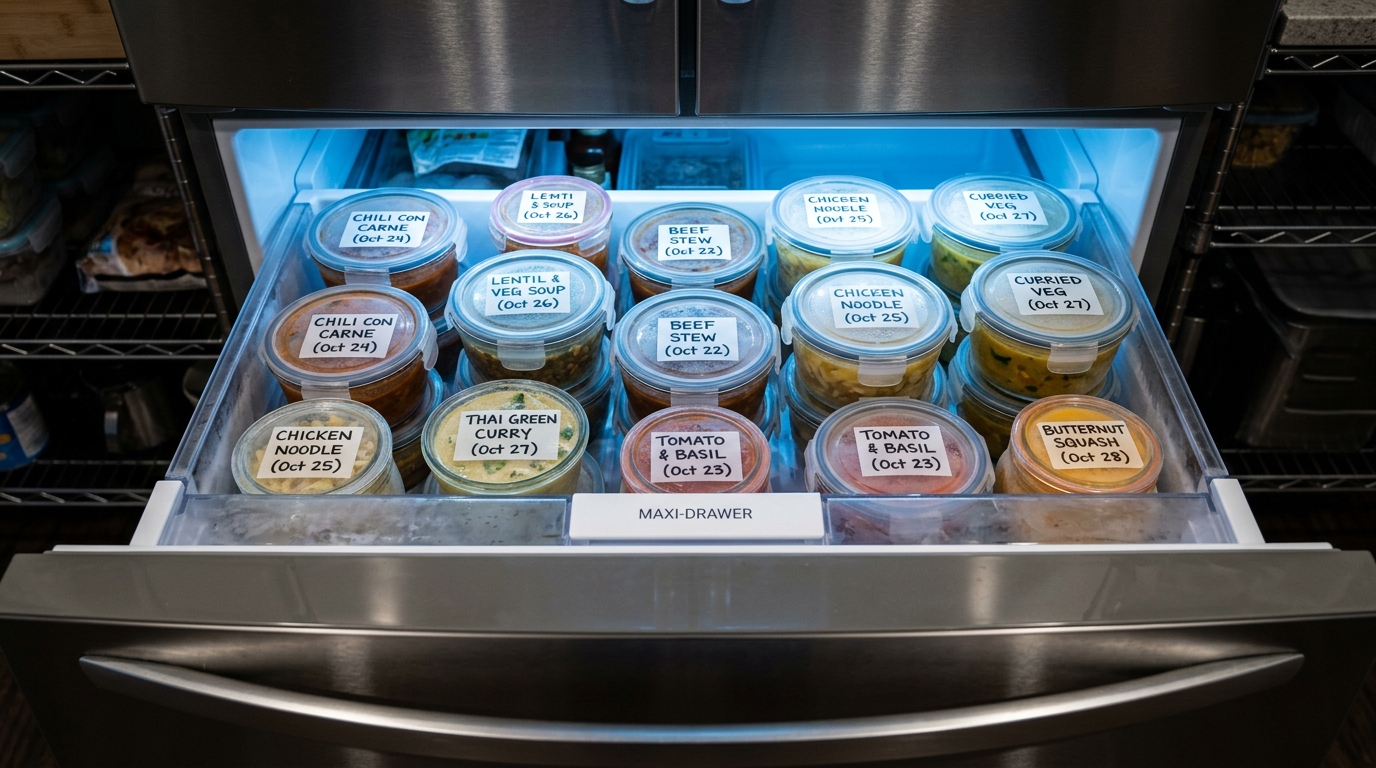
Turn your attention to the freezer and the pantry. Making large batches of hearty meals like white bean chicken chili or vegetable soup saves both time and money. Freezing the leftovers ensures you always have a healthy option available. This simple act prevents reliance on expensive takeout during exhausting work weeks. You will spend far less time in the kitchen overall.
Do not ignore the store brand. Generic labels for canned vegetables, ketchup, and baked goods often match their premium counterparts in quality. Switching to these options can easily reduce your total bill by thirty percent.
Coupons remain a highly effective tool. Over a billion digital and printed discounts are available to shoppers right now.
Integrating these savings into a planned shopping list requires minimal effort. A quick search through newspaper inserts or online apps yields substantial financial relief. Dietitians also advise checking the unit price of items to ensure maximum value per ounce. This mathematical approach guarantees you are truly getting the best deal. Combine this with shopping completely alone.
Always shop your own kitchen first. Hidden treasures often wait.
Utilizing canned and frozen produce is another dietitian favorite. These items are picked at peak ripeness and flash-frozen to lock in nutrients. They are vastly cheaper than fresh out-of-season berries or greens and last for months in cold storage.
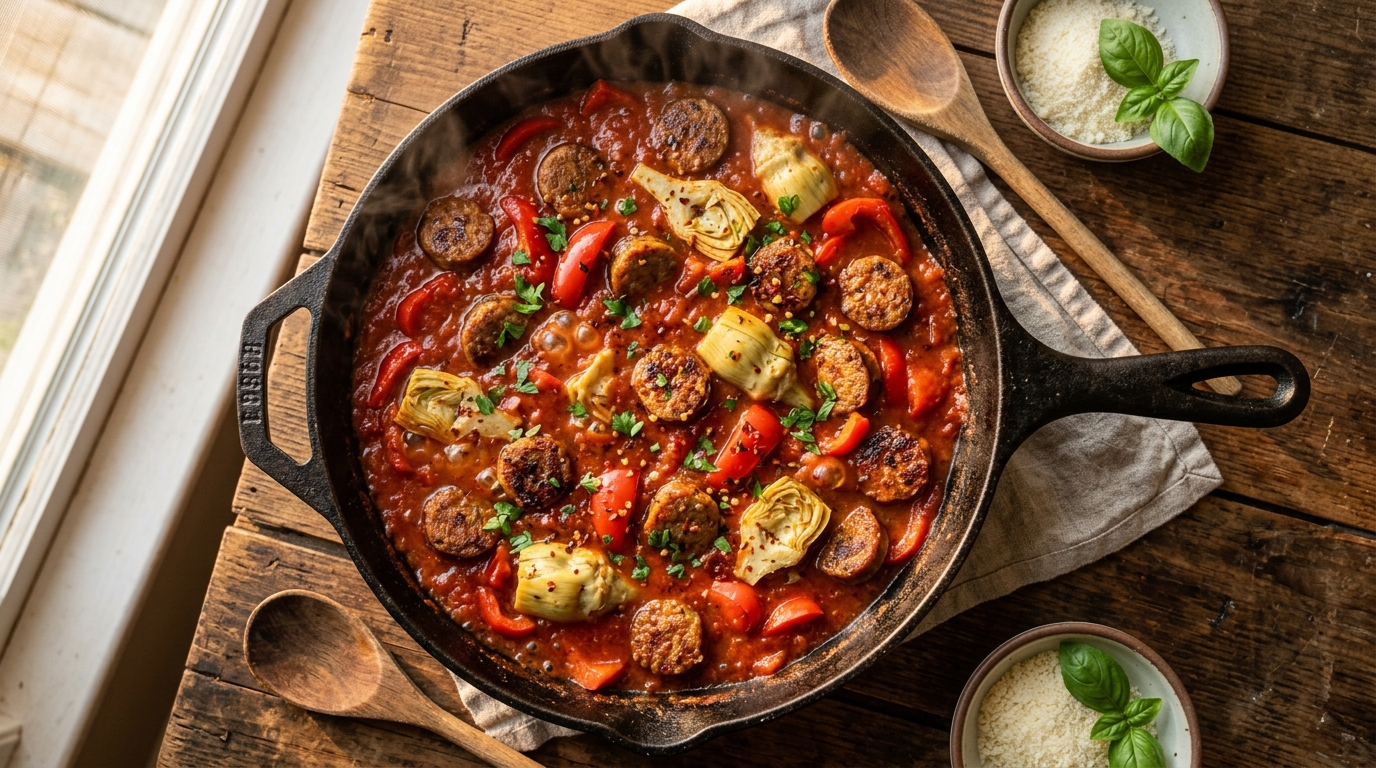
We can look to classic literature for practical inspiration. Alexandra Greeley brilliantly demonstrates this in Cooking with the Saints from Sophia Institute Press. Her budget-friendly main course pairs precooked polenta with exactly two tablespoons of chopped oil-packed sun-dried tomatoes. She adds artichoke hearts, diced onion, diced red bell pepper, garlic, and browned sausage slices.
The hearty mixture is stirred into marinara sauce. It cooks quickly in a large skillet over medium heat.
To serve this masterpiece, you arrange a polenta slice on each plate and spoon the artichoke mixture over the top. Garnish with shredded mozzarella and serve it hot. This specific recipe proves that eating economically does not require sacrificing pleasure. The soft polenta and robust sausage create a sophisticated profile. It is rustic, satisfying, and smart.
As a reader named Guy from Texas recently noted, good food is undeniably medicine.
Learning to appreciate the seasons is an often overlooked element of financial health. Organizations running events like The Little Vatican Summer 2026 Fundraising Campaign frequently highlight community gardens for this reason. Buying strawberries in December will always carry a premium. If you align your palate with the agricultural calendar, you naturally pay less for produce.
Drink water instead of purchasing expensive sugary beverages. It hydrates the body perfectly.
True wellness does not demand a staggering budget. It requires resourcefulness, a willingness to cook at home, and a sharp eye for value. By implementing these expert strategies, you protect both your physical health and your financial stability.
Frequently Asked Questions
Is it actually possible to eat healthy on a tight budget?
Yes. It requires planning your meals in advance and prioritizing whole food staples over highly processed items. Utilizing seasonal produce and bulk dry goods significantly lowers your overall food costs.
Do store brands offer the same nutritional value as name brands?
Absolutely. Store brands typically use the exact same ingredients and manufacturing processes as premium labels. Choosing generic canned goods or grains can drastically reduce your grocery bill without sacrificing quality.
How can I make my meat purchases last longer?
Purchase whole cuts of meat or whole chickens instead of pre-portioned fillets. Use smaller slices of meat to flavor vegetable or pasta dishes rather than serving it as the main course. This stretches the protein across multiple meals.
Are frozen vegetables healthy?
Frozen vegetables are exceptionally healthy. They are harvested at peak ripeness and immediately flash-frozen to preserve their nutrient profile. They are often more cost-effective than fresh out-of-season produce.
What is the best way to avoid impulse grocery purchases?
Always shop with a meticulously planned list. Never enter a grocery store on an empty stomach. Shopping alone also helps eliminate unexpected items from ending up in your cart.
Related
Articles
Readers always have access to latest trends and perspectives.







Comments: